

- Published
Why Is Defibrillation Important? How It Saves Lives
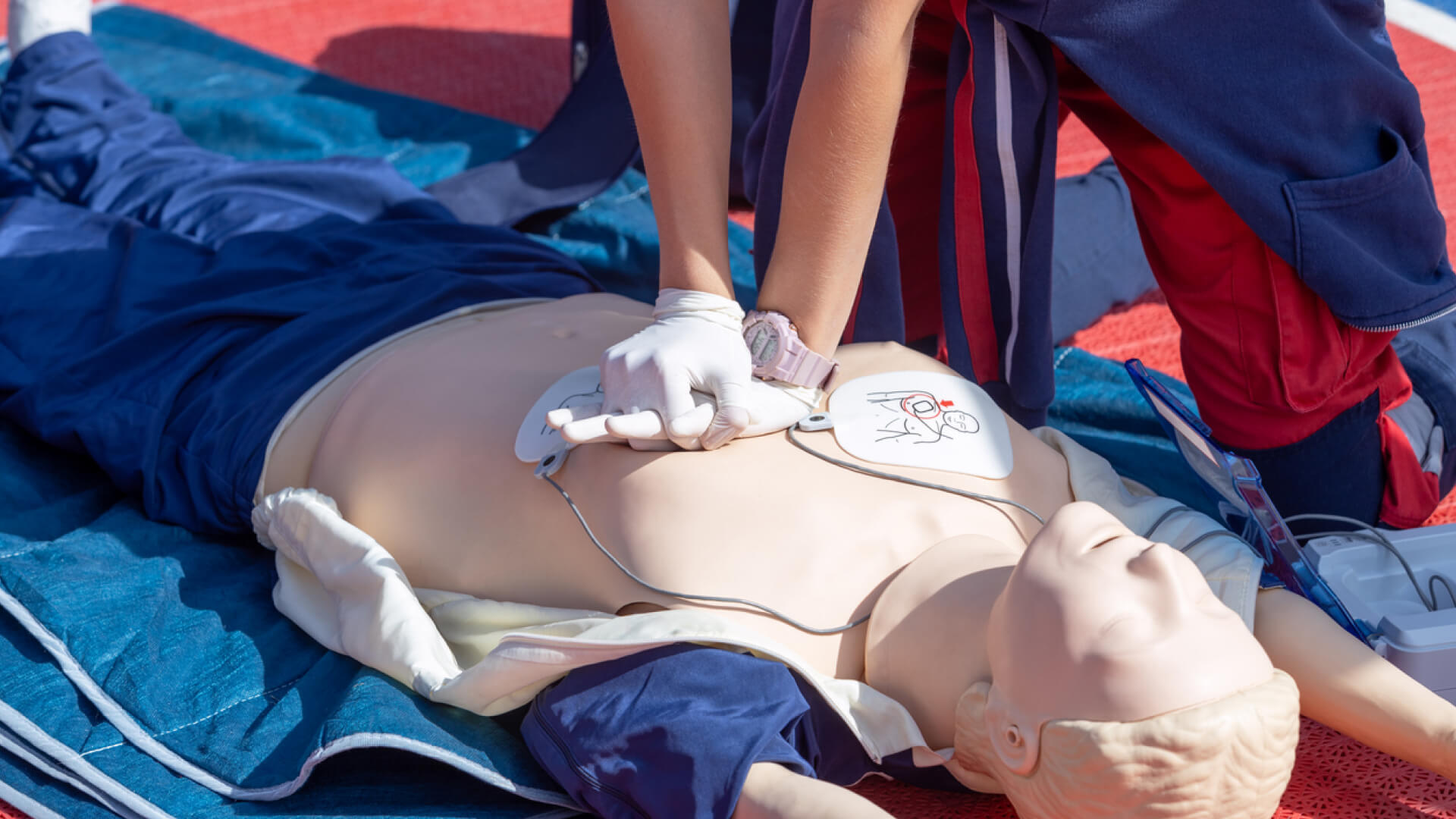
When cardiac arrest occurs, every second becomes a race against time. That’s where the power of defibrillation comes in. A defibrillator delivers a controlled electric shock to the heart. This can restore its rhythm and restart life. Acting quickly makes all the difference, which is why immediate defibrillation is essential. It’s more than a device, it’s a lifeline that turns a critical moment into a chance for survival.
Knowing how and when to use an Automated External Defibrillator (AED) can be the key to saving a life. In a cardiac emergency, spotting irregular heart rhythms, like ventricular fibrillation, is crucial. Acting quickly can make a big difference. Years in emergency care taught me a vital truth: quick defibrillation can change loss into survival.
Why is a defibrillator a lifesaver?
Defibrillation delivers a controlled electric shock to the heart. This helps restore its normal rhythm. It treats serious arrhythmias like ventricular fibrillation and pulseless ventricular tachycardia. Defibrillation restores the heart’s electrical signals. This helps the heart beat effectively again. In cardiac arrest, every second counts. Quick defibrillation can be the key to survival or loss.
Defibrillation is crucial for saving lives during cardiac arrest outside the hospital. An electric shock can fix a heartbeat. When used with CPR, it boosts survival rates a lot. In critical moments, quick access to an AED can mean life or death.
How does a defibrillator actually work?
Defibrillation sends a quick, controlled electric shock. This shock briefly stops the heart. Then, it helps the heart reset and regain a steady rhythm. This quick pause helps the heart bounce back from irregular electrical activity. It allows the heart to regain normal function.
During life-threatening heart rhythm disturbances such as ventricular fibrillation, defibrillation becomes essential. A controlled energy pulse sent to the heart helps it beat steadily and effectively.
In cardiac arrest, every second matters. Quickly delivering a defibrillating shock can mean life or death. Each minute of delay reduces survival chances by roughly ten percent. Access to AEDs and training outside hospitals helps responders act fast. Every second matters in an emergency.
This shows why we need to promote early defibrillation. It’s vital to raise public awareness about how it can save lives. The more people understand its value, the more lives can be saved.
Understanding the Different Types of Defibrillators
Many people imagine defibrillators from dramatic hospital scenes with paddles and sparks. In reality, defibrillators come in different forms, each built for a unique purpose. Anyone can easily use publicly accessible Automated External Defibrillators (AEDs) in an emergency. For patients who need ongoing heart protection, doctors prescribe implantable and wearable models. Understanding these types helps us see how defibrillation saves lives. It’s crucial for sudden cardiac events and long-term heart care.
Automated External Defibrillators (AEDs)
Automated External Defibrillators (AEDs) are small and simple to use. You can often find them in schools, offices, gyms, and airports. These lifesaving tools are made for public use in cardiac emergencies. They check the heart’s rhythm and give an electric shock if needed to restart a normal heartbeat. AEDs use clear voice prompts to guide each step. This allows anyone, even those without medical training, to act quickly and effectively. Public access to them is vital for boosting survival rates in sudden cardiac arrest.
Implantable Cardioverter-Defibrillators (ICDs)
An Implantable Cardioverter Defibrillator (ICD) is different from a public-use AED. It is implanted in the body and monitors the heart continuously. The ICD is made for those at high risk of serious arrhythmias. It automatically detects abnormal rhythms. Then, it delivers a shock to restore a steady heartbeat. It acts as a constant safeguard. It provides ongoing protection for people with serious heart conditions, not during emergencies.
Subcutaneous ICDs (S-ICDs)
A Subcutaneous Implantable Cardioverter Defibrillator (S-ICD) offers a new choice. It’s different from traditional defibrillators. The main difference is where it is placed in the body. The S-ICD sits under the skin on the chest. It connects to a sensor along the breastbone, avoiding wires in the heart. It avoids direct contact with the heart and blood vessels. This lowers long-term risks. So, it offers a safer choice for patients needing continuous heart rhythm monitoring.
Wearable Cardioverter-Defibrillators (WCDs)
A Wearable Cardioverter Defibrillator (WCD) offers temporary, non-invasive protection against sudden cardiac arrest. Worn under clothes, it keeps an eye on the heart. If it detects a dangerous rhythm, it automatically sends a corrective shock. A WCD is often given to patients recovering from a heart attack or waiting for a transplant. It acts as a crucial safety measure until the heart gets stable or a permanent device is placed.
Who Might Need a Defibrillator?
Defibrillators save lives in two key situations. Public-access AEDs let bystanders respond quickly during unexpected cardiac arrests. They can help restore a heartbeat before professional help arrives. People with heart conditions can use ICDs and WCDs. These devices help protect against dangerous heart rhythms. Recognizing these uses shows how crucial community access and personalized care are. They help create a heart-safe environment.
Emergency Use for Sudden Cardiac Arrest
Sudden cardiac arrest can strike anyone at any time, making swift action essential. Without rapid treatment using CPR and a defibrillator, survival chances drop sharply. Automated External Defibrillators (AEDs) let everyday people take action in urgent situations. They provide lifesaving aid until medical help can arrive. Having AEDs on hand and training people to use them helps keep schools, workplaces, and communities safe. This is crucial when every second matters.
Medical Conditions Requiring an Implanted Defibrillator
For those with serious heart rhythm disorders, an implanted defibrillator provides ongoing protection. This small device tracks your heartbeat all day. If it detects a fast or irregular heartbeat, like ventricular tachycardia or ventricular fibrillation, it will deliver a shock to the heart. This helps restore a normal rhythm. An ICD is often recommended for cardiac arrest survivors or high-risk patients. It provides lifesaving support and peace of mind, all managed by a cardiologist.
Why is early defibrillation so important for survival?
Rapid defibrillation in a cardiac emergency can significantly increase survival chances. Quick access to an AED is crucial for delivering a lifesaving shock when every second counts.
The Scope of Sudden Cardiac Arrest
Sudden Cardiac Arrest (SCA) is a serious health emergency. It can happen to anyone, no matter their age or fitness level. SCA happens when the heart’s electrical system fails. This stops the heart from beating correctly and cuts off blood flow to vital organs. It’s different from a heart attack, which is caused by blocked blood flow. Without rapid action, it is almost always fatal. A clear response plan is vital. It helps protect lives at home, work, and in public. Access to lifesaving tools, like defibrillators, is also essential.
Statistics on Sudden Cardiac Arrest (SCA) reveal how critical immediate action is. Every minute without CPR or defibrillation cuts survival chances by up to 10%. Irreversible brain damage can happen in a few minutes. Waiting for emergency responders can be too late. Using an Automated External Defibrillator (AED) quickly can help the heart beat normally again. This greatly improves the chance of survival.
How Quick Action Improves Survival Rates
Immediate defibrillation during sudden cardiac arrest can dramatically raise survival chances. Every minute without treatment lowers the odds by up to ten percent. So, quick action is crucial.
Defibrillation is a vital intervention during cardiac emergencies outside the hospital. A controlled electric shock can reset the heart’s rhythm. This helps restore normal function when the heartbeat is irregular or stops.
Time is the key factor in surviving sudden cardiac arrest. Using a defibrillator quickly boosts recovery chances. When combined with fast CPR, it can be the difference between life and death.
Where Defibrillation Fits in the Chain of Survival
Defibrillation is vital in treating sudden cardiac arrest, particularly outside hospital settings. Restoring a normal heart rhythm quickly boosts survival chances in those critical first moments.
An AED delivers a brief, controlled electric shock that helps reset the heart’s rhythm. This restores normal electrical activity, allowing the heart to beat effectively again.
Early defibrillation boosts survival rates. Each minute without treatment lowers the chances of recovery from sudden cardiac arrest.
A quick response is critical for ventricular fibrillation and other dangerous heart rhythms. Raising public awareness and providing AED training can save lives.
What Affects Defibrillation Speed?
Rapid defibrillation works best when AEDs and trained responders are nearby. This greatly boosts survival chances in a cardiac emergency.
The Critical Time Window for Defibrillation
Survival rates drop sharply the longer defibrillation is delayed after sudden cardiac arrest. Delivering a shock in the first few minutes is key to saving lives and improving outcomes.
Every minute without defibrillation can cut survival chances by ten percent. Yet, quick access to an AED can greatly boost recovery odds.
Prompt treatment for ventricular fibrillation greatly improves the chances of survival. Research shows that acting within the first few minutes is key to recovery.
Experience proves that rapid action during a cardiac emergency can save lives. Recognizing sudden cardiac arrest and using an AED quickly can save lives. Early awareness of defibrillation is important for everyone.
Heart emergencies are urgent. This shows why CPR and AED training is important. Early defibrillation is key to saving lives.
The Importance of Public Access to AEDs
Easy access to AEDs is vital for improving survival during sudden cardiac arrest. Being available at home, work, and public spaces saves time when every second counts.
Survival decreases by up to ten percent for every minute without defibrillation. Quick access to AEDs helps shorten response time. This is crucial for treating ventricular fibrillation. Communities with easily accessible devices are far better equipped to handle cardiac emergencies.
Placing AEDs in easy-to-reach spots is crucial for quick and effective emergency responses. Training more people to use them increases the chance of successful intervention. Public awareness boosts community readiness. Combining CPR with quick defibrillation can save lives. This method helps stop major heart problems. It also ensures patients receive quicker, advanced care.
Building Confidence Through Proper Training
Defibrillation training improves emergency response. It equips people to use an AED swiftly and effectively when every second is crucial.
Trained responders can quickly respond to ventricular fibrillation. They use defibrillation to restore the heart’s normal rhythm. This action significantly improves a patient’s chances of survival.
Practical training enhances CPR and defibrillation skills. It helps responders act quickly and confidently during cardiac arrest. Every second counts.
Studies indicate that the fast use of defibrillators can greatly enhance survival rates. This encourages more people to act during cardiac emergencies.
Step-by-Step: How to Use an AED
Using an AED can seem scary, but anyone can use it, even without medical training. It gives clear voice prompts that guide you step-by-step. This helps you with everything, from placement to shock delivery. Turning on the device and following its instructions can save a life. Formal training boosts confidence, but it’s not always necessary. Acting quickly is key. The AED checks the heart’s rhythm and decides if a shock is needed. This lets you help without hesitation.
- Turn on the AED. Turn on the AED or open its case. It will then start giving clear voice instructions to guide you step by step.
- Expose the chest and apply the pads. Expose the person’s chest and dry it. Then, peel the backing from the electrode pads. Place them firmly on the chest as shown in the diagrams.
- Plug in the connector and stand clear. After attaching the pads, connect their cable to the AED. The device will start analyzing the heart’s rhythm. It will ensure that no one touches the person during this important step.
- Deliver the shock if advised. If the AED decides a shock is needed, it will tell everyone to stand clear. Then, it will instruct you to press the flashing shock button. Before delivering the shock, clearly say, “Everyone clear!” to ensure that no one is touching the patient.
- Start CPR immediately. After the shock, the AED will tell you to start CPR. It often gives a rhythm to help you with your compressions. Keep following its prompts until medical professionals take over.
What Does Early Defibrillation Prevent?
Early defibrillation is crucial in cardiac emergencies. It restores a normal heartbeat. It also lowers the risk of complications after sudden cardiac arrest.
Restarting the Heart: Its Role in Resuscitation
Defibrillation is essential for saving lives during cardiac arrest, especially outside hospital settings. It delivers a precise electric shock. This resets the heart’s electrical system and brings back a steady, natural rhythm.
This technique is key for fixing dangerous rhythms like ventricular fibrillation. It helps the heart return to its normal, steady beat.
Rapid defibrillation boosts survival rates after sudden cardiac arrest. Each minute without it can lower chances by up to ten percent. Acting quickly boosts survival and recovery. It helps restore circulation and lowers the chance of another arrest.
Understanding these factors is essential for successfully implementing early defibrillation programs.
Keeping the Heart Beating: Preventing Re-arrest
Defibrillation helps restore a stable heart rhythm after cardiac arrest. It lowers the risk of another episode and aids in long-term recovery.
Rapid defibrillation is essential for fixing life-threatening heart rhythms, like ventricular fibrillation. This need is especially urgent in non-hospital settings. Acting quickly in these moments boosts survival chances and can save lives.
Early defibrillation must be a priority for organizations and first responders alike. Training helps people use AEDs quickly, confidently, and effectively in emergencies.
Living with an implanted defibrillator
Getting an implantable cardioverter defibrillator (ICD) helps protect your heart. It doesn’t have to hold you back from living your life. This small, battery-powered device goes under the skin. It keeps track of your heartbeat. If it detects a dangerous rhythm, it gives a corrective shock. People with an ICD can live active, fulfilling lives. They just need to work closely with their healthcare providers. They can also manage their heart health with confidence.
Recovery after ICD implantation can take a few days to several months. It depends on your health. Patients learn to live safely with the device. They steer clear of strong magnetic fields. They sense when a shock occurs and adapt to new routines. Emotional support from loved ones and care teams is equally important. With the right support, many people find their confidence again. They learn to balance safety with a fulfilling, active life.
Device Interference and Precautions
Living with an ICD means you need to be aware of strong electrical and magnetic fields. These can affect your device. Most household electronics, like microwaves and computers, are safe. Yet, keep items with magnets, such as phones and headphones, a few inches away. It’s also wise to be cautious around industrial machinery and security scanners. Keep your ICD identification card handy or wear a medical alert bracelet. This helps first responders give you the right care fast in an emergency.
Activity, exercise, and driving restrictions.
Many people ask when they can go back to normal activities after getting an ICD. The device aims to support your active and healthy lifestyle. It encourages both exercise and intimacy. Your doctor will give you advice based on your condition. Low-impact activities, like walking, swimming, and cycling, are usually safe. Avoid contact sports that might hurt your chest. You should only drive again when your doctor says it’s safe and your heart rhythm is steady.
Maintenance and Battery Replacement
An ICD battery lasts about five to ten years. Your doctor will check its status during follow-up visits. When it runs low, a quick, minimally invasive procedure is done to replace the generator. Regular check-ups keep the device working well and suited to your needs. This gives you peace of mind, knowing it is always ready to protect your heart.
End-of-Life Planning
An ICD saves lives, but its role in end-of-life care matters too. Talk with your doctor and family about deactivation. This way, the device won’t give unexpected shocks during a terminal illness. This conversation respects your wishes. It helps you focus on comfort and dignity in your final care stages.
Understanding the Risks and Safety Information
Defibrillators save lives, but they also have some risks. For AEDs, the biggest worry is improper use. This shows why proper training is so important. With ICDs, most risks stem from the implantation procedure itself. Knowing these options helps you choose better health and emergency plans. This ensures you can use defibrillation effectively and lower the risk of complications.
Risks of Using an AED Incorrectly
Automated External Defibrillators (AEDs) focus on ease of use. They give clear voice instructions to help users with every step. Mistakes like placing the pads incorrectly can stop the device from working well. Proper CPR and AED training boost confidence and accuracy in emergencies. This ensures quick and correct action when it matters most. More trained responders mean AEDs can save more lives. They turn everyday people into heroes during a crisis.
Surgical Risks of Implantable Defibrillators
Implanting an ICD, like any surgery, has risks. These include infection, bleeding, and damage to nearby blood vessels or nerves. Complications can occur, such as a collapsed lung or lead issues. These may need follow-up treatment. Your doctor will go over these options with you. This shows the risks and highlights the device’s important, life-saving benefits.
Recovery and Care After Defibrillation
Surviving sudden cardiac arrest is life-changing. Yet, recovery goes on long after the heart is restarted. After a defibrillation shock, patients experience physical and emotional healing. Meanwhile, doctors work to stabilize them and stop future episodes. With proper care and support, most people can regain strength and live a full, healthy life again.
The Post-Cardiac Arrest Recovery Journey
Recovery after cardiac arrest can be challenging, as the body and mind both need time to heal. Survivors may feel tired, sore, or anxious in the weeks that follow. Cardiac rehabilitation helps rebuild strength. It offers monitored exercise, education, and emotional support. Doctors try to find out what caused the arrest. They might recommend medication, lifestyle changes, or an implanted defibrillator. These steps can help lower the chance of it happening again.
Protecting the Brain After a Shock
When the heart stops in cardiac arrest, the brain quickly loses oxygen. This can lead to serious damage within minutes. Early defibrillation is crucial. It helps restart the heart and quickly gets blood flowing to the brain. Every minute without CPR or a shock cuts survival chances. It also raises the risk of long-term injury. After resuscitation, doctors might use controlled cooling. This helps protect the brain and supports recovery.
FAQs
What is the purpose of defibrillation?
Defibrillation aims to restore a normal heart rhythm. It is used when the heart stops beating effectively during sudden cardiac arrest. It delivers a controlled electric shock. This resets the heart’s electrical system, helping it beat normally again. This quick action can mean the difference between life and death in an emergency.
Why is defibrillation important?
Defibrillation is key. It helps the heart restart after serious rhythm problems, like ventricular fibrillation. Without quick defibrillation, blood flow to the brain and other vital organs stops. This makes survival unlikely. It is one of the most critical steps in the chain of survival.
When is defibrillation most effective?
Defibrillation works best when used within the first few minutes of cardiac arrest. Each minute without a shock reduces survival chances by up to 10%. Using an automated external defibrillator (AED) quickly and doing CPR can greatly boost recovery chances.
How does early defibrillation prevent complications?
Early defibrillation helps prevent serious brain injury and organ damage. It does this by quickly restoring blood flow when the heart stops. The quicker the shock is given, the more oxygen gets to the brain and body. This helps cut long-term issues and boosts recovery.
Conclusion
Defibrillation is one of the most powerful life-saving interventions in modern medicine. Whether you use a public AED or an implanted device, the goal is clear: restore the heart’s rhythm, restart circulation, and give life another chance. Early defibrillation works best when done in the first few minutes. Every second matters to prevent brain damage and death. We can help more people be ready to act when it matters. We can raise awareness, make AEDs easier to access, and promote proper training. Defibrillation is more than technology. It’s about hope, saving lives, and building the chain of survival.
Disclaimer for information purposes only:
The information provided on this website is intended for general educational and informational purposes only. It is not medical advice and should not be used as a substitute for professional diagnosis, treatment, or care. Always consult a qualified healthcare or medical professional regarding any health-related questions or concerns.
While we strive to ensure the information shared is accurate and up to date, no guarantees are made regarding completeness, accuracy, or applicability to any individual situation. Use of this content is at the reader’s sole discretion and risk.
This website is part of the Response Ready family of emergency preparedness and training resources, including CPR & first aid training and compliance services, AED sales and program support, AED program management software, and medical oversight solutions provided through our affiliated platforms:
• CPR1.com
• AEDLeader.com
• AEDTotalSolution.com
• ResponseReady.com
By accessing or using this website, you agree to release, indemnify, and hold harmless the website owners, authors, contributors, and affiliated entities from any claims, losses, damages, or liabilities arising from the use or reliance on the information presented.

Dr. Ann Jarris MD, MBA, FACEP
Save Lives with the Right AED Today
Buy Trusted AEDs Today!
Get Certified in CPR and Make a Difference!
Save Lives with the Right AED Today

- Published