

- Published
AED Pad Placement: Correct Positions to Save a Life
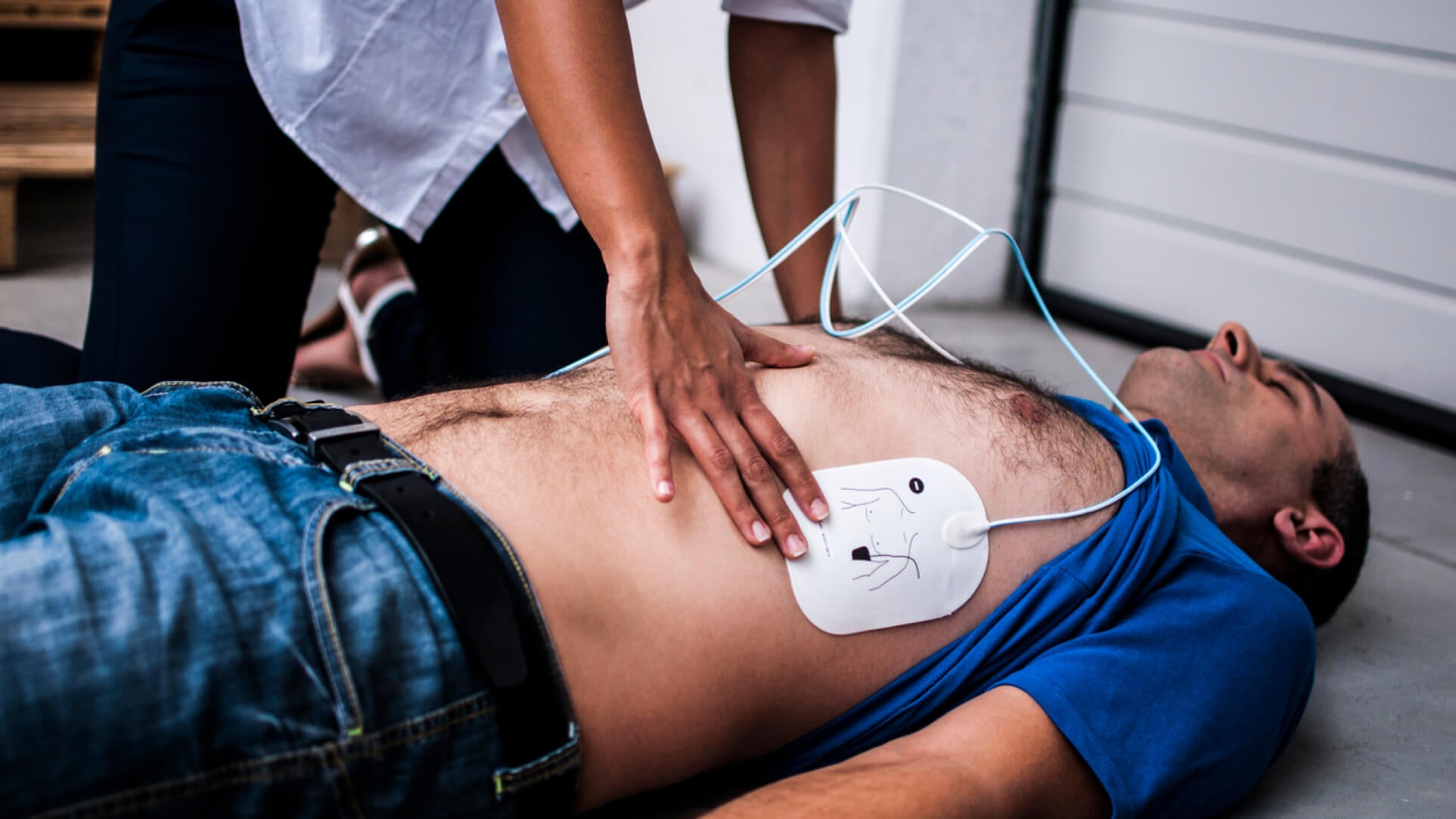
Proper placement of AED pads is vital for providing a life-saving shock in sudden cardiac arrest. Learning standard positions in training is easy. Yet, real emergencies can be much more complex. Chest hair, sweat, and implanted devices like pacemakers can affect contact and performance. This guide shows where to place AED pads on adults and children. It also offers tips to ensure safe and effective defibrillation in any situation.
The Complete Steps for Using an AED
In sudden cardiac arrest, quick action can save a life. An Automated External Defibrillator (AED) helps restart the heart. Yet, it works best when used correctly. AEDs are simple to use, but knowing how they work can save lives. Getting to know how they work can really help when time is tight. These devices give clear voice prompts and step-by-step help. This lets anyone step in and provide lifesaving help before medical professionals arrive.
1. Secure the scene and call 911.
Always begin by making sure the area around you is safe for both yourself and the person in distress. Check for any dangers such as traffic, fire, or electrical hazards before approaching. Once the scene is secure, quickly assess the person’s responsiveness and breathing. If you see no signs of life, tell someone to call emergency services. Also, ask them to bring an AED. Clear, direct instructions prevent confusion. They ensure help is coming while you start life-saving care. This begins the vital first step in the chain of survival.
2. Turn on the AED and listen to the instructions.
Once the AED arrives, switch it on immediately and follow the voice instructions. Modern defibrillators are designed for anyone. They provide clear, step-by-step prompts for placing pads and performing CPR. Simply listen and act as directed—the device does the thinking for you. This guided process eliminates doubt. It helps untrained bystanders act fast and with confidence in a life-threatening emergency.
3. Apply the pads and plug in the connector.
When the AED prompts you, remove or cut away clothing to expose the person’s chest. This lets the pads stick directly to the skin. Quickly dry any moisture to ensure good contact. Each pad has a clear diagram. Place one on the upper right chest, just below the collarbone. The other goes on the lower left side, beneath the armpit. After positioning them, connect the pads to the AED. Correct placement is key for the device. It helps deliver a shock and restore the heart’s rhythm.
4. Clear the area for analysis and shock.
Once the pads are attached, the AED will analyze the person’s heart rhythm. Step back and make sure no one is touching them. Firmly announce “Clear!” to keep the area safe. If a shock is needed, the device will prompt you to press the button after it charges. Repeat the safety check. Make sure everyone is clear, then deliver the shock as instructed. This brief pulse helps reset the heart’s electrical rhythm, giving it a chance to beat normally again.
5. Resume CPR immediately after the shock.
Start CPR immediately, with firm chest compressions, whether a shock was given or not. This keeps blood flowing to the brain and vital organs until the heart can function on its own. Keep going without waiting for more prompts. Stop only if the person responds, another rescuer takes over, or medical help arrives. The AED will keep monitoring the heart and let you know if another shock or analysis is needed.
Why proper AED pad placement matters.
Placing AED pads correctly is as vital as applying them. Good positioning helps electrical current move through the heart effectively. This increases the person’s chance of survival and ensures everyone’s safety. Taking a few extra seconds to place things correctly can save lives. With practice, it becomes second nature. This helps you react quickly and confidently in any emergency.
Ensuring an Effective Electrical Path
An AED sends a controlled shock to the heart’s ventricles. This helps restore a normal rhythm. Place one pad on the upper right chest and the other on the lower left. This setup creates the best path for the current to flow. This positioning allows the heart’s natural pacemaker to reset effectively. Incorrect placement can disrupt this pathway. It reduces the shock’s impact, costing valuable seconds when it matters most.
Preventing Skin Burns
An AED sends a strong electrical charge. So, it’s important to ensure the pads make full contact with dry skin for safety. Moisture or sweat can change the current flow on the skin. This may cause burns instead of directing energy to the heart. Dry the chest quickly. Then, press the pads firmly. This creates a secure seal. It helps the shock reach the heart safely and effectively.
Protecting Rescuers and Bystanders
Proper AED use and correct pad placement protect both the patient and those nearby. Keeping everyone clear during shock delivery helps avoid injuries to rescuers and bystanders. The firm “Clear!” command is key for safety and control. It lets responders focus fully on reviving a person in cardiac arrest. This reduces risk and confusion.
How to Correctly Place AED Pads on an Adult
AEDs provide clear voice and visual cues. These help you place the pads quickly and confidently. Place one pad on the upper right chest and the other just below the left armpit along the ribs. This alignment helps the shock move smoothly through the heart. It boosts the chances of getting a normal rhythm back.
Removing metal jewelry and piercings.
Because metal conducts electricity, AED pads must never touch it. Quickly check the chest and neck for any jewelry or piercings. These could interfere with the shock. Remove any metal items in the pad area, and if a piercing can’t be taken out, position the pad at least an inch away. This quick method prevents burns. It also ensures that electrical current flows safely through the heart.
Removing metal jewelry and piercings.
Because metal conducts electricity, AED pads must never touch it. Quickly check the chest and neck for any jewelry or piercings. These could interfere with the shock. Remove any metal items in the pad area, and if a piercing can’t be taken out, position the pad at least an inch away. This quick method stops burns and makes sure the electrical current flows safely through the heart.
Placement for Women
When applying AED pads to a woman, focus on achieving firm contact with the chest wall. Gently shift the breast tissue to place the pads correctly. Make sure the pads stay directly on the skin. If an underwire bra obstructs the area, remove or cut it using the trauma shears provided in most AED kits. These quick steps help the pads stick well. They also ensure the shock is delivered safely and effectively.
A Note on Speed vs. Perfection
In a cardiac arrest emergency, speed matters more than perfection. Don’t hesitate about where to place the pads. Modern AEDs give clear voice prompts and visuals to help you. Place the pads on the person’s bare chest quickly. Then, follow the device’s instructions. Acting quickly offers the best chance to save a life. It’s more important than perfect positioning.
Where do AED pads go on an infant?
In babies younger than one year, breathing problems or blocked airways can cause cardiac arrest. Heart failure is less common. Carefully assess the situation to distinguish between choking and cardiac arrest. If choking isn’t present, start CPR immediately, call for emergency help, and use an AED if available.
For infants, place one AED pad in the center of the chest and the other on the upper back. Use pediatric pads or the child mode if you can. If only adult pads are available, use them carefully. Make sure they don’t overlap. In any emergency, using an AED is always safer than doing nothing.
How to Place AED Pads on a Child
For children between one and eight years old, or those under 55 pounds, use pediatric AED pads if possible. Position one pad on the center of the chest and the other on the upper back, ensuring they don’t touch or overlap.
The key difference between infant and child CPR is the compression technique. Use two fingers or both thumbs for infants, and one or two hands for children, depending on their size. Compress about one-third of the chest’s depth, letting it fully rise between pushes. Give rescue breaths only if you’re trained to do so.
How to Place AED Pads on a Pregnant Woman
If a pregnant woman experiences cardiac arrest, start CPR and use an AED immediately. Defibrillation shouldn’t be postponed because of pregnancy. Acting quickly improves survival odds for both the mother and baby.
Place one AED pad above the right breast. Put the other on the left rib cage. Make sure both pads touch the skin directly. Do CPR as you would for any adult. If the woman wakes up, place her on her left side. This helps blood flow for her and the baby.
If the patient is pregnant, immediately tell the emergency operator. In advanced pregnancies, responders might do an emergency C-section. This helps give the baby a better chance if the mother can’t be revived.
Placing AED pads around a pacemaker.
Pacemakers regulate irregular heartbeats but can’t correct fibrillation. Using an AED is safe and crucial for someone with a pacemaker during cardiac arrest. It helps restore a normal heart rhythm.
Locate the pacemaker, typically found on the upper left chest. If it’s there, place the AED pads in the usual positions, upper right chest and lower left side. When the device is in the upper right, place the pad at least an inch away. You can put it below or beside. Keep the second pad on the left rib cage.
Anterior-Lateral vs. Anterior-Posterior: Which placement is correct?
AED pads are usually placed in one of two main positions. This depends on the patient’s condition and body type.
- Anteroposterior AED pad placement: Put one pad on the front and the other on the back.
- Anterior-lateral or “anterolateral” placement: One pad goes on the upper right chest. Someone placed the other pad on the lower left side, beneath the armpit, and over the ribs.
Adults tend to use the pads on the anterior-lateral side. Children, so, often need them in the anterior-posterior position. Adults can also use the pads differently. Place one pad under the left nipple and the other beneath the left shoulder blade. This method avoids placing them directly on the center of the chest and back.
AED Pad Placement in Tricky Situations
Before using an AED, check for things like chest hair, moisture, or medicated patches. These can affect how well the pads stick. For more on handling these special cases, see our detailed AED usage guide.
What to Do About a Hairy Chest
Thick chest hair can make AED pads less sticky. This can lower the shock’s effectiveness. Quickly shave the pad areas to ensure full contact; most AED kits include a razor for this purpose.
The Patient Is Wet: Now What?
Make sure the person is on a dry surface. Take off any wet clothing. Then, dry the chest well so the AED works effectively.
What About Medicated Patches?
Do not place AED pads over medicated patches, as they can block the shock. Carefully remove the patch with gloves, clean the skin, and then apply the pads.
Understanding Your AED Pads
Knowing where to place AED pads is important, but keeping them in good condition is just as essential. Their quality directly affects how well the device works during an emergency. Regular maintenance keeps the AED ready when every second counts. The pads are the key link between the device and the life it can save.
Single-Use and End Dates
AED pads are single-use and should be replaced after each application, even if no shock is given. Once opened, they can’t be reused, and expired pads lose their adhesive and effectiveness. Check end dates often. You can also use AED management software to track replacements. This keeps your device ready for emergencies.
The Role of Conductive Gel
AED pads have a conductive gel that sticks to the skin. This helps the electrical current reach the heart effectively. If the gel dries out or contact is poor, the shock may fail or cause burns. Use unexpired pads. Place them on a clean, dry chest. This ensures safe and efficient energy delivery.
Your AED’s instructions are your best guide.
AED pads are placed in one of two main positions, front and side, or front and back. Each pad has clear labels and placement instructions. Follow the diagrams given.
When using an AED, apply the pads to clean, dry skin, avoiding pacemakers or medicated patches. Use it only if the person is unresponsive and not breathing. Using an AED quickly, plus CPR and calling for help, boosts survival chances.
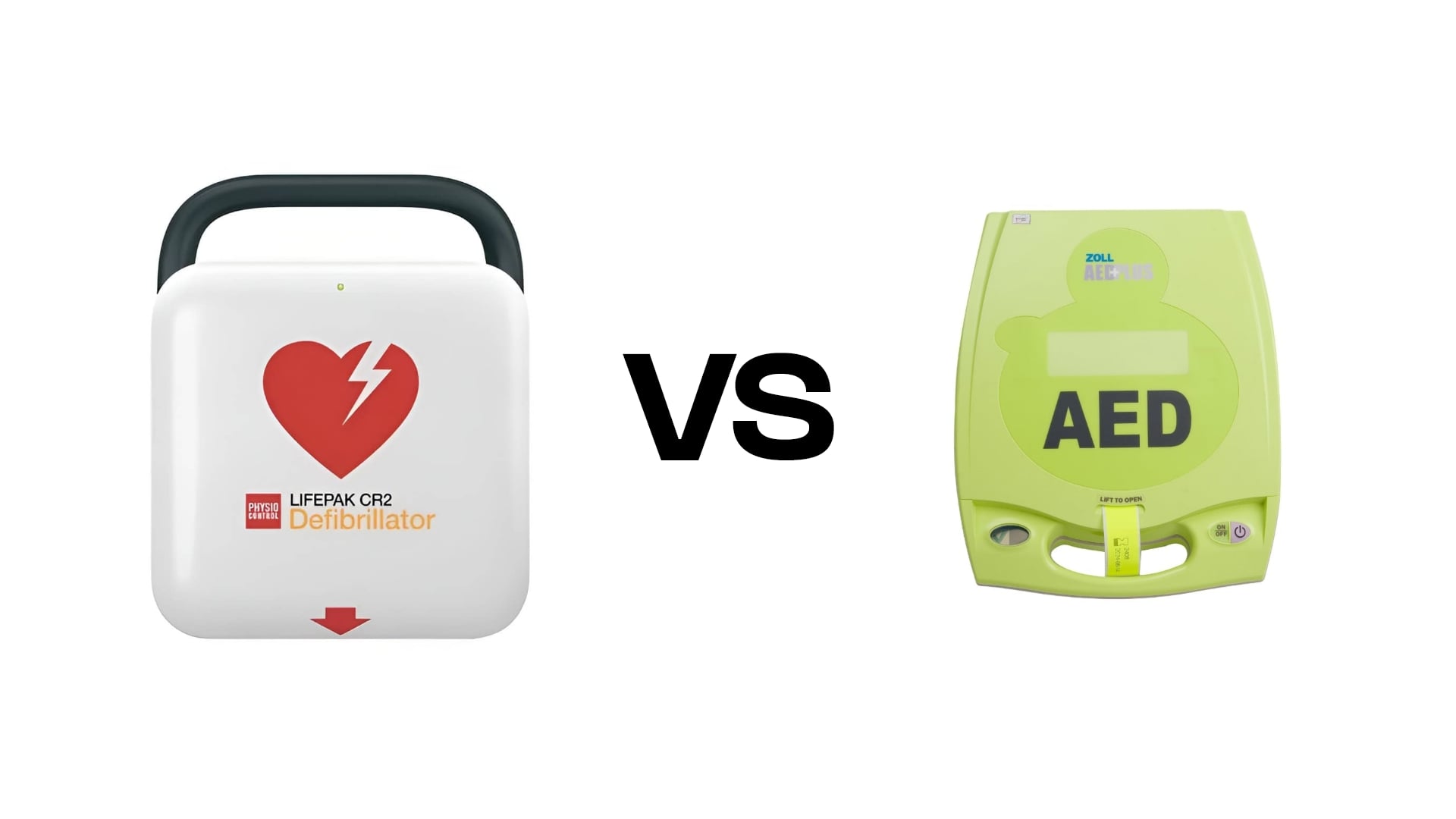
The ZOLL AED Plus boosts lifesaving efforts. It gives real-time CPR feedback using clear audio and visual cues. Its clear design supports strong compressions and defibrillation. This makes it a top pick for workplaces, schools, and public areas. It’s durable and simple to use, helping rescuers act quickly in cardiac emergencies.
FAQs
What is anteroposterior AED pad placement?
Anteroposterior AED pad placement means putting one pad on the front of the chest and the other on the back. This method lets electrical current flow straight through the heart. This boosts the chances of restoring a normal rhythm. It is often used for patients where standard pad positions are not possible.
Where should I place AED pads on an adult?
For standard adult AED pad placement, put one pad on the upper right chest below the collarbone and the other on the lower left side beneath the armpit. This ensures that the current flows effectively through the heart during defibrillation.
When should anteroposterior placement of AED pads be used?
Use anteroposterior placement for AED pads when the chest is hard to reach. This applies in some medical cases or if the manufacturer suggests it. It’s helpful for smaller adults or when anterior-lateral placement doesn’t make good contact.
Is anteroposterior AED pad placement safe for adults?
Yes, anteroposterior AED pad placement is safe for adults. Pads work best when placed correctly, one in the center of the chest and the other under the shoulder blade. This setup defibrillates effectively and keeps the patient safe.
Does AED pad placement anteroposteriorly change the effectiveness of the shocks?
No, using AED pads backwards provides the same life-saving shock as the usual method. The key is to ensure that the pads fully touch the dry skin. This allows the energy to pass through the heart efficiently.
Conclusion
Correct AED pad placement is key for effective defibrillation. It can save lives during cardiac arrest. You can use standard or anteroposterior placement. Placing AED pads correctly on an adult is key. Using anteroposterior placement helps the electrical current flow properly through the heart. Follow the device’s voice prompts. Keep the pads in good shape. Act quickly. With these steps, anyone can provide life-saving care with confidence. In a cardiac emergency, quick action matters. Proper placement is key, and staying calm helps too.
Disclaimer for information purposes only:
The information provided on this website is intended for general educational and informational purposes only. It is not medical advice and should not be used as a substitute for professional diagnosis, treatment, or care. Always consult a qualified healthcare or medical professional regarding any health-related questions or concerns.
While we strive to ensure the information shared is accurate and up to date, no guarantees are made regarding completeness, accuracy, or applicability to any individual situation. Use of this content is at the reader’s sole discretion and risk.
This website is part of the Response Ready family of emergency preparedness and training resources, including CPR & first aid training and compliance services, AED sales and program support, AED program management software, and medical oversight solutions provided through our affiliated platforms:
• CPR1.com
• AEDLeader.com
• AEDTotalSolution.com
• ResponseReady.com
By accessing or using this website, you agree to release, indemnify, and hold harmless the website owners, authors, contributors, and affiliated entities from any claims, losses, damages, or liabilities arising from the use or reliance on the information presented.

Dr. Ann Jarris MD, MBA, FACEP
Save Lives with the Right AED Today
Buy Trusted AEDs Today!
Get Certified in CPR and Make a Difference!
Save Lives with the Right AED Today

- Published