

- Published
The Cardiac Chain of Survival Explained Step-by-Step
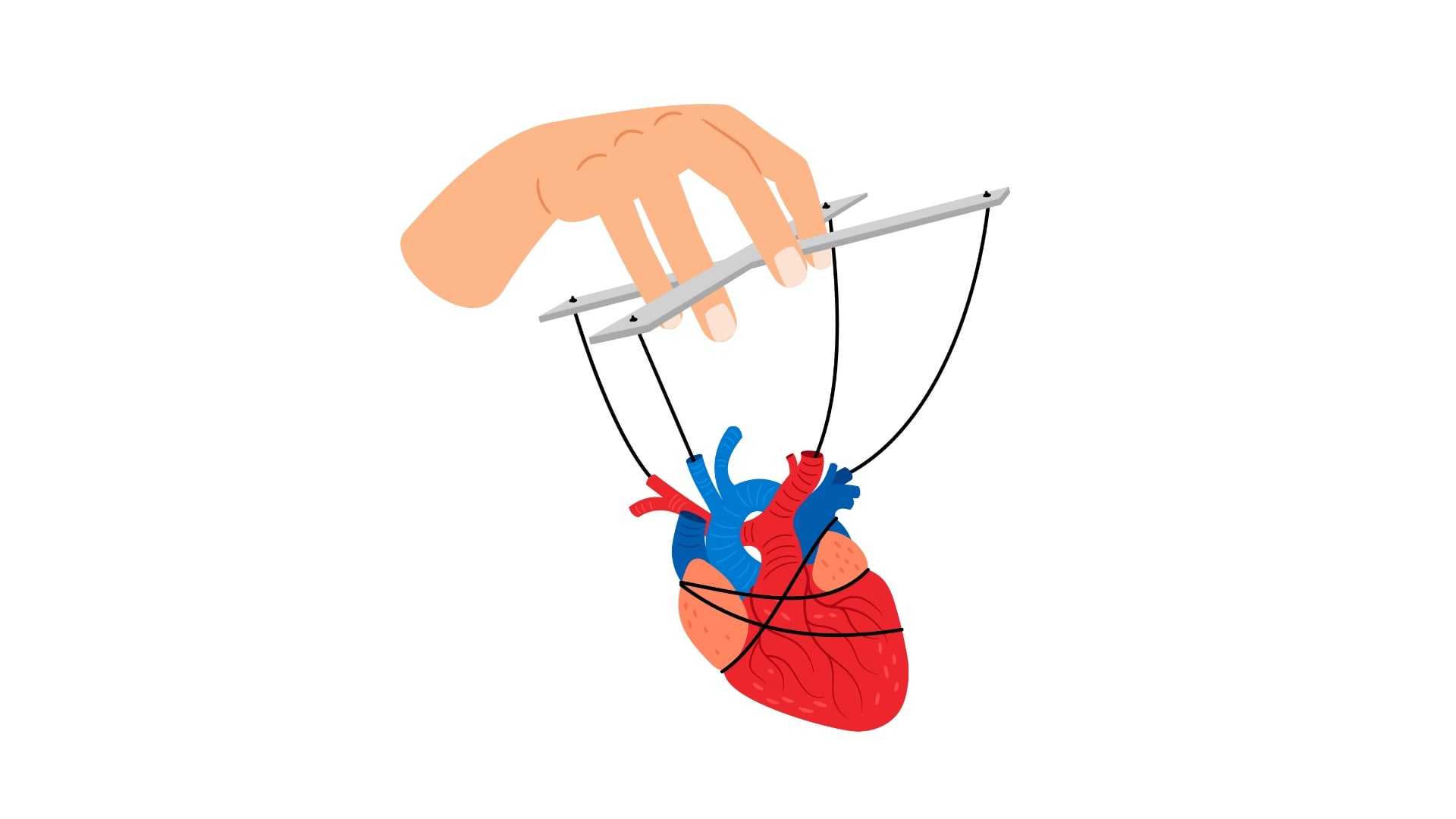
Sudden Cardiac Arrest happens when the heart suddenly stops beating. This occurs because of a problem in its electrical system. This interruption makes the heart lose its rhythm. It stops blood flow to the brain and other important organs. It is a leading cause of sudden death in the United States. This requires quick action to have any chance of survival.
To survive sudden cardiac arrest, people need quick and organized emergency care. Medical experts created the term “cardiac chain of survival.” This highlights important actions during emergencies. This term shows how urgent and important each life-saving step is. It aims to raise public awareness.
What is the Chain of Survival?
The cardiac chain of survival shows important steps to follow after a cardiac arrest. These steps can improve a person’s chances of survival. These steps help blood flow to the brain and support the heart. They keep things stable until emergency teams arrive to restore a steady heartbeat.
The chain of survival shows that its strength relies on how well each step works. Missing or poorly performed actions can sharply lower a victim’s chance of survival. Quickly spotting cardiac arrest is key. It leads to prompt CPR, defibrillation, and advanced emergency care.
What are the steps in the chain of survival?
Over the years, we have added new steps as we learned more about cardiac emergencies.
Cardiac arrest can happen suddenly. So, bystanders, often with no medical training, usually respond first. Even kids can use AEDs well, so their actions can save lives, even without formal training. Medical experts and advocates know lay responders are crucial. So, they created the simple “Call-Push-Shock” method. This makes it easier to remember what to do in an emergency.
Call-Push-Shock consists of just three steps:
- Call 911
- Perform hands-only CPR
- Use an AED to shock the heart
Today, as many as 70 to 90 percent of cardiac arrest victims don’t survive long enough to reach the hospital. With quick and proper action from bystanders, many of these deaths can be stopped.
Everyone should know the chain of survival. It shows the key steps bystanders can take to help someone during cardiac arrest. These simple steps are easy to learn and can make the difference between life and death.
Why is the Chain of Survival important?
Every minute counts during cardiac arrest, as the odds of survival drop rapidly with time. Brain damage can start in three minutes. After ten minutes, survival chances drop sharply without quick help.
Bystanders have a short window to act if a cardiac arrest victim is to survive and recover. The chain of survival offers a clear guide for quick, life-saving actions when time is crucial.
The chain of survival shows that you don’t need medical training to help in a cardiac emergency. Anyone, regardless of background, can take action and help save a life.
Why is defibrillation important?
Quick defibrillation is key in the survival chain. It can raise survival rates by up to 30% when done outside a hospital. This process uses an AED to deliver a controlled shock that can restore the heart’s rhythm.
CPR keeps blood flowing. Yet, only quick defibrillation can restart the heart and return it to its normal rhythm. Each minute without defibrillation can reduce the chance of survival by up to 10%.
More people know about rapid defibrillation now. So, AEDs are easier to find in schools, workplaces, and homes. These devices are simple to use. They give clear voice instructions, so anyone can operate them in an emergency.
If there’s no AED close by, bystanders must continue CPR until the emergency team arrives with one. This makes early recognition and calling for help immediately all the more crucial.
History of the Chain of Survival
The American Heart Association introduced the chain of survival in the late 1980s. Emergency and public health experts promoted its importance throughout the next decade.
In 1992, the American Heart Association put the chain of survival into its guidelines for cardiac arrest. They have updated it with more steps since then. The key actions—calling 911, doing CPR, and using defibrillation—are crucial.
Changes to the AHA chain of survival over time
The American Heart Association has changed the Chain of Survival since the 1980s. These changes reflect new medical and technological advancements.
In 2020, the American Heart Association added a sixth step to the chain of survival. This step is all about recovery. It’s key for a cardiac arrest patient’s survival and long-term health.
In 2020, the American Heart Association launched a pediatric chain of survival. This program focuses on infants, kids, and teens.
Adult chain of survival versus pediatric chain of survival
While cardiac arrest is more common in adults, it also affects children and infants. Among student athletes, it stands as the leading cause of sudden death.
The pediatric chain of survival has some changes from the adult version. These changes address the special sizes and needs of children.
The pediatric chain of survival starts with prevention. Cardiac arrest in children often comes from causes we can avoid. Alongside heart conditions, it can result from breathing problems, infections, or physical trauma.
CPR techniques for infants and children are different from those for adults. This is because their bodies react in unique ways.
Stroke Chain of Survival
The chain of survival began with cardiac arrest. Now, it has increased public awareness, so people also apply it to stroke response.
The American Heart Association created a stroke chain of survival. It has five key steps. These steps help improve survival and recovery after a stroke.
- Recognize stroke symptoms and call 911
- Timely EMS response
- Transport and notify the stroke center
- Stroke care
- Post-stroke care
FAQs
What is the cardiac arrest chain of survival, and why is it important?
The cardiac arrest chain of survival has important steps. These steps can improve the chances of survival in a sudden cardiac arrest. Early recognition, CPR, and defibrillation are key steps. They help blood flow and restore the heart’s rhythm before advanced care begins. Its importance lies in the fact that every link in the chain plays a key role in saving a life.
What are the key steps in the adult chain of survival?
The adult chain of survival includes early recognition of cardiac arrest, calling emergency services, performing high-quality CPR, rapid defibrillation, advanced emergency care, and post-resuscitation recovery. These actions help the victim survive and recover fully.
Why is defibrillation important in cardiac arrest situations?
Defibrillation is crucial. It’s the only method to restart a heart that has stopped due to sudden cardiac arrest. While CPR keeps blood flowing, defibrillation restores a normal heart rhythm. Even a one-minute delay can cut survival chances by 10%. So, quick defibrillation is vital in the chain of survival.
What does the in-hospital chain of survival for adults involve?
The in-hospital chain of survival for adults includes continuous patient monitoring, early recognition of warning signs, trained medical staff performing immediate CPR, timely defibrillation, and advanced post-arrest care. Hospitals are set up to handle every step well. This boosts the chances of a good outcome.
What is the meaning behind the “chain” in the cardiac chain of survival?
The term ‘chain’ means survival depends on finishing each step right and on time. Just like a physical chain, its strength lies in the strength of each link. Missing or weakening one step can cause the whole effort to fail. This shows why early and strong action is so important.
Conclusion
In short, understanding the cardiac chain of survival can save lives during sudden cardiac arrest. In public or in a hospital, every step is crucial. This includes recognition, calling for help, CPR, rapid defibrillation, advanced care, and recovery. You don’t need to be a medical professional to save a life. With more awareness and access to AEDs, anyone can help. By being willing to act, you become a key part of the chain. Empower yourself with the knowledge and confidence to respond—because every second counts.
Disclaimer for information purposes only:
The information provided on this website is intended for general educational and informational purposes only. It is not medical advice and should not be used as a substitute for professional diagnosis, treatment, or care. Always consult a qualified healthcare or medical professional regarding any health-related questions or concerns.
While we strive to ensure the information shared is accurate and up to date, no guarantees are made regarding completeness, accuracy, or applicability to any individual situation. Use of this content is at the reader’s sole discretion and risk.
This website is part of the Response Ready family of emergency preparedness and training resources, including CPR & first aid training and compliance services, AED sales and program support, AED program management software, and medical oversight solutions provided through our affiliated platforms:
• CPR1.com
• AEDLeader.com
• AEDTotalSolution.com
• ResponseReady.com
By accessing or using this website, you agree to release, indemnify, and hold harmless the website owners, authors, contributors, and affiliated entities from any claims, losses, damages, or liabilities arising from the use or reliance on the information presented.

Dr. Ann Jarris MD, MBA, FACEP
Save Lives with the Right AED Today
Buy Trusted AEDs Today!
Get Certified in CPR and Make a Difference!
Save Lives with the Right AED Today

- Published