

- Published
Why Is CPR Important? Top Reasons You Should Know
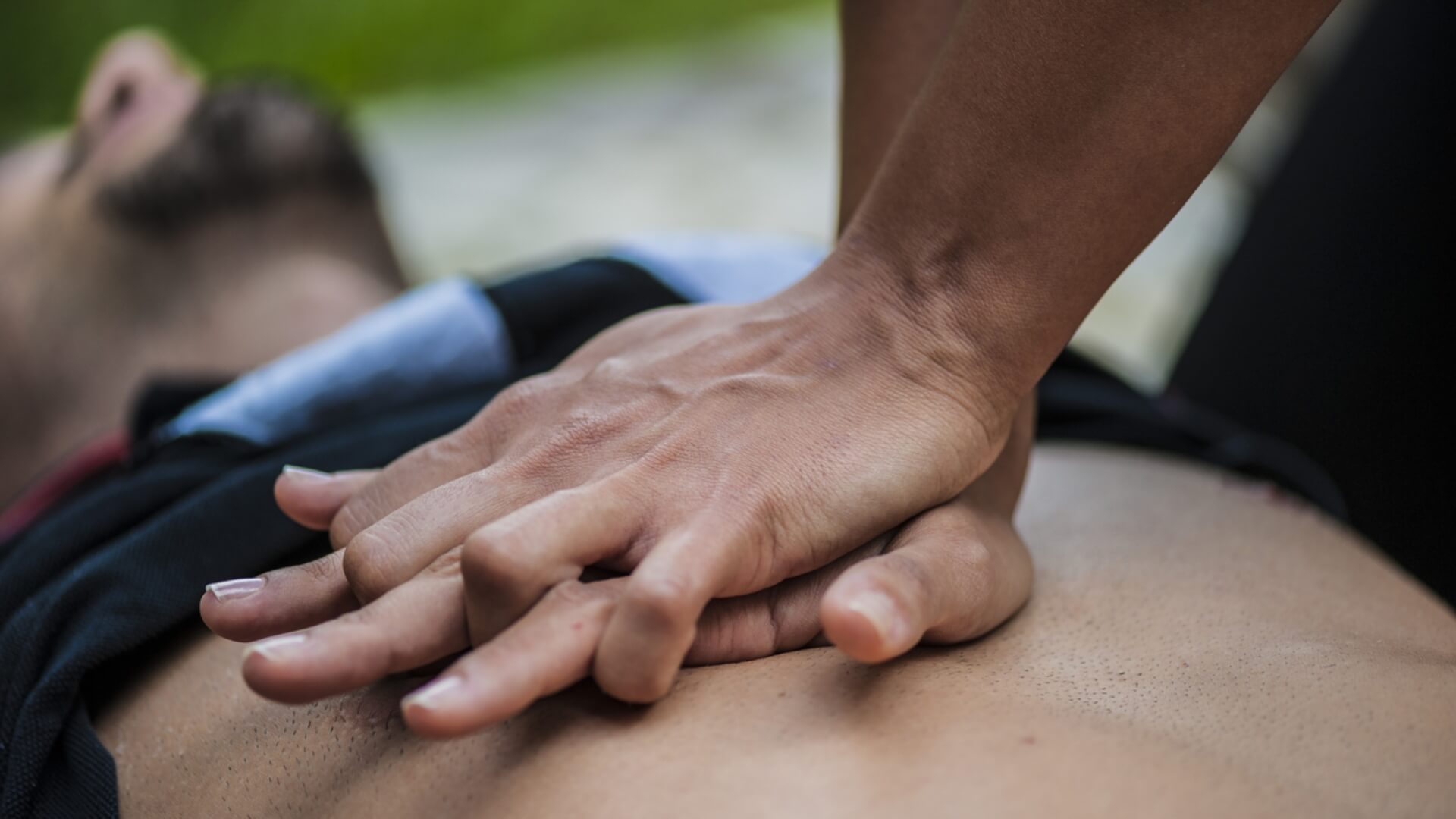
Knowing CPR can make the difference between life and death in a medical emergency. Being CPR certified means you can act fast and effectively when seconds matter. This vital training helps you act quickly. It gives someone in cardiac arrest a better chance of survival.
CPR stands for Cardiopulmonary Resuscitation. It’s vital when someone stops breathing or their heart stops. Doing quick, steady chest compressions helps keep blood flowing. This buys important time until emergency responders arrive.
What is CPR?
CPR, or Cardiopulmonary Resuscitation, is a life-saving technique. Doctors use it in cases of sudden cardiac arrest. Performing CPR immediately can significantly increase a person’s chances of surviving cardiac arrest.
The American Heart Association hopes for a future without cardiac arrest deaths. In the U.S., we lose 350,000 lives each year. This shocking number shows a big chance to make a change. Together, we can work toward reducing that number to zero.
Why is CPR important?
Good blood flow boosts the chances of successful resuscitation when help arrives. It helps preserve vital organ function during those critical moments.
How is CPR performed?
CPR comes in two main forms. Each one fits different situations and training levels:
- Trained people and healthcare providers usually do conventional CPR. This method mixes chest compressions with rescue breaths in a 30:2 ratio. For adults in cardiac arrest, rescuers should perform compressions at a rate of 100 to 120 per minute. The compressions should be at least 2 inches deep, but not more than 2.4 inches deep.
- If you see an adult or teen collapse outside a hospital, use Hands-Only CPR. This method uses chest compressions only, without mouth-to-mouth breaths. It’s simple and effective for everyone during emergencies.
About High-Quality CPR
Anyone, even a bystander, can and should deliver high-quality CPR when needed. Effective CPR depends on key elements that boost survival chances:
- Cut interruptions in chest compressions
- Provide compressions at an adequate rate and depth
- Avoid leaning on the victim between compressions
- Ensure proper hand placement
- Avoid excessive ventilation
10 reasons why it is important to learn CPR
When someone stops breathing or their heart stops, every second counts. Doing CPR right away can save lives and lessen harm until help arrives.
1. CPR saves lives!
Sudden cardiac arrest can strike anyone, anywhere, without warning. Acting quickly is key. Doing CPR immediately can boost survival odds before help arrives.
2. CPR protects against brain death
When the heart stops in cardiac arrest, blood stops flowing to the brain and vital organs. This leads to a loss of consciousness. Within a few minutes, the brain can begin to suffer damage. Doing CPR can help get blood flowing again. This may lessen damage until emergency help arrives.
3. You’ll know what to do during a cardiac emergency.
About 37% of sudden cardiac arrests occur in front of bystanders, and that bystander could be you. CPR training helps you gain the skills and confidence to act fast in emergencies. This can save lives during a cardiac arrest, no matter where it occurs.
With the right skills and confidence, anyone can make a big difference. Even in a crisis, you can step up and help someone in need.
4. Every minute counts in an emergency.
In a medical emergency, time is critical. Sudden cardiac arrest needs a quick reaction. Doing CPR right away keeps blood flowing to important organs. This boosts the chances of survival.
5. Faster Recovery for the Victim
Doing CPR right away after cardiac arrest helps improve survival and recovery chances. CPR helps restore circulation and breathing. If done quickly and well, the person may recover with few lasting effects.
6. CPR makes the home safer for everyone.
Most cardiac arrests—around 70%—happen at home. Sadly, many victims don’t survive before help gets there. That’s roughly 250,000 lives lost each year. Knowing CPR gives you the ability to act quickly and possibly save the life of someone you care about.
7. CPR Makes Schools Safer for Kids
At any time, about 20% of Americans are in school, where sudden cardiac arrest is the top cause of death on campus. Statistics show that one in 25 high schools faces an SCA each year. While it may not happen today, the risk is real—and growing. That’s why many states now must CPR training before graduation. Being prepared can save a life.
8. CPR Makes Work Safer
Each year, around 10,000 cardiac arrests happen in U.S. workplaces. More companies see how important safety is. So, many are now training employees in CPR. This way, immediate help is always ready. Training staff in CPR and first aid boosts safety. It also shows a real commitment to their well-being.
9. You may learn how to use an AED during a CPR class.
CPR classes often include AED training, which is a crucial part of the survival chain. AEDs are easy to use, but training boosts confidence. It can save vital time in an emergency.
10. Anyone can learn CPR.
Spotting sudden cardiac arrest and knowing how to act can be easy—and it can save lives. CPR classes are easy to find in the U.S. They’re affordable and quick to finish, so getting prepared is simple.
FAQs
Why is CPR considered a life-saving technique?
CPR helps maintain blood flow to the brain and organs when the heart stops. Keeping circulation going until help arrives can double or triple survival chances.
Why is learning CPR important for everyone?
Learning CPR empowers you to act in an emergency. It teaches you how to save a life when every second counts. This is important during sudden cardiac arrest at home, work, or in public.
What is the primary goal of CPR?
The main goal of CPR is to keep oxygen-rich blood flowing to vital organs. This helps until the heart can be restored with medical help or an AED.
What is the main goal of CPR during cardiac emergencies?
A key goal of CPR is to prevent brain damage. It also aims to improve survival by ensuring blood flows right after cardiac arrest.
What are some fun facts about CPR?
Did you know CPR dates back to the 1700s? Hands-only CPR was introduced to make it easier for the public to help. Another fun fact: songs with a beat of 100–120 BPM, like “Stayin’ Alive,” match the ideal compression rate.
Conclusion
CPR is more than a skill—it’s a powerful way to save lives when every second counts. Knowing how to respond to a cardiac emergency matters, whether you’re at home, work, or in public. Learning CPR helps protect your loved ones. It also makes you a key part of your community’s survival chain. Now is the time to get trained, stay prepared, and be ready to step up when it matters most.
Disclaimer for information purposes only:
The information provided on this website is intended for general educational and informational purposes only. It is not medical advice and should not be used as a substitute for professional diagnosis, treatment, or care. Always consult a qualified healthcare or medical professional regarding any health-related questions or concerns.
While we strive to ensure the information shared is accurate and up to date, no guarantees are made regarding completeness, accuracy, or applicability to any individual situation. Use of this content is at the reader’s sole discretion and risk.
This website is part of the Response Ready family of emergency preparedness and training resources, including CPR & first aid training and compliance services, AED sales and program support, AED program management software, and medical oversight solutions provided through our affiliated platforms:
• CPR1.com
• AEDLeader.com
• AEDTotalSolution.com
• ResponseReady.com
By accessing or using this website, you agree to release, indemnify, and hold harmless the website owners, authors, contributors, and affiliated entities from any claims, losses, damages, or liabilities arising from the use or reliance on the information presented.

Dr. Ann Jarris MD, MBA, FACEP
Save Lives with the Right AED Today
Buy Trusted AEDs Today!
Get Certified in CPR and Make a Difference!
Save Lives with the Right AED Today

- Published