

- Published
How to Use an AED in Minutes: Easy Steps to Save a Life
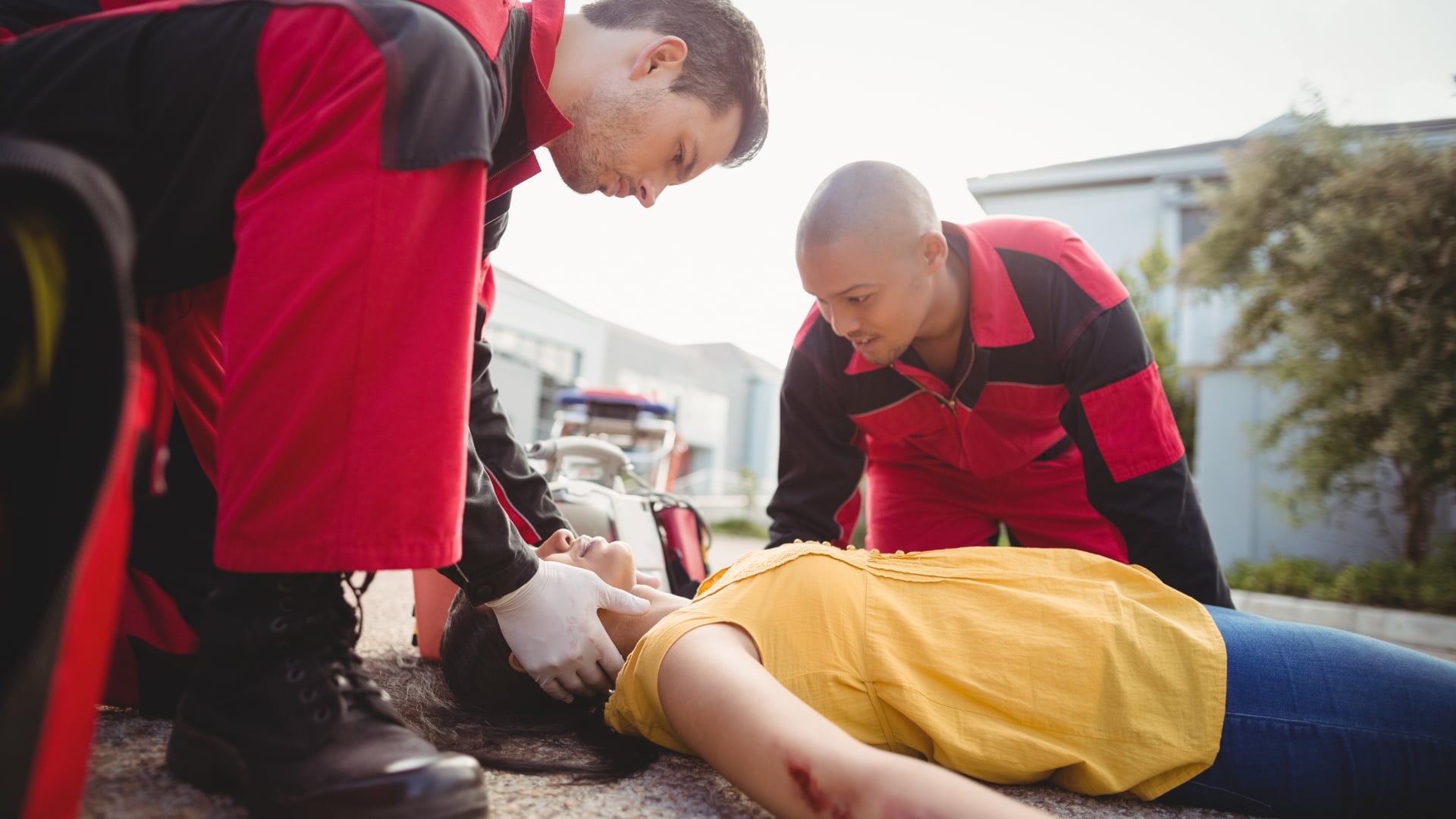
An Automated External Defibrillator (AED) is a device that saves lives. It helps people in sudden cardiac arrest (SCA). This is a serious condition where the heart stops beating suddenly. This interruption in heartbeat can be fatal within minutes if not treated immediately. AEDs deliver a controlled electric shock to the heart. This can restore a normal rhythm and improve survival chances until help arrives.
Sudden cardiac arrest (SCA) is a leading cause of death in the U.S. It claims over 350,000 lives each year. It can hit anyone. Age, gender, or health doesn’t matter. Even healthy-looking people can be affected.
Every minute after a sudden cardiac arrest cuts survival chances by up to 10%. So, acting quickly is vital. Using an AED without delay can greatly improve the outcome. It should be part of the response right away.
What is an AED?
An AED, or Automated External Defibrillator, is a small, portable device. It is used in sudden cardiac arrest. It checks heart activity and can give a controlled electric shock if needed. This shock can restore a normal heart rhythm. It also improves the chances of survival in critical moments.
Before using an AED.
When someone suddenly collapses and shows no response, quick action is vital. Call emergency services right away. Start hands-only CPR and use an AED quickly. This helps restore their heartbeat and boosts their chances of survival.
STEP 1 – CALL: Recognize cardiac arrest and call 911.
Before offering help, conduct a swift check to ensure that the area is safe. If the person is unresponsive and not breathing normally, they may be in cardiac arrest. Call 911 immediately if a phone is nearby, or direct someone else to call, then begin CPR without delay.
The American Heart Association says CPR is vital during cardiac arrest. It should go on without stopping until a defibrillator is ready.
STEP 2 – PUSH: Perform CPR
Start CPR by pushing hard and fast in the center of the chest. Meanwhile, one person should call 911, and another should get the AED.
STEP 3 – SHOCK
The American Heart Association says that using a defibrillator right away can greatly improve survival chances during cardiac arrest. Once the AED is available, it should be used right away by following its guided prompts.
How To Use an AED on an Adult
- Turn on the AED and follow the audio instructions.
- Remove all clothing surrounding the patient’s chest (including bra).
- Apply the included electrode pads to the person’s bare skin. Make sure the person’s chest is dry.
- Allow the AED to analyze the person’s heart rhythm. Make sure no one, including you, is touching the victim. Touching the victim can interrupt the AED’s analysis.
- Deliver a shock (if needed): If the AED determines that the patient is in cardiac arrest and that a shock is needed, how it delivers the shock depends on whether the AED is a semi-automatic or fully-automatic model.
An automatic AED will charge itself and alert you to stay away if a shock is needed. It will then deliver the shock on its own after a short countdown—no button needed.
A semi-automatic AED charges when a shock is needed. Then, it prompts you to press a marked, flashing button to deliver the shock. Be careful not to confuse it with the power button during the emergency.
Make sure everyone stays back when the AED shocks. This prevents interference and keeps everyone safe.
- Perform CPR and reanalyze. AEDs follow the American Heart Association’s guidelines. This includes doing two minutes of CPR before checking the heart rhythm. Always listen to the AED’s prompts for when to continue CPR or give another shock.
- Keep following the AED’s instructions until emergency medical services arrive and take over.
How to Use an AED on a Child
When using an AED on a child, check if it needs separate pediatric pads or includes a built-in attenuator. These child-specific pads work like adult pads. They let the device check the heart and give a shock if needed.
The main difference when using an AED on a child is the reduced shock energy. The device typically lowers the standard 150 joules for adults to around 50 joules for kids.
Some AED models have lower shock levels for children. This feature may come with special pediatric pads or can be turned on with a button, key, or switch on the device.
- If the AED has child pads, attach them during the emergency. Then, turn on the device. Follow the voice instructions like you would for an adult.
- If the AED has the same pads for adults and kids, press the button for pediatric mode.
Steps for Using an AED on a Child
- Turn on the AED and follow the audio instructions.
- Remove all clothing surrounding the patient’s chest and ensure their skin is dry.
- Press the child button or insert the child key into the AED.
- Attach the pediatric pads, if available.
For kids, AED pads go in a front-and-back position. One pad is in the center of the chest, and the other is on the back.
Always refer to your AED’s manual for exact pad placement instructions. If the manual isn’t available, most pads include images that show where to position them on the body.
- Allow the AED to analyze the child’s heart rhythm.
- Deliver a shock (if needed): If the AED finds cardiac arrest and suggests a shock, make sure no one is touching the patient during the shock. This helps avoid injury and ensures the shock is effective.
- Perform CPR and re-analyze. AEDs follow the American Heart Association’s guidelines. They recommend doing CPR for two minutes before checking the heart rhythm. Always follow the AED’s voice prompts throughout the process.
- Continue listening to the AED until EMS arrives and takes over the rescue.
If the AED doesn’t find a shockable rhythm, keep doing CPR. Don’t stop until emergency responders arrive, as you would for an adult.
When do I need to use an AED?
Someone uses an AED in sudden cardiac arrest. This is when the heart stops working properly. This often happens because of an irregular or fast heartbeat. Ventricular fibrillation and ventricular tachycardia can stop the heart from pumping blood correctly. A defibrillator helps restore a normal rhythm by delivering a controlled shock.
Remember, a defibrillator must only be used on a person who is unresponsive and not breathing normally.
5 things to know about using an AED
- An AED is easy to use.
- An AED helps guide you in CPR.
- An AED gives step-by-step instructions on what to do and where to place the pads.
- An AED can be used by anyone.
- An AED gives someone suffering from a sudden cardiac arrest the best chance of survival!
How does a defibrillator work?
The design of an AED ensures easy use by guiding you with clear audio and visual prompts. After attaching electrodes to the chest, the device checks the heart’s rhythm. It then decides if a shock is necessary. If it does, you’ll see a message to stand clear. Then, press the shock button. This will send an electric pulse to restore a normal heartbeat.
FAQs
What does AED stand for, and what is its medical meaning?
AED stands for Automated External Defibrillator. It is a portable device that checks the heart’s rhythm. It can deliver an electric shock to restore a normal heartbeat during sudden cardiac arrest if necessary.
Why is an AED needed in an emergency?
An AED is important. It quickly checks a person’s heart rhythm and sees if defibrillation is needed. It delivers a crucial electric shock that can restart the heart. This increases the chances of survival during cardiac arrest.
When should the rescuer operating the AED clear the victim?
The rescuer should clear the victim when the AED tells them to. This usually happens right before the device gives a shock. Stay clear for the rescuer’s safety. This lets the shock work well without any interference.
How do you use an AED on an adult, and where should the pads be placed?
Place one AED electrode pad on the upper right side of the chest, below the collarbone. Then, put the other pad on the lower left side, a few inches below the armpit. This setup allows the AED to analyze the heart rhythm accurately and deliver a shock if needed.
Is an AED easy to use for someone with no medical background?
Yes, AEDs are designed for anyone to use, even without medical training. They give clear voice and visual instructions. This helps users with each step, from placing the pad to delivering a shock if needed.
Conclusion
In a cardiac emergency, every second matters—and knowing how to use an AED can save a life. These devices are designed to be easy to use. They work well and are available for everyone, even those without medical training. Knowing when and how to act is key. Place the pads correctly and clear the victim at the right time. This can make a big difference in the first minutes before help arrives. Knowing how AEDs work is key. It boosts your confidence in emergencies.
Disclaimer for information purposes only:
The information provided on this website is intended for general educational and informational purposes only. It is not medical advice and should not be used as a substitute for professional diagnosis, treatment, or care. Always consult a qualified healthcare or medical professional regarding any health-related questions or concerns.
While we strive to ensure the information shared is accurate and up to date, no guarantees are made regarding completeness, accuracy, or applicability to any individual situation. Use of this content is at the reader’s sole discretion and risk.
This website is part of the Response Ready family of emergency preparedness and training resources, including CPR & first aid training and compliance services, AED sales and program support, AED program management software, and medical oversight solutions provided through our affiliated platforms:
• CPR1.com
• AEDLeader.com
• AEDTotalSolution.com
• ResponseReady.com
By accessing or using this website, you agree to release, indemnify, and hold harmless the website owners, authors, contributors, and affiliated entities from any claims, losses, damages, or liabilities arising from the use or reliance on the information presented.

Dr. Ann Jarris MD, MBA, FACEP
Save Lives with the Right AED Today
Buy Trusted AEDs Today!
Get Certified in CPR and Make a Difference!
Save Lives with the Right AED Today

- Published