

Cardiac arrest, heart attack, and stroke are often mixed up. Yet, they are different emergencies. Each has unique causes, symptoms, and treatments. It’s important to know how to identify each condition. A quick and accurate response can greatly boost survival and recovery chances. Recognizing these differences could be lifesaving in a critical moment.
Cardiac arrest is when the heart suddenly stops beating. This happens because of an electrical failure. Immediate action is needed to prevent death. A heart attack, in contrast, results from blocked blood flow to the heart muscle. A stroke is urgent. It happens when blood flow to the brain is blocked.
The American Heart Association says that every year, hundreds of thousands of cardiac arrests occur outside hospitals in the U.S. Raising awareness about these events helps people understand them better. This can lead to quicker responses and save more lives.
What is a heart attack?
A heart attack, or myocardial infarction, occurs when blood flow to the heart is blocked. This blockage happens in the coronary arteries. This interruption can harm the heart muscle. If the blockage isn’t cleared quickly, the affected tissue may start to die. Early medical care is critical to cut lasting damage.
A heart attack affects the heart muscle. In contrast, cardiac arrest stops the heart completely. A stroke, thus, impacts the brain. Without quick medical help, heart damage increases over time. Thus, early intervention is crucial.
Symptoms of a heart attack
Heart attack symptoms don’t always look the same in everyone. Men often show classic signs like chest pain. Women, yet, may have less obvious symptoms. This makes early recognition harder.
- Chest pressure, pain, or discomfort.
- Upper body pain (i.e., in the arms, back, neck, and jaw)
- Shortness of breath
- Nausea
- Dizziness and/or weakness
The discomfort may persist for several minutes or may fade and return intermittently.
Women, like men, can feel chest pain during a heart attack. But they often have other symptoms too. These can include nausea, shortness of breath, fatigue, back pain, or sweating. These signs are often missed.
What to Do if Someone Suffers a Heart Attack
If a heart attack is suspected, call 911 right away. Getting medical help quickly can boost survival rates and reduce long-term damage.
While you wait for help, keep the person calm. Make sure they are comfortable and loosen any tight clothing. If they lose consciousness and stop breathing, begin CPR immediately.
Get certified in CPR
CPR & AED Training
3-hour in-person training with a 2-year nationally recognized certification.
CPR, AED & First Aid Certification
Instructor-led on-site. Practice on real manikins and AED trainers.
What is cardiac arrest?
Cardiac arrest, or sudden cardiac arrest, is a serious emergency. It happens when the heart suddenly stops beating. This cuts off blood flow to the brain and body.
Cardiac arrest is different from a heart attack. People often liken a heart attack to a plumbing issue. In contrast, cardiac arrest resembles an electrical failure. It occurs when a sudden issue in the heart’s electrical system causes it to stop beating properly. This stops blood from flowing to the body.
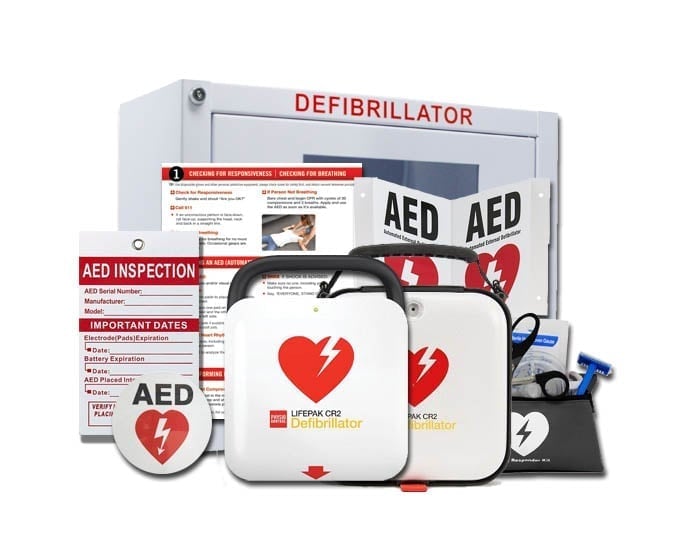
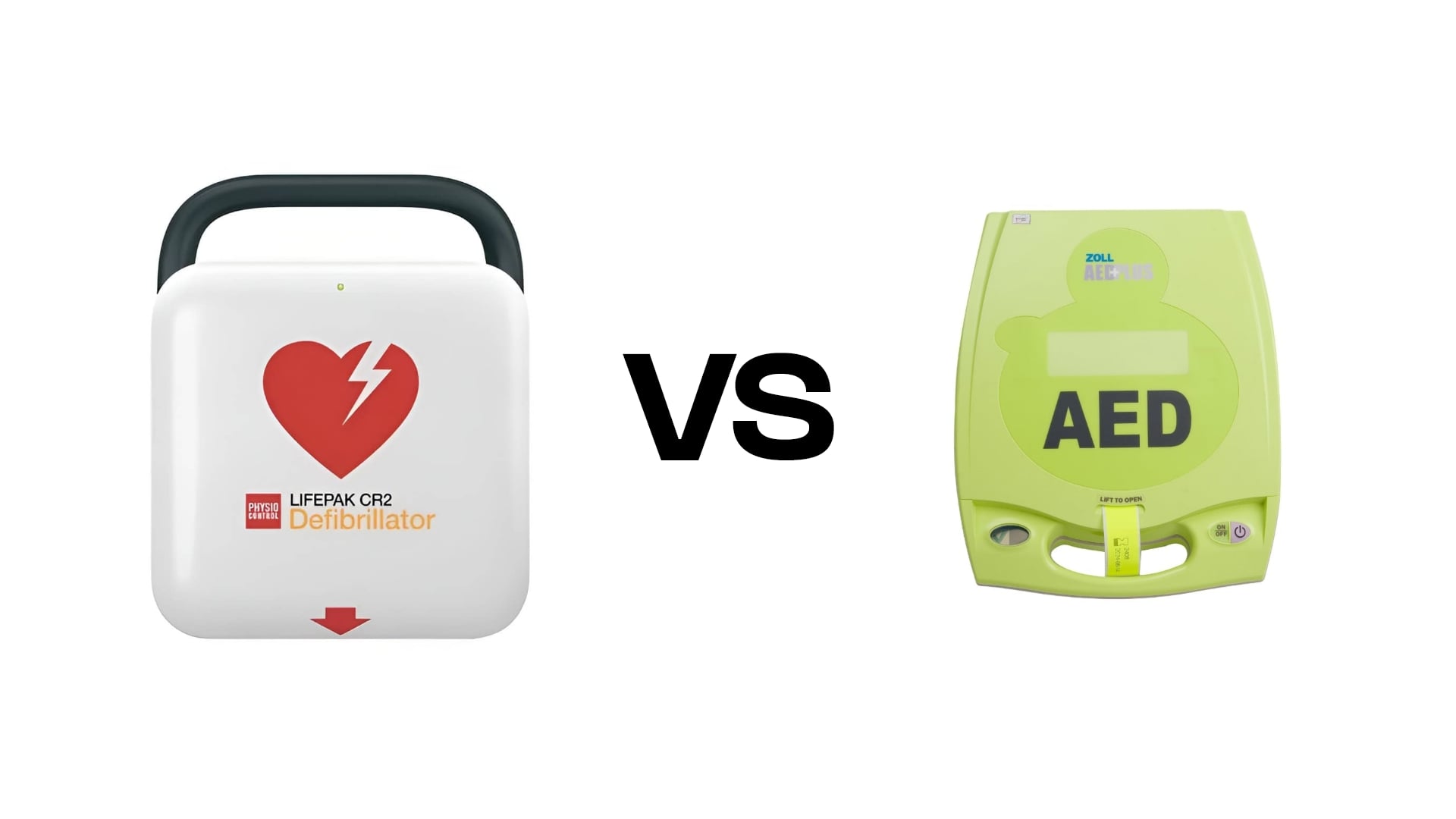
Cardiac arrest can be deadly in minutes. So, it’s crucial to start CPR right away. Using a defibrillator can help restore the heart’s rhythm.
Symptoms of a cardiac arrest
Cardiac arrest can happen suddenly. It leads to a collapse, loss of consciousness, and no breathing. Some people may feel chest pain or dizziness before an event, but others might not have any symptoms at all.
What to Do if Someone Suffers a Cardiac Arrest
If a person is unresponsive and not breathing, act immediately and treat it as cardiac arrest. Quick action in these critical moments can save a life.
- Call 911
- Begin Hands-Only CPR, and
- Use an AED.
CPR can help keep blood flowing for a while. Yet, only a shock from an AED can restart the heart and bring back a normal rhythm during cardiac arrest.
RECOMMENDED
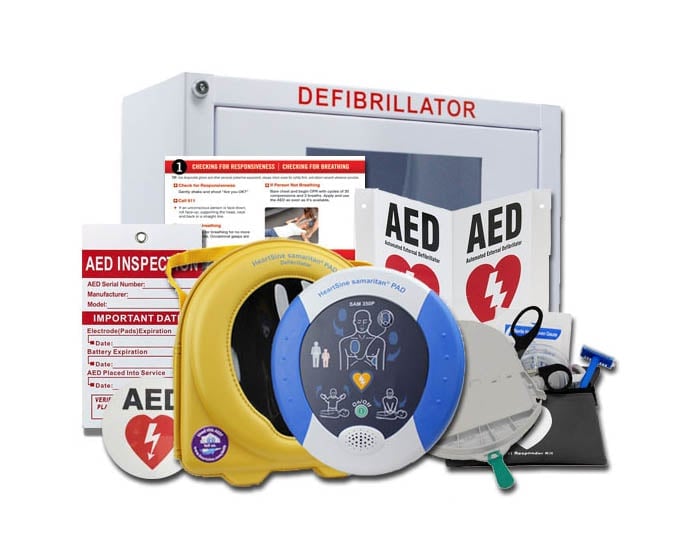
HeartSine Samaritan 350P AED Package
Compact, fully-automatic AED designed for first-time responders. Pads, battery, carry case and wall sign included.
What is a stroke?
A stroke, or brain attack, occurs when blood flow to the brain stops. This interruption quickly damages brain cells. Most strokes are ischemic, caused by a blockage in a vessel that supplies the brain.
A hemorrhagic stroke is less common. It occurs when a blood vessel in the brain bursts. This causes bleeding into nearby tissues.
Symptoms of a stroke.
A stroke can cause sudden weakness or numbness, often on one side of the face or body. It can cause confusion, slurred speech, and trouble understanding others. You might also have issues with balance or walking.
What to Do if Someone Suffers a Stroke
Stroke symptoms, like those of a heart attack or cardiac arrest, need quick action. If you see any signs, call 911 right away.
Using the acronym FAST is an easy way to recognize and respond to a stroke quickly.
- Face: Have the person smile and watch closely—does one side of their face appear to droop?
- Arms: Ask them to lift both arms—does one arm slowly drop or struggle to stay raised?
- Speech: Have them say a simple phrase—does their speech sound slurred or unusual?
- Time: If you notice any of these signs, call 911 right away.
FAQs
What’s worse, a stroke or a heart attack?
A stroke and a heart attack are both serious emergencies. A stroke can cause long-term disability from brain damage. In contrast, a heart attack (MI) mainly impacts the heart muscle. The severity depends on how quickly each condition is treated. It depends on the damage and how fast help comes. So, whether a stroke or heart attack is worse varies.
Is cardiac arrest and a heart attack the same thing?
No, they are not the same. A heart attack occurs when blood can’t reach the heart. Cardiac arrest occurs when the heart suddenly stops beating. This often happens because of electrical problems. Many people ask if cardiac arrest and a heart attack are the same. Knowing the difference can save lives.
What’s worse, a stroke or a heart attack if left untreated?
If left untreated, both conditions can be fatal. Yet, a stroke can cause permanent brain damage faster than a heart attack can damage the heart. This makes the debate of what is worse—a stroke or a heart attack—dependent on how quickly medical help is given.
Does your body warn you before a heart attack?
Chest pain, shortness of breath, or discomfort in the upper body often signals a heart attack. Yet, not everyone experiences these signs. So, it’s crucial to watch for any unusual symptoms.
Which is more serious: a heart attack or a stroke?
Heart attacks and strokes are urgent emergencies. The severity of each often relies on how quickly treatment is given and the extent of damage done. Each remains a major cause of death in the United States.

Not sure which AED or training fits your needs?
An MDSI medical-oversight expert walks you through it — no obligation.
Talk to an expert →Conclusion
It’s important to understand how a heart attack, cardiac arrest, and stroke differ. This knowledge helps you respond quickly. Though all are medical emergencies, each has unique causes, signs, and treatments. Prompt recognition and calling 911 can make a lifesaving difference.