

- Published
What Is Hands-Only CPR? How It Works & Step-by-Step Guide
Picture yourself walking through a busy mall when a sudden cry draws your attention. A person lies motionless on the floor. Onlookers gather around. Some record the scene, but no one steps forward to help. Minutes go by as everyone waits for the paramedics. Later, they find out the victim had a cardiac arrest outside the hospital. In that moment, a simple action from you could have made the difference.
In 2015, the American Heart Association reported that over 356,000 people in the U.S. had cardiac arrests outside hospitals. Almost 90% of these cases ended in death. Survival rates go up a lot when bystanders perform CPR. Still, the response is often low. Fewer than one in five Americans is trained in CPR. That year, over a third of cardiac arrest victims received CPR before help arrived.
Have you ever considered getting CPR certified? Hands-only CPR is an easy technique anyone can learn, even without medical training. If more people know it, we could save more lives in emergencies.
What is Hands-Only CPR?
Hands-only CPR is as effective as traditional CPR in the first minutes of cardiac arrest. The American Heart Association says this applies at home, work, or in public. Focusing just on chest compressions means anyone can help. They don’t need to worry about rescue breaths. This simple action can greatly boost someone’s chances of survival.
Hands-only CPR involves giving strong, quick compressions in the center of the chest. This helps keep blood flowing. This simple action helps sustain life until emergency professionals arrive with advanced care.
The American Heart Association advises using full CPR with compressions and rescue breaths for infants, children, drowning victims, overdose cases, or anyone whose collapse is linked to breathing difficulties.
Why is Hands-Only CPR Important?
- Doing CPR right away can really help a cardiac arrest victim survive, often doubling or tripling their chances.
- Hands-only CPR doesn’t use rescue breaths. This means it requires less effort, so rescuers can give chest compressions longer.
- Hands-only CPR helps maintain blood flow to the brain when the heart stops. The American Heart Association stresses that continuous chest compressions are key. It’s important to ensure oxygen flows to key organs instead of taking extra breaths.
- Providing CPR quickly is a vital step in the chain of survival for cardiac arrest victims.
Benefits of Hands-Only CPR
- Hands-only CPR can greatly boost a person’s chance of survival, even if not done perfectly.
- Learning hands-only CPR is quicker and easier to master than traditional CPR.
- Hands-only CPR lets bystanders help during emergencies. It’s safer, especially when close contact should be limited.
If you find someone unconscious and struggling to breathe, don’t let hesitation stop you. Call 911 right away, start hands-only CPR, and use an AED if available to give them the best chance of survival.
What to do Before Giving CPR
- Always check that the surroundings are secure before approaching to give help.
- Assess whether the person is responsive and breathing normally. If they are unresponsive or only gasping, CPR is urgently needed.
- Dial 911 immediately. If others are close, ask them to call while you start CPR. If you’re alone, use your phone on speaker to begin compressions right away.
How to Perform Hands-Only CPR
- Push! Begin chest compressions at a steady pace of 100 to 120 per minute. For adults and teens, press down about two inches, while infants require a gentler depth of around 1.5 inches. Staying within these ranges gives the best chance of survival.
- Once CPR starts, use an AED right away if you have one. Follow its prompts to give a shock if needed.
- Keep performing CPR until emergency medical professionals take over.
FAQs
Is hands-only CPR better than traditional CPR?
Hands-only CPR is easier to learn than traditional methods. It often feels less intimidating for bystanders, who might hesitate with mouth-to-mouth. The American Heart Association says that if an adult collapses, call 911. Then, start firm, quick chest compressions. Keep a steady rhythm until help arrives.
How long do you perform hands-only CPR on a victim?
Keep doing hands-only CPR until emergency responders arrive or the person wakes up. If you get tired, switch with another bystander. This way, compressions can keep going without stopping.
Which of these best describes the purpose of hands-only CPR?
The main purpose of hands-only CPR is to keep blood flowing to the brain and vital organs after the heart stops. Continuous chest compressions keep blood flowing until help arrives, even without rescue breaths.
What is the purpose of hands-only CPR?
The purpose of hands-only CPR is to give bystanders a simple, effective way to act quickly in an emergency. Focusing only on chest compressions can boost a victim’s chances of survival. Anyone can do this, even without medical training.
How do you do CPR without breaths?
Hands-only CPR, or CPR without breaths, means pushing hard and fast on the chest. You should do this at a rate of 100–120 compressions per minute. This method is for adults who collapse and aren’t breathing normally.
Where do you place your hands for CPR?
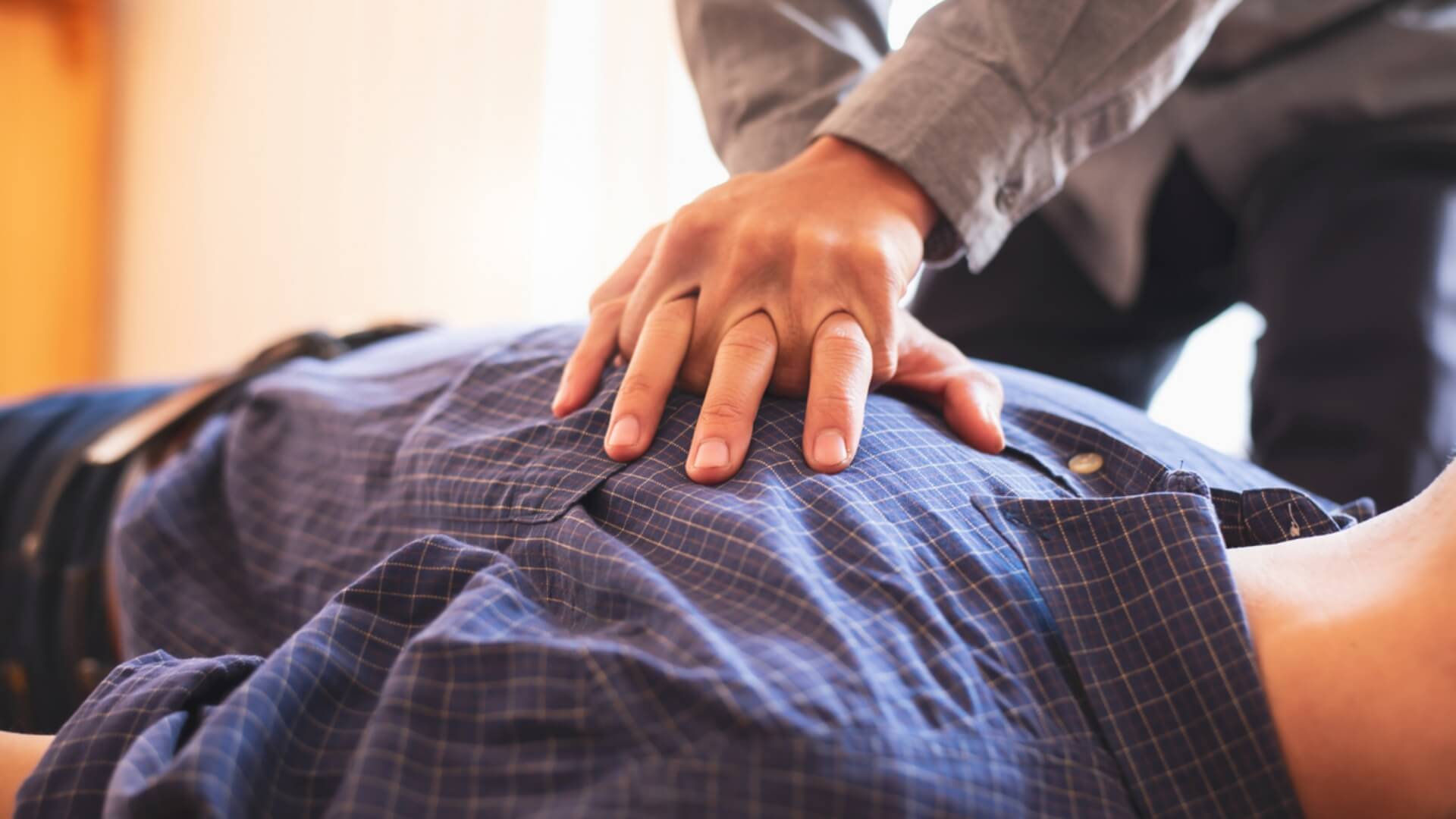
When doing CPR, place one hand’s heel on the center of the chest, between the nipples. Then, put your other hand on top. Keep your arms straight and use your body weight to press down firmly with each compression.
Conclusion
In an emergency, every second matters. Knowing how to do hands-only CPR can save a life. This easy technique keeps blood flowing until help arrives. Anyone can learn and use it. Call 911, place your hands correctly, and push down hard and steady. This gives someone a real chance to survive. The more people who act, the more lives can be saved. So, take time to learn hands-only CPR. Be ready to help when it matters most.
Disclaimer for information purposes only:
The information provided on this website is intended for general educational and informational purposes only. It is not medical advice and should not be used as a substitute for professional diagnosis, treatment, or care. Always consult a qualified healthcare or medical professional regarding any health-related questions or concerns.
While we strive to ensure the information shared is accurate and up to date, no guarantees are made regarding completeness, accuracy, or applicability to any individual situation. Use of this content is at the reader’s sole discretion and risk.
This website is part of the Response Ready family of emergency preparedness and training resources, including CPR & first aid training and compliance services, AED sales and program support, AED program management software, and medical oversight solutions provided through our affiliated platforms:
• CPR1.com
• AEDLeader.com
• AEDTotalSolution.com
• ResponseReady.com
By accessing or using this website, you agree to release, indemnify, and hold harmless the website owners, authors, contributors, and affiliated entities from any claims, losses, damages, or liabilities arising from the use or reliance on the information presented.

Dr. Ann Jarris MD, MBA, FACEP
Save Lives with the Right AED Today
Buy Trusted AEDs Today!
Get Certified in CPR and Make a Difference!
Save Lives with the Right AED Today

- Published