
When comparing defibrillators, understanding the difference between monophasic and biphasic technology is essential. Early defibrillators gave a single, one-way shock. This change transformed cardiac care back then. Modern AEDs use biphasic waveforms. These send current in two directions, making them more efficient and safer. This advancement lets today’s devices perform better with less energy. As a result, equipment is lighter, smarter, and more reliable. Knowing if an AED is monophasic or biphasic shows how much life-saving tech has improved.
Monophasic and biphasic defibrillation differ mainly in how the electrical current flows. Monophasic sends current in one direction, but biphasic sends it back and forth. A monophasic shock moves in one continuous path. In contrast, a biphasic shock changes direction halfway. This allows it to deliver energy in two phases, which makes it more efficient.
Defibrillators used to work with monophasic technology. Biphasic defibrillation is the standard in the U.S. today. Knowing how AEDs have changed from older methods can help users feel more confident in cardiac emergencies.
What Are Defibrillator Waveforms?
When viewing an ECG, the heart’s rhythm appears as a series of peaks and waves. A normal, consistent pattern of these movements is known in medical terms as a sinus rhythm.
Alternating current (AC) emerged in the late 1800s as an alternative to direct current (DC). Its flowing waveform looks like the natural electrical rhythm of the human heartbeat.
Even low-voltage shocks can disrupt the heart’s rhythm. Ventricular fibrillation can occur, resulting in sudden cardiac arrest and potentially death. This risk is particularly high for utility workers.
In 1956, Dr. Paul Zoll showed that you can fix ventricular fibrillation by using alternating current on the chest. This method replaced previous techniques that needed direct shocks to the heart.
Research from the Soviet Union and Western scientists showed that external defibrillation can use direct current or alternating current. This finding helped develop today’s automated external defibrillators.
Get certified in CPR
CPR & AED Training
3-hour in-person training with a 2-year nationally recognized certification.
CPR, AED & First Aid Certification
Instructor-led on-site. Practice on real manikins and AED trainers.
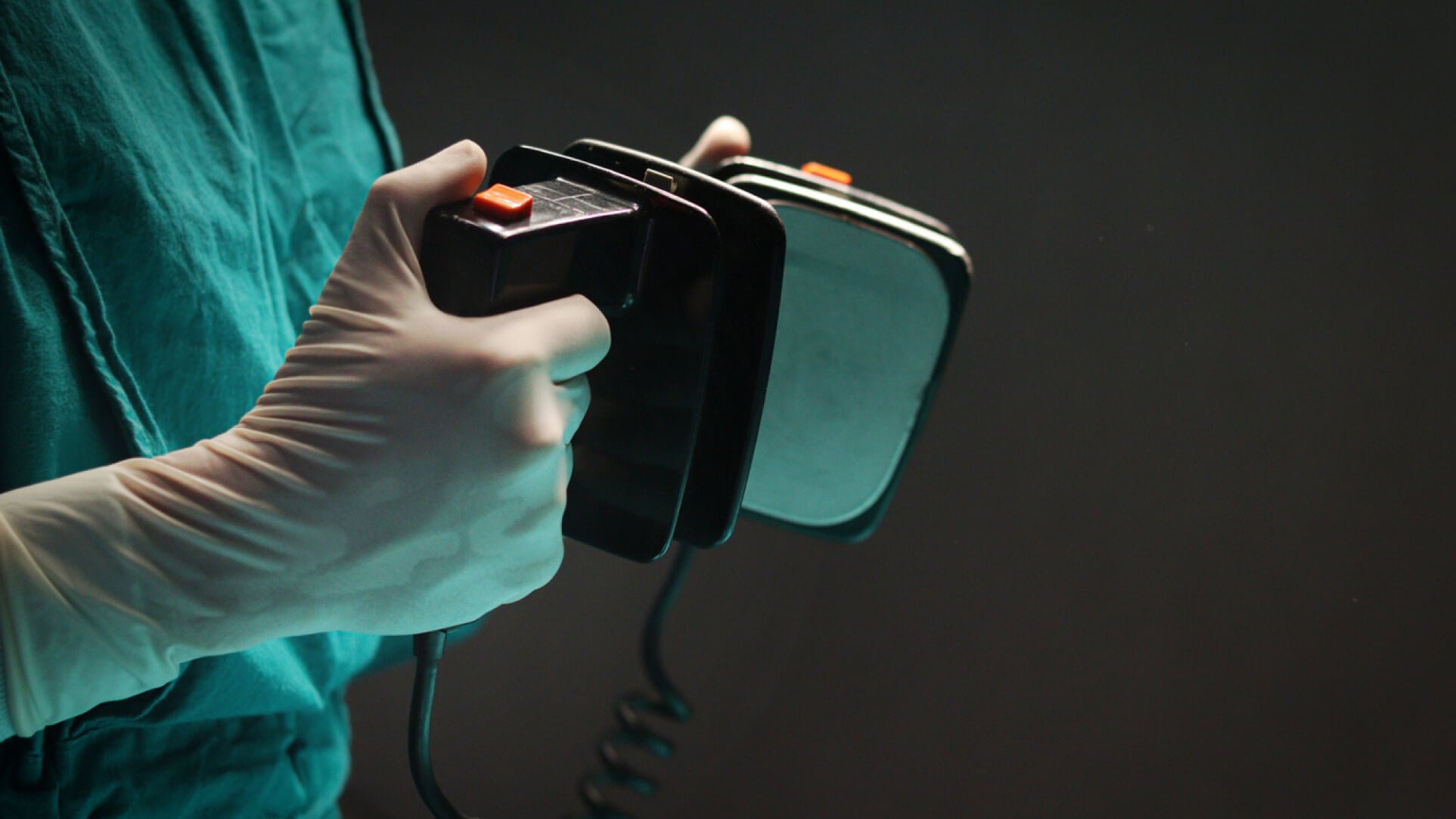
Explaining Monophasic Defibrillation
The first external defibrillators used monophasic waveforms. They delivered current in one direction through the heart. This approach needs more energy. It usually starts at 200 joules for adults and goes up to 360 joules. Children need lower doses.
Monophasic shocks can stop harmful heart rhythms, such as ventricular fibrillation. This helps the heart return to a normal beat. In a 1999 study with anesthetized pigs, this method restored circulation in 8 out of 10 cases.
The Original Standard: Damped Sine Waveforms
The earliest defibrillators were the first life-saving devices. They used a monophasic damped sine waveform. This waveform sent current in one direction between electrodes. This one-way shock effectively restored normal heart rhythm and remained standard for decades. Monophasic defibrillators have largely been replaced by safer biphasic models. Yet, they can still save lives when modern AEDs are not available. They also helped pave the way for today’s advanced technology.
Limitations of Early Defibrillators
Monophasic defibrillators need high energy. They usually start at 200 joules and can go up to 360 joules for adults. While such shocks can restart the heart, they also increase the risk of muscle damage. Studies indicate that biphasic technology improves survival rates and decreases heart damage. This has pushed the move toward safer, more effective modern defibrillation methods.
Explaining Biphasic Defibrillation
In the 1940s, Gurvich and Yuniev led research on biphasic waveforms for defibrillation. Biphasic currents are different from monophasic shocks. They reverse direction during delivery. This makes them more efficient and uses less energy. The first shock needs about 120 joules. The second shock requires around 200 joules. Today, this advanced technology powers most implantable cardioverter-defibrillators, hospital units, and external AEDs.
How Two-Phase Shocks Work
A biphasic shock sends current in two directions. First, it flows from one AED pad to the other. Then, it reverses back. This two-phase process quickly restores a normal heart rhythm. It uses less energy, typically between 120 and 200 joules. Biphasic defibrillators use less energy. This makes them safer and gentler on the heart. That’s why they are the top choice in modern AED technology.
Biphasic vs. Monophasic: What Are the Advantages?
Biphasic defibrillators are more efficient and safer. This is why they are now preferred over older monophasic models in today’s medical practice.
1. Biphasic defibrillation is less likely to burn the patient.
Biphasic defibrillation uses lower energy levels. This lowers the risk of skin burns. This is important since many shocks are often needed in resuscitation.
2. Biphasic waveforms take a smaller toll on battery life.
Lower energy use in each shock makes the battery last longer. This allows for more discharges per charge and helps design smaller, portable AEDs. This portability ensures quicker access during cardiac emergencies.
3. Biphasic waveform defibrillation may be more effective.
Earlier animal studies showed that biphasic shocks revived all subjects. They also had a smaller effect on heart function than monophasic shocks. A Japanese study from 2005 to 2007 found that one-month survival rates after cardiac arrest were about the same for both methods.
Today, most defibrillators work with biphasic technology. Still, people are discussing whether to phase out the older monophasic models. For the most up-to-date guidance, consult the American Heart Association’s current recommendations.
4. Biphasic shocks cause less stress to the heart muscle.
Defibrillation isn’t about delivering the strongest shock but the most effective one. Biphasic AEDs use less energy. They need about 120 to 200 joules, while monophasic devices need 200 to 360 joules. This lower energy is easier on the heart. It causes less disruption to rhythm and blood pressure after resuscitation. Biphasic shocks reduce cardiac stress. This leads to better recovery outcomes. That’s why they are the preferred choice in today’s defibrillator technology.
5. Biphasic technology is more effective for different body types.
The human body naturally resists electrical current. This is called transthoracic impedance. It changes based on body size, muscle mass, and lung capacity. Monophasic shocks often face higher resistance. In contrast, biphasic defibrillators adjust by reversing the current flow. This change lets them give a steadier and more effective shock for all body types. Biphasic AEDs are versatile and reliable. They are the best choice for public areas, schools, and workplaces. They ensure dependable performance in any emergency.
RECOMMENDED
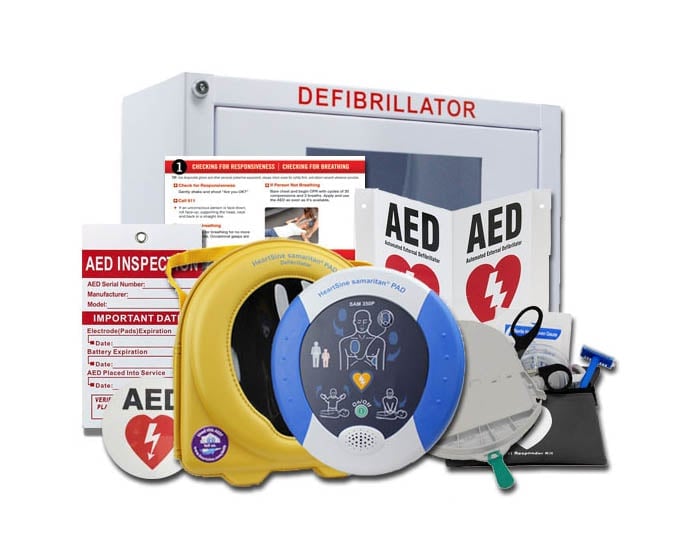
HeartSine Samaritan 350P AED Package
Compact, fully-automatic AED designed for first-time responders. Pads, battery, carry case and wall sign included.
Popular biphasic AEDs on the market
Biphasic waveform technology has been standard in U.S. AEDs since 1996. Today, almost all new models use this efficient method.
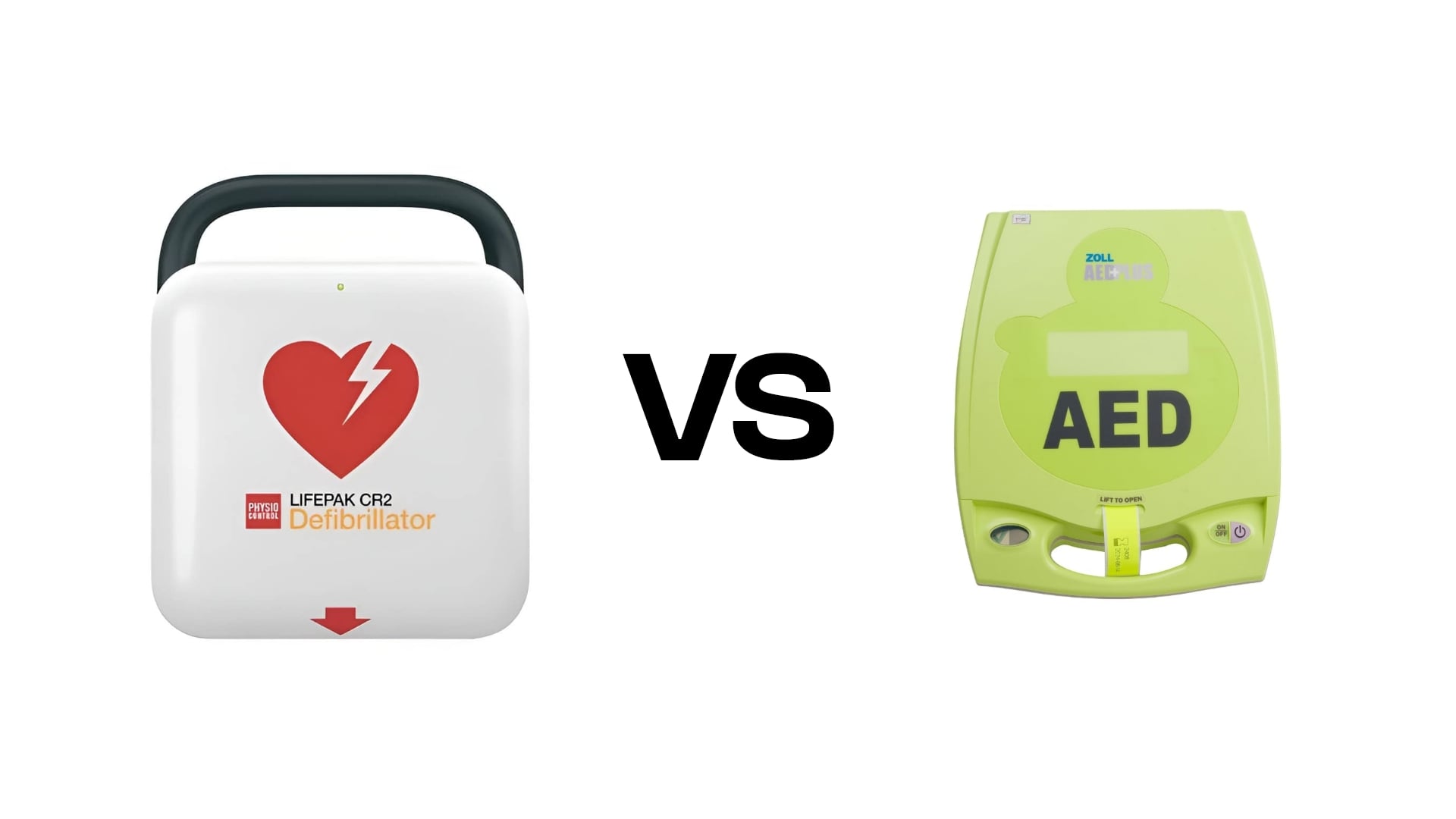
ZOLL AED Plus
The ZOLL AED Plus honors a defibrillation pioneer. It uses rectilinear biphasic waveform technology. This tech works for an impedance range of 0 to 300 ohms. It delivers preset energy levels tailored to effective biphasic shocks.
Adults: Shock 1: 120 J; Shock 2: 150 J; Shock 3: 200 J
Children: Shock 1: 50 J; Shock 2: 75 J; Shock 3: 80 J
Philips HeartStart FRx
The Philips HeartStart FRx uses a biphasic waveform. It automatically adjusts energy output based on the patient’s impedance. When resistance goes up, the device sends a stronger shock. This helps restore a normal heart rhythm.
When impedance is low, around 25 ohms, the device gives 128 joules. Each phase lasts about 2.8 milliseconds. At higher resistances, around 175 ohms, output rises to 158 joules. Phase durations extend to 12 and 8 milliseconds.
In children, biphasic shocks adapt to their impedance. They deliver about 43 joules for 2.8 milliseconds. Then, they increase to around 52 joules for 8 milliseconds.
HeartSine Samaritan PAD
The HeartSine Samaritan PAD series has a unique method for delivering shocks. This series includes models 350P, 360P, and 450P.
The HeartSine Samaritan PAD features a SCOPE™ biphasic waveform. This technology changes energy output, slope, and duration based on the patient’s impedance. This device works with impedance from 20 to 230 ohms. It is pre-set with energy levels made for effective defibrillation.
Adults: Shock 1: 150 J; Shock 2: 150 J; Shock 3: 200 J
Children: Shock 1: 50 J; Shock 2: 50 J; Shock 3: 50 J
With a new battery or after six uses, the device recharges in about six seconds for a 150-joule shock. It takes around eight seconds for a 200-joule shock.
Understanding Shock Levels Across Brands
Shock levels differ among AED brands. Yet, each device automatically adjusts energy output. It does this by analyzing heart rhythm and patient impedance. All models are designed to operate within a most of 200 joules.
Monophasic vs. Biphasic: Your Questions Answered
Biphasic and monophasic shocks can fix ventricular fibrillation and pulseless ventricular tachycardia. Yet, biphasic defibrillation works with less energy. That’s why it is the preferred choice in modern AEDs.
If you manage an AED in a school, workplace, or community, follow U.S. maintenance guidelines. Replace batteries before they expire. This way, the device will deliver an effective shock when needed.
For organizations with many U.S. locations, managing AED programs well is key. It ensures compliance with legal and technical standards. Plus, it keeps devices ready for use. A timely shock from a monophasic or biphasic AED, along with proper CPR, can save lives.
FAQs
What is the difference between monophasic vs biphasic defibrillators?
Monophasic and biphasic defibrillators differ in how electrical current moves through the heart. Monophasic defibs send current in one direction. Biphasic defibs reverse the flow halfway. This makes biphasic defibs safer and more efficient.
Why is biphasic defibrillation more effective than monophasic?
Biphasic defibrillation is more effective than monophasic defibrillation. It uses lower energy levels and has higher success rates in restoring a normal heart rhythm. This makes biphasic AED devices the standard in modern medical practice.
How many joules does a biphasic defibrillator use?
A typical biphasic defibrillator delivers 120 to 200 joules. This range depends on the patient’s impedance. This lower energy level causes less damage to heart muscle than monophasic shocks. Those shocks can use up to 360 joules.
Is a biphasic AED safer than a monophasic model?
Yes, a biphasic AED is safer. It delivers controlled energy in two phases. This reduces skin burns and lowers the risk of cardiac injury. This technology also extends battery life and allows for more portable, reliable devices.
Are monophasic defibrillators still used today?
Although effective, monophasic and biphasic defibrillators are now considered outdated. Most new AEDs use biphasic technology. This technology gives better results. It also uses less energy and causes fewer complications.

Not sure which AED or training fits your needs?
An MDSI medical-oversight expert walks you through it — no obligation.
Talk to an expert →Conclusion
Understanding monophasic vs biphasic defibrillation is essential for choosing the right life-saving device. Biphasic AED technology can restore a normal heart rhythm, like other methods. Yet, it has become the global standard. This is because it is more efficient, safer, and needs less energy. A biphasic defibrillator uses fewer joules. This helps protect the heart and still delivers reliable results. Advances in medicine are changing cardiac care. Biphasic and monophasic defibrillators are key to this future.