
- Published
Home AEDs Save Lives: Here’s Why You Need One at Home Today
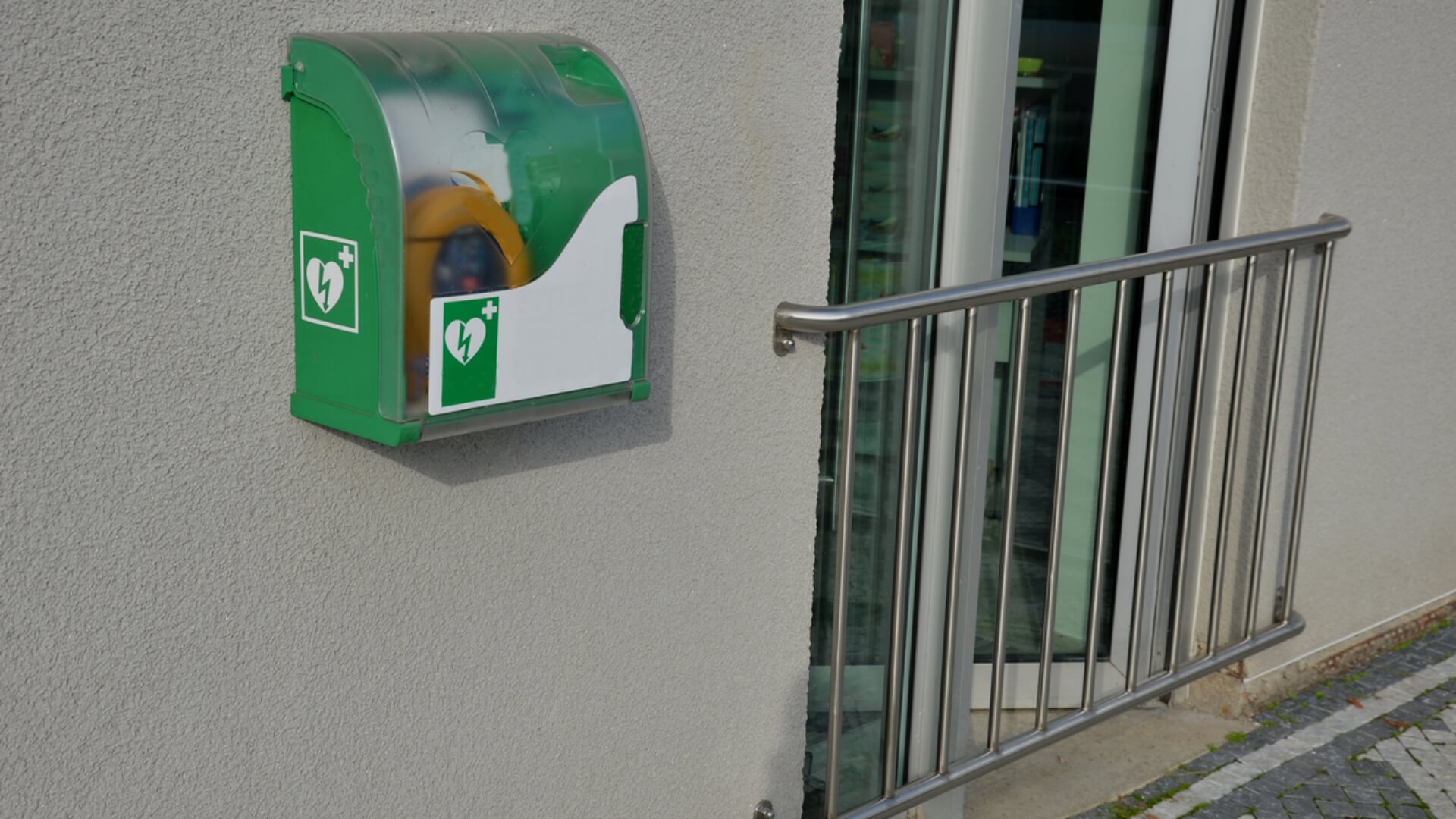
Before looking at the pros and cons of owning a home defibrillator, it’s crucial to understand what an AED does. These devices deliver a controlled electric shock to the heart during cardiac arrest. This helps save lives. They help restore a normal rhythm when every second matters. Grasping this function is important. It shows why an AED at home is crucial for emergency preparedness.
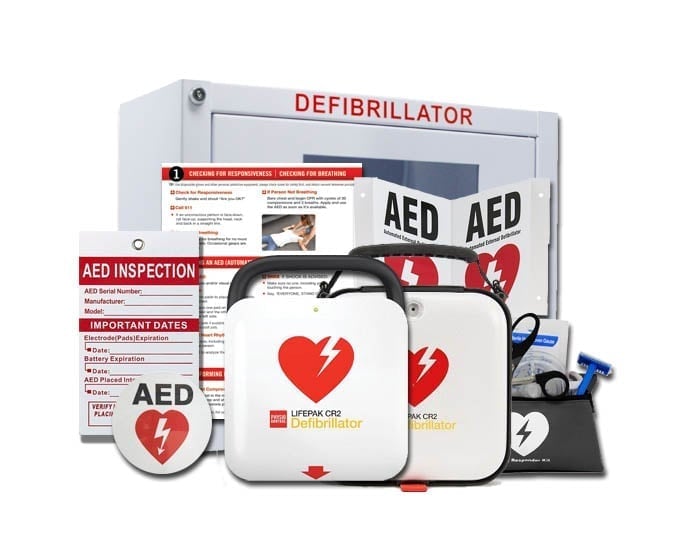
An Automated External Defibrillator (AED) is a vital device. It helps people in sudden cardiac arrest. This is when the heart stops beating without warning. This event can be deadly in minutes. An AED can help by giving a safe shock. This shock can restore a normal heart rhythm and save a life.
The Critical Statistics
Sudden cardiac arrest is a major health threat. It causes over 350,000 deaths each year in the United States. This makes it the top cause of death in the country.
Recent findings show that 70% of cardiac arrests happen at home. Most victims don’t survive until they receive emergency care. Each year, about 250,000 people lose their lives. That’s like erasing almost a third of Seattle’s population.
Why Time Matters
Sudden cardiac arrest happens when the heart suddenly stops. This cuts off oxygen-rich blood to the brain and other vital organs. This causes the person to collapse and lose responsiveness within seconds. With each passing minute, survival chances drop sharply by as much as 10%. The immediate use of an AED can significantly improve the outcome.
Anyone can use an AED.
It’s smart for medical professionals to have AEDs at home. Anyone can use these devices. You do not need a license or training. Studies and real-life cases show that even children can use them well in emergencies.
Who should buy an AED for the home?
Sudden cardiac arrest can happen anytime. It can affect anyone, no matter their age, gender, or health. Even those who appear perfectly healthy are not immune to its risks.
Priority Groups for Home AEDs
Every home should have an AED. For some people, it’s even more crucial to have one. Some groups are at higher risk. They should get a personal defibrillator right away.
- People with heart conditions or a family history of heart problems are at higher risk. They should be extra careful.
- Healthcare workers and first responders know how to use an AED well when necessary.
- Active people, or those with hobbies that have health risks, might find quick access to an AED helpful.
Risk Factors and Warning Signs
Sudden cardiac arrest can happen suddenly and without warning. This makes it hard to notice in time. This uncertainty shows that we must be ready and able to respond quickly when it arises.
High-Risk Conditions Include
- Known Cardiac Arrhythmia and Other Heart Conditions
- Family History of Cardiac Conditions
- Previous Warning Signs (chest pain, fainting, shortness of breath)
Informed AED Owners
EMTs, firefighters, police officers, and doctors know how to use AEDs. They are often called upon in emergencies, even when they’re not on duty. For them, having an AED at home adds an extra layer of readiness when others look to them for help.
Additional Groups to Consider AED Ownership
Frequent hosts of large gatherings
- People who take part in rural activities
- Pool owners
- Homeowner’s association board members/leaders
Where to Place Your Personal AED
Key Placement Guidelines
- Make the AED visible
- Ensure that it’s accessible
- Take it with you on the go
Suggested AED Locations
- In the hallway next to the thermostat
- On the garage wall
- In the glove box of your car (if the AED is small enough)
Choosing the Best AED for Home Use
Important Factors to Consider
1. AED size and weight
A home AED should be small and light. This makes it easy to carry and ensures it is ready for emergencies.
2. Price & Total Cost of Ownership (TCO)
Consider both:
- Initial buy price
- Long-term costs (replacement batteries, electrode pads)
3. Pediatric Capabilities
An ideal AED suits everyone, from infants to adults. It’s simpler to use if it has a child mode button rather than needing different pediatric pads.
4. Connectivity
Modern AEDs should offer:
- Automatic maintenance checks
- Status notifications
- Temperature monitoring
- Easy data access
FAQs
Can anyone buy an AED for home use?
Yes, anyone can sell an AED machine for home use. You don’t need a medical license to own or operate one. Manufacturers make personal AED defibrillators for everyone. They offer clear instructions and automatic features. These guide you step by step during an emergency.
Who should consider having a home defibrillator?
Sudden cardiac arrest can strike anyone. A home defibrillator is crucial for people with heart issues. It’s also important for those with a family history of heart disease or risky lifestyles. First responders, healthcare workers, and active families can enjoy having a personal AED at home.
How much does a home AED machine cost?
The cost of an AED varies depending on the brand and features, but most home defibrillators range from $1,000 to $2,500. This investment can be crucial during sudden cardiac arrest. Every second matters.
Are AED machines safe and easy to use at home?
Yes, home AED machines are easy to use. They are safe for anyone, even in stressful times. Many models offer voice prompts and visual instructions. They also have safety features, like child mode buttons. This makes them safe and suitable for both adults and children.
Why is it important to have an AED at home?
Most cardiac arrests happen at home and can strike suddenly. So, having a home AED boosts the chances of survival. These devices can give a life-saving shock. This shock helps restore a normal heart rhythm before help arrives.
Conclusion
Having an AED at home is a strong way to protect your loved ones from surprises. Most cardiac arrests occur at home. A personal AED defibrillator gives peace of mind and can save lives right away. A home defibrillator can save lives. If you’re a healthcare worker, a parent, or someone who wants to be ready, it’s essential. Every second counts in an emergency. Owning an AED is smart and life-saving. It’s accessible, easy to use, and getting more affordable.
Disclaimer for information purposes only:
The information provided on this website is intended for general educational and informational purposes only. It is not medical advice and should not be used as a substitute for professional diagnosis, treatment, or care. Always consult a qualified healthcare or medical professional regarding any health-related questions or concerns.
While we strive to ensure the information shared is accurate and up to date, no guarantees are made regarding completeness, accuracy, or applicability to any individual situation. Use of this content is at the reader’s sole discretion and risk.
This website is part of the Response Ready family of emergency preparedness and training resources, including CPR & first aid training and compliance services, AED sales and program support, AED program management software, and medical oversight solutions provided through our affiliated platforms:
• CPR1.com
• AEDLeader.com
• AEDTotalSolution.com
• ResponseReady.com
By accessing or using this website, you agree to release, indemnify, and hold harmless the website owners, authors, contributors, and affiliated entities from any claims, losses, damages, or liabilities arising from the use or reliance on the information presented.

Dr. Ann Jarris MD, MBA, FACEP
Save Lives with the Right AED Today
Buy Trusted AEDs Today!
Get Certified in CPR and Make a Difference!
Save Lives with the Right AED Today
- Published