

An arrhythmia happens when the heart beats irregularly. It can race too fast or slow down too much. Instead of a steady, predictable rhythm, the heartbeat can feel uneven or disordered.
Arrhythmias can vary in severity. But problems in the heart’s ventricles, or lower chambers, are often the most dangerous. They also carry a higher risk of being life-threatening.
Other types of arrhythmia can be dangerous if not treated. They can be serious, especially if medication, procedures, or heart devices don’t work well.
When is arrhythmia fatal?
A big change in heart rhythm can make it hard for the heart to pump blood properly.
If the atria don’t work properly, blood can pool and form clots. These clots might travel to the brain and cause a stroke. Without urgent treatment, a severe stroke can be deadly.
When the atria have issues, they can cause the ventricles to beat too fast and unevenly. This disruption can stop blood flow. This may lead to sudden cardiac arrest, which is often fatal. It can also cause dizziness or fainting.
Arrhythmias can lead to heart failure. This is when the heart muscle weakens over time. Without proper treatment, it can become life-threatening.
Get certified in CPR
CPR & AED Training
3-hour in-person training with a 2-year nationally recognized certification.
CPR, AED & First Aid Certification
Instructor-led on-site. Practice on real manikins and AED trainers.
What is arrhythmia?
A healthy heart beats almost 100,000 times each day. The atria and ventricles work together to circulate blood. They send blood to the lungs for oxygen and pump it back throughout the body.
The heart’s electrical system can sometimes fail. This can disrupt its rhythm and cause arrhythmia.
Arrhythmias can start in different parts of the heart. This includes the upper or lower chambers.
- atria, which receive blood from your veins.
- ventricles, which pump blood out of your heart.
- The sinoatrial node sends electrical signals to the atria. This causes the atria to contract and push blood into the ventricles.
- The atrioventricular node sends signals to the ventricles. This makes them contract and pump blood from your heart.
- right bundle branch, which carries electrical signals to the right ventricle.
- left bundle branch, which carries electrical signals to the left ventricle.
Arrhythmia symptoms vary by type. Yet, the condition usually has clear signs that can alert you.
- irregular heartbeat
- rapid heartbeat
- slow heartbeat
- sensation that your heart “skips” a beat
- lightheadedness or dizziness
- fatigue
- exercise intolerance
The most dangerous arrhythmias tend to produce stronger, sometimes life-threatening symptoms.
- shortness of breath
- chest pain
- anxiety
- fainting or nearly fainting
Life-threatening arrhythmias may lead to sudden cardiac arrest. In this situation, a person becomes unresponsive, unconscious, and struggles to breathe.
What are the types of arrhythmias?
Arrhythmias are divided into two groups: ventricular and supraventricular. Ventricular arrhythmias begin in the heart’s lower chambers. Supraventricular arrhythmias occur in the areas above those chambers.
Arrhythmias are mainly classified into two types: tachycardia and bradycardia. Tachycardia means the heart beats too fast. Bradycardia occurs when the heart beats too slowly. Each type has various rhythm variations.
Non-fatal arrhythmias
Not all arrhythmias are equally risky. Some types are less likely to become life-threatening.
Supraventricular tachycardia leads to sudden fast heartbeats. These episodes are usually short and may not show any symptoms. Often, they don’t need treatment.
If episodes last longer, occur more often, or cause more symptoms, treatment might be needed. Extremely rapid heartbeats can escalate into a life-threatening emergency.
Atrial fibrillation occurs when the atria beat unevenly or quiver. Treatment usually includes blood thinners to prevent clots. It may also involve medications to manage heart rate.
Atrial flutter, like atrial fibrillation, leads to a fast heartbeat. Yet, its rhythm is usually more regular and less chaotic.
Fatal or potentially fatal arrhythmias
The deadliest arrhythmias usually begin in the ventricles. Ventricular fibrillation happens when the ventricles quiver instead of pumping. This stops blood flow and can lead to sudden cardiac arrest within minutes.
Ventricular tachycardia is when the heart’s lower chamber beats over 100 times a minute for multiple beats in a row.
Persistent ventricular tachycardia can be deadly. The ventricles don’t have enough time to fill and pump blood around the body.
Heart block is a serious arrhythmia. It happens when electrical signals can’t move from the upper chambers to the lower ones. High-grade cases are the most severe.
Asystole, often called flatlining, occurs when the heart’s electrical activity ceases. Defibrillation can’t restart the heart. CPR may help, but it often isn’t enough. The condition is usually deadly, especially outside a hospital.
How is arrhythmia diagnosed?
Diagnosing arrhythmia usually involves using an electrocardiogram. Electrodes on the chest record the heart’s activity and show it on a track.
If there’s no arrhythmia during the exam, doctors might suggest a Holter or portable watch. This device is worn for hours or days to detect any irregular heartbeats that occur.
Doctors will ask about extra symptoms, even small ones like chest pain or dizziness. This helps them understand your condition better.
Ventricular fibrillation often occurs in emergencies. It can cause cardiac arrest. Milder arrhythmias are often found using an ECG. Doctors also check blood pressure and pulse.
RECOMMENDED
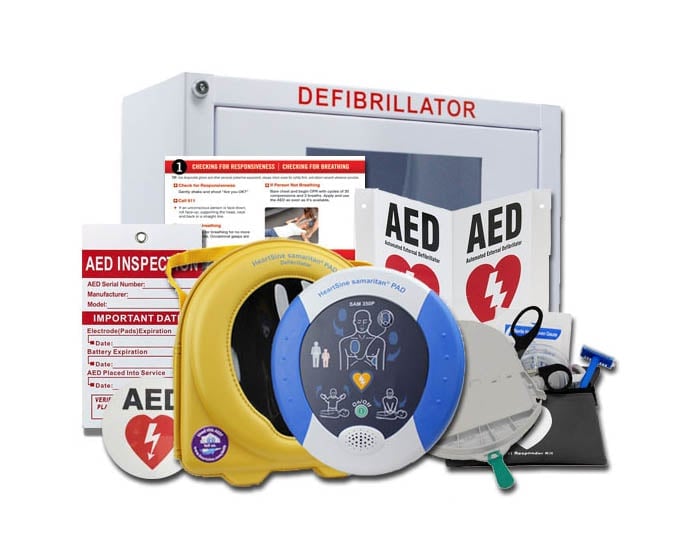
HeartSine Samaritan 350P AED Package
Compact, fully-automatic AED designed for first-time responders. Pads, battery, carry case and wall sign included.
What is the treatment for arrhythmia?
Mild arrhythmias often don’t need treatment. Yet, some need medication, devices, or surgery to restore a normal rhythm. For dangerous cases, treatment can extend beyond medication to more advanced options.
Implantable medical devices
Doctors may advise an implantable device. It can help keep the heart functioning normally for patients with arrhythmia. Usually, there are two main types to choose from.
- An implantable cardioverter defibrillator (ICD) is a small device. It’s placed in the chest to track heart activity. When it detects abnormal rhythms, it sends electrical impulses to correct them.
- A pacemaker sits under the skin. It helps the heart beat steadily by sending out regular electrical signals.
Automated external defibrillator
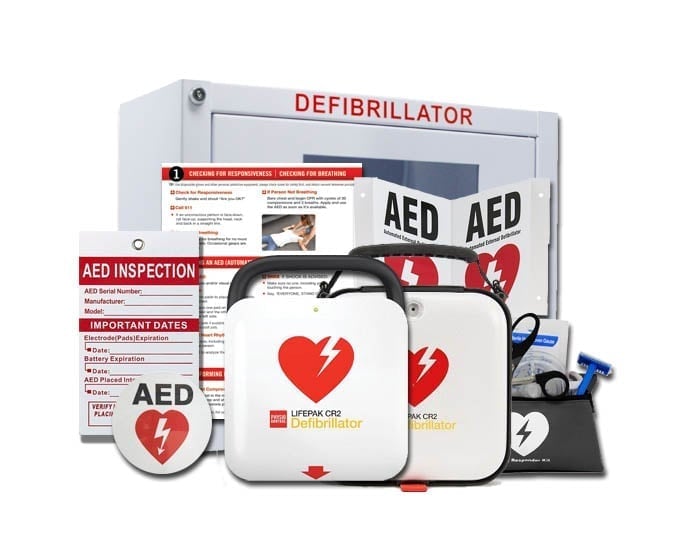
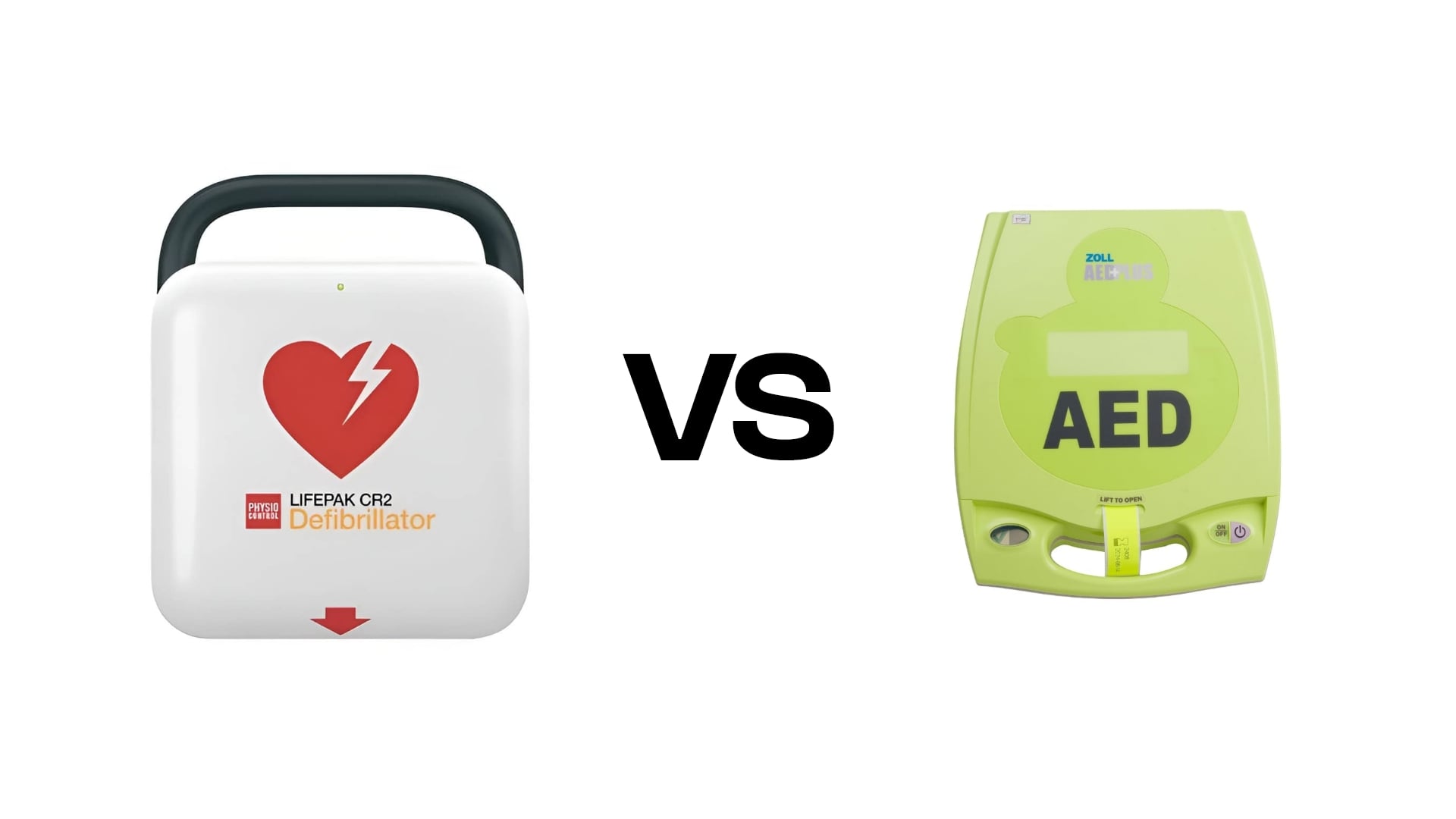
In emergencies like cardiac arrest, an AED can help restore a steady heartbeat. This is especially helpful when an ICD isn’t nearby.
In urgent cases of dangerous arrhythmias, doctors may use two types of external electrical treatment.
- Defibrillation uses an electrical shock to restart the heart when there is no pulse. This is often needed during ventricular fibrillation or pulseless ventricular tachycardia.
- Cardioversion is done when someone has a pulse, but their rhythm is off. It uses controlled electrical signals to get the heart back to a normal rhythm.
Cardiac ablation surgery
Cardiac ablation treats serious arrhythmias. A catheter goes through a blood vessel to reach the source of the irregular rhythm.
The catheter directs energy to kill the cells that cause the abnormal rhythm. This approach, known as cryoablation, uses cold energy to freeze those cells.
What are the risk factors for developing deadly arrhythmias?
Arrhythmia can happen for many reasons. Dangerous heart rhythms can happen after heart damage. This includes damage from a heart attack or other serious problems.
- myocarditis, or an inflammation of your heart
- endocarditis, which is an infection of the inner lining of your heart or heart valves
- pericarditis, or an inflammation of the pericardium, which is the thin sac that surrounds your heart
- heart failure, or a weakened heart that can affect its electrical patterns
- heart valve disease, which is when one or more of the valves in your heart do not function properly
- coronary artery disease, which is when the arteries that supply blood to your heart are partially or totally blocked
- prior myocardial infarction, also known as a heart attack
- cardiomyopathy, which is the progressive weakening of your heart muscle
- genetic factors, as some arrhythmias may be inherited from your parents
Certain health problems outside the heart can still trigger complications, including dangerous arrhythmias.
- sleep apnea
- diabetes
- thyroid disease
FAQs
What is an arrhythmia?
An Arrhythmia Is An Irregular Heartbeat That May Be Too Fast, Too Slow, Or Uneven.
What are the warning signs of a dangerous arrhythmia?
Warning signs may include chest pain, severe dizziness, shortness of breath, fainting, or a sudden loss of consciousness.
Can arrhythmia be treated?
Yes. Treatment options range from medications and lifestyle changes to medical devices, such as pacemakers or defibrillators, and surgical procedures, including ablation.
How is arrhythmia diagnosed?
You can often find arrhythmia with an electrocardiogram (ECG), a Holter check, or other heart monitors.
Who is most at risk for deadly arrhythmias?
People with heart attacks, heart disease, high blood pressure, or a family history of heart problems have a higher risk.

Not sure which AED or training fits your needs?
An MDSI medical-oversight expert walks you through it — no obligation.
Talk to an expert →Conclusion
Arrhythmias range from harmless irregular heartbeats to conditions that can quickly become life-threatening. Acting fast when you see warning signs can improve results. Getting medical help and following treatments is key. With the right diagnosis and care, many people can live safely. This helps lower their risk of serious complications.