

- Published
What Is the Indication for Mouth-to-Mouth Rescue Breaths? When and Why It’s Needed
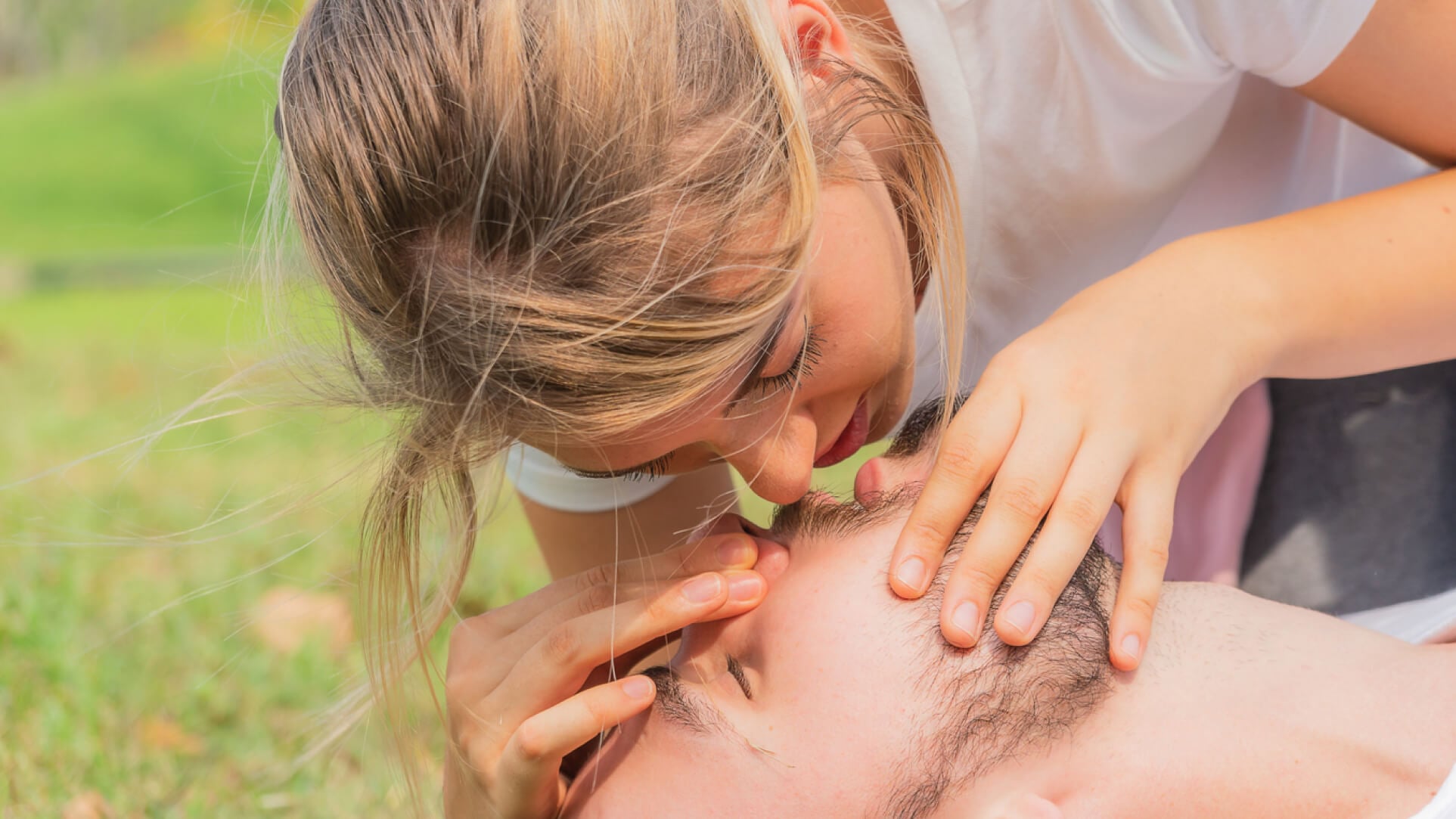
Mouth-to-mouth resuscitation is important in CPR. Yet, new research has changed how we view it. Recent studies show that chest compressions alone are more effective for untrained people. Rescue breaths can help, but they may not be necessary. Knowing when to use mouth-to-mouth or compressions can save lives. This quick guide covers the science of the change and today’s CPR training.
Fewer people do mouth-to-mouth now. Many bystanders feel unsure about giving rescue breaths during CPR. Stopping compressions to give breaths can disrupt blood flow. This flow is crucial for keeping oxygen moving. Worries about infection risks have made some people hesitant. As a result, many now choose hands-only CPR. They see it as a safer and more effective response.
Improving survival rates from cardiac arrest starts with public education. Everyone, teachers, business owners, and everyday citizens, should know the latest CPR guidelines. Training now highlights the importance of continuous chest compressions instead of mouth-to-mouth. This method is proven to save lives more effectively.
Is mouth-to-mouth necessary for CPR?
CPR became standardized in the 1960s with the “ABC” method. This change was a big step away from older resuscitation techniques. Mouth-to-mouth used to be key in emergencies. Chest compressions alone are now shown to be more effective for adults in cardiac arrest. This is especially true for untrained rescuers.
In 1997, the American Heart Association launched hands-only CPR. This method is safer and simpler for bystanders. Ten years later, Dr. Ken Nagao’s Tokyo study confirmed its effectiveness. Patients who got compression-only CPR had a lower chance of brain damage. This was compared to those who had mouth-to-mouth resuscitation.
A Brief History of Mouth-to-Mouth Resuscitation
Before the 1950s, trying to revive someone who had stopped breathing was often hit or miss and not very effective. Mouth-to-mouth resuscitation changed emergency care. It gave everyday people a reliable way to restore oxygen. First adopted in 1950, it replaced old revival methods. This change laid the groundwork for modern CPR. It empowers bystanders to act fast and fill the gap before medical help arrives.
Rescue breaths changed emergency response. They marked the start of modern CPR. This made CPR a clear and teachable life-saving skill. For many years, mouth-to-mouth was seen as vital. It helped people give hope when there was little. Today’s CPR guidelines have changed a lot, especially for bystanders without training. The history of mouth-to-mouth shows just how far emergency care has come. Its core principles are still crucial for CPR training. They shape how we save lives today.
The “Kiss of Life” and Other Names
Over time, mouth-to-mouth resuscitation has been known by many names. Each name reflects its medical role and emotional impact. In clinical terms, it’s called rescue breathing or expired air resuscitation. This means using your breath to help someone else breathe again. The phrase “kiss of life” really grabbed the public’s attention. It turned a medical technique into a strong symbol of hope and human connection.
How Rescue Breaths Work
Many assume the air we exhale is merely waste, filled with carbon dioxide and lacking oxygen—but that’s not true. Our breathing isn’t perfect. We leave a lot of oxygen with each breath we take. In rescue breathing, leftover oxygen goes into the victim’s lungs. Oxygen goes into the bloodstream. It helps vital organs like the heart and brain. This continues until normal breathing returns or medical help arrives.
Rescue breathing works because exhaled air still contains enough oxygen to support life. The air we breathe in has about 21% oxygen. When we exhale, it contains around 17%. This amount is enough to sustain someone who can’t breathe on their own. For trained responders in Basic Life Support, it’s crucial to grasp this principle. This knowledge helps in providing effective ventilations, especially for children or drowning victims.
The Science of Exhaled Oxygen
Rescue breaths work because our lungs never use all the oxygen we inhale. While the air we breathe in contains about 21% oxygen, only part of it is absorbed to sustain our cells. Seventeen percent is exhaled. This reserve keeps vital organs working when a person stops breathing. This strong principle is what makes mouth-to-mouth resuscitation effective. It can save lives while waiting for professional help.
What stops people from giving CPR?
Mouth-to-mouth resuscitation isn’t often recommended now. This is partly because it can make bystanders hesitant to act in emergencies. Dr. Nagao and his team found that nearly 70% of over 4,000 cardiac arrest victims didn’t receive CPR from bystanders. This was mainly due to fear or uncertainty about doing mouth-to-mouth.
Why Continuous Chest Compressions Are So Critical
Mouth-to-mouth isn’t usually recommended anymore. It interrupts chest compressions. These compressions are crucial in the first few minutes after cardiac arrest. Most victims have enough oxygen in their blood at first. Strong, steady compressions push oxygen to vital organs until help arrives.
Hands-Only CPR vs. Traditional CPR: What the Data Shows
Studies show that for adults who collapse, hands-only CPR works just as well as CPR with breaths. Sometimes, it’s even better, especially when done by a bystander. In the first few minutes after cardiac arrest, the blood often has enough oxygen. What matters most is keeping blood flowing. This delivers oxygen to the brain and vital organs. Continuous chest compressions keep blood flowing. Stopping for breaths can interrupt this flow and lower survival chances.
The advantages of hands-only CPR extend well beyond maintaining circulation. Studies show that people who got help from bystanders had a lower chance of brain damage. This is compared to those who received traditional CPR with breaths. The American Heart Association has promoted hands-only CPR for everyone. Removing the need for mouth-to-mouth reduces hesitation and encourages faster action. With basic training and certification, anyone can feel ready to save a life when it matters most.
Understanding the infection risks of mouth-to-mouth.
The COVID-19 pandemic showed the risks of mouth-to-mouth resuscitation without protective gear. This is especially true for untrained bystanders. Unprotected rescue breaths can endanger both the rescuer and the victim. They may lead to serious infections. Emergency responders use masks to avoid this danger. Hands-only CPR is a safer and just as effective option. Pausing compressions for breaths can interrupt circulation and lower survival chances.
Specific Risks of Disease Transmission
It’s normal to feel unsure about giving mouth-to-mouth to someone you don’t know. There’s a risk of spreading infections through saliva or droplets. Concerns about spreading illnesses like the flu can stop people during emergencies. To address this, modern CPR guidelines promote hands-only techniques for the public. This method lowers disease risk. It also keeps oxygen-rich blood flowing to the brain and vital organs until help arrives.
When Are Rescue Breaths Actually Necessary?
Untrained bystanders typically shouldn’t give mouth-to-mouth resuscitation. Yet, there are times when rescue breaths are vital for survival.
- Babies and young kids can have cardiac arrest due to non-cardiac reasons. These are often related to breathing issues.
- Near-drowning victims
- Drug overdose victims
- Asthma attacks, poisoning, choking, and carbon monoxide poisoning.
In emergencies, the body may not get enough oxygen. This can harm vital organs. So, rescue breaths are crucial until medical help arrives. This is especially important for infants and children. Studies show that traditional CPR with breaths works better in non-cardiac arrests. In cardiac cases, both methods are similar.
How to Give Rescue Breaths Safely
Using rescue breaths is vital for kids, infants, and anyone who has drowned or overdosed. If you’re trained in CPR, remember this key step. In these cases, giving chest compressions and breaths together is the best way to survive.
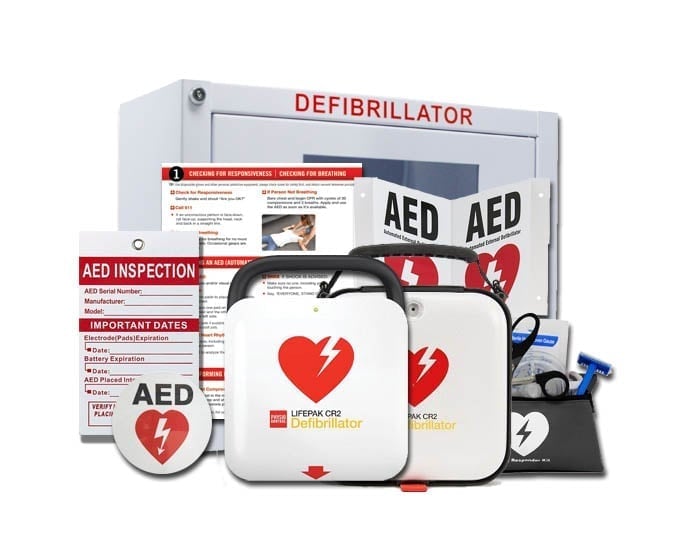
Whenever possible, rescue breaths should be delivered using a positive-pressure ventilation mask. These compact and portable devices are included in AED kits. They feature the Philips HeartStart FRx, HeartSine Samaritan PAD 350P, and Defibtech Lifeline. They offer a safer and cleaner way to perform ventilations effectively.
If you can’t give rescue breaths, do hands-only CPR. Have someone call emergency services right away. A trained responder can give rescue breaths if needed. Alternating compressions helps avoid fatigue during long efforts.
If you’re unsure about CPR training, this guide shows what to expect and how long it usually takes.
Step-by-Step Guide for Adults and Children
Giving rescue breaths to an adult or child is a simple process. Begin by opening the airway, tilting the head back, and lifting the chin to allow air to pass freely. Pinch the nose. Then, cover their mouth with yours to seal it. Give a steady breath for one second until the chest rises. Let it fall, then deliver a second breath to ensure proper ventilation.
Special Instructions for Infants
Rescue breaths for an infant must be done with extra care. Tilt the head gently to a neutral “sniffing” position. Overextending can block the small airway. Cover your mouth and nose to seal them together. Then, softly puff air from your cheeks for one second. If you don’t see the chest rise, adjust the head slightly. Then, try again before resuming compressions.
Using Protective Equipment
Whenever possible, use a CPR mask or barrier device when giving rescue breaths. These masks keep both the rescuer and the victim safe. They stop saliva and germs from passing between them. A one-way valve allows air to flow in one direction. Many first aid and AED kits have compact CPR masks. This makes it easy to be prepared and safe in an emergency.
Alternative Rescue Breathing Methods
If you’re unable or uncomfortable giving rescue breaths, don’t hesitate to help. Act quickly with hands-only CPR. Use steady, uninterrupted chest compressions. This keeps oxygenated blood flowing to the brain and vital organs. Be sure someone calls emergency services right away. Continuous compressions boost the chance of survival, even without breaths, until help arrives.
Common Mistakes and How to Avoid Them
A common mistake during rescue breathing is blowing too hard or too fast. Using too much force can send air into the stomach rather than the lungs. This raises the chances of vomiting and blocking the airway. To prevent this, give slow, steady breaths lasting about one second, enough to see the chest rise. Proper CPR training helps you practice this technique in a safe and efficient manner.
Troubleshooting: What to Do if the Chest Doesn’t Rise
If the chest doesn’t rise after your first rescue breath, stay calm. The airway is likely not fully open. Reposition the head by tilting it back and lifting the chin before trying a second breath. If there’s still no chest movement, resume chest compressions immediately. Keeping blood flowing is crucial. Compressions can help clear blockages and keep circulation going.
Your 3-step bystander action plan.
Trained rescuers should do 30 compressions, then give 2 breaths during CPR for teens and adults. This follows the 2020 AHA guidelines. Untrained bystanders should perform hands-only CPR. But for infants and children, rescue breaths are crucial. These recommendations ensure quick, effective action when someone suddenly collapses.
Step 1: Call for Help
If someone else is there, ask them to call emergency services. They should also get the nearest AED, which is often found in places like schools or gyms. When alone, call 911 first for an adult victim before starting hands-only CPR. For a child, start CPR right away for about two minutes. Then, call for help and keep doing compressions until help arrives.
Step 2: Start Hands-Only CPR
For hands-only CPR, put your hands in the center of the chest. Push hard and keep a steady rhythm of 100 to 120 compressions per minute. This beat matches “Stayin’ Alive.” Press down about 1.5 inches each time. Let the chest rise fully between compressions.
Step 3: Use an AED
Using a defibrillator immediately after someone collapses can triple their chances of survival. Grab an AED fast. Attach the pads to the bare chest as shown. Then, turn it on and listen to the voice instructions carefully.
For kids under eight or under 55 pounds, use pediatric pads. If you have them, switch the defibrillator to child mode. If neither option is on hand, it is still safe to use standard adult pads.
The AED will prompt you to continue chest compressions until emergency responders arrive. Keep the pads on and the device running. This lets paramedics take over right away when they arrive.
The Two Actions That Can Save a Life
Studies show that CPR works best when bystanders focus only on chest compressions. That’s why mouth-to-mouth is no longer recommended. If someone collapses and you’re not trained, first check the area for safety. Then, call for emergency help and an AED. After that, start firm and rapid compressions right away.
To keep your AED program strong, train your team in CPR regularly. This helps them feel confident using the defibrillator. Quick chest compressions and defibrillation can save lives. It’s vital that everyone is prepared to act when every second matters.
FAQs
Why is mouth-to-mouth no longer recommended?
Mouth-to-mouth resuscitation isn’t recommended anymore. Research shows that hands-only CPR works well for most adult cardiac arrests. Chest compressions help keep blood flowing. They’re also easy for untrained bystanders to do quickly and safely.
Is mouth-to-mouth still used today?
Yes, mouth-to-mouth is still used for specific situations. This includes infants, children, drowning victims, and overdose cases where oxygen loss matters. Trained responders and medical professionals still use mouth-to-mouth. Rescue breaths are vital for survival.
Does mouth-to-mouth resuscitation work in an emergency?
Yes, mouth-to-mouth helps. It sends oxygen directly into the lungs of someone who isn’t breathing. It keeps the brain and organs alive until normal breathing or medical help returns. It should be done correctly. It’s most effective when combined with chest compressions.
What is mouth-to-mouth resuscitation?
Mouth-to-mouth resuscitation, or rescue breathing, is a life-saving method. The rescuer breathes into the victim’s mouth to give them oxygen. Hands-only CPR is now best for most adults. Yet, mouth-to-mouth is still crucial for non-cardiac arrest cases and younger patients.
Conclusion
Mouth-to-mouth resuscitation remains an important part of CPR, even as guidelines have evolved. Hands-only CPR is best for most adult emergencies. In some cases, like drowning or overdose, rescue breaths are crucial. They can save children and infants in emergencies. They can mean the difference between life and death. Knowing when and how to do mouth-to-mouth helps you respond confidently in emergencies. Stay trained and ready. This keeps CPR effective, safe, and life-saving when every second matters.
Disclaimer for information purposes only:
The information provided on this website is intended for general educational and informational purposes only. It is not medical advice and should not be used as a substitute for professional diagnosis, treatment, or care. Always consult a qualified healthcare or medical professional regarding any health-related questions or concerns.
While we strive to ensure the information shared is accurate and up to date, no guarantees are made regarding completeness, accuracy, or applicability to any individual situation. Use of this content is at the reader’s sole discretion and risk.
This website is part of the Response Ready family of emergency preparedness and training resources, including CPR & first aid training and compliance services, AED sales and program support, AED program management software, and medical oversight solutions provided through our affiliated platforms:
• CPR1.com
• AEDLeader.com
• AEDTotalSolution.com
• ResponseReady.com
By accessing or using this website, you agree to release, indemnify, and hold harmless the website owners, authors, contributors, and affiliated entities from any claims, losses, damages, or liabilities arising from the use or reliance on the information presented.

Dr. Ann Jarris MD, MBA, FACEP
Save Lives with the Right AED Today
Buy Trusted AEDs Today!
Get Certified in CPR and Make a Difference!
Save Lives with the Right AED Today

- Published