
Respiratory arrest is a serious emergency. In this situation, a person stops breathing, which means their body gets no oxygen. Without immediate intervention, this condition can quickly lead to cardiac arrest and death. Respiratory arrest is different from shortness of breath. It means there’s no airflow at all. So, quick recognition and response are vital. Knowing how respiratory arrest occurs, its effects on the body, and what you can do is crucial. These insights can be life-saving in an emergency.
A common question is whether someone can breathe during respiratory arrest. The answer is no. Without breathing, oxygen can’t get to the lungs. Brain damage can start in a few minutes. This is why CPR (cardiopulmonary resuscitation) is a vital skill for everyone to know. CPR keeps oxygen flowing by giving artificial breaths and chest compressions. This helps until medical help arrives. In this article, we’ll discuss respiratory arrest and its link to CPR. We’ll go over how to recognize the signs and what steps to take in an emergency.
Respiratory Arrest
If a person has a steady pulse but isn’t breathing, they are in respiratory arrest. Treatment differs from cardiac arrest, so it requires special focus. Knowing this difference is key to giving the right answer in a critical moment.
Get certified in CPR
CPR & AED Training
3-hour in-person training with a 2-year nationally recognized certification.
CPR, AED & First Aid Certification
Instructor-led on-site. Practice on real manikins and AED trainers.
What is respiratory arrest?
Respiratory arrest occurs when someone stops breathing or breathes very weakly. This makes it impossible to support life. While it can happen alongside cardiac arrest, it may also occur on its own. In advanced cardiovascular life support, this condition means the person has a pulse but is not breathing. It can also include very weak breathing patterns, such as agonal gasps.
What causes respiratory arrest?
Respiratory arrest often connects to cardiac arrest, but it can happen on its own. This occurs when the body struggles to breathe. Damage to the nerves or muscles that help us breathe can cause this condition. This happens in diseases like amyotrophic lateral sclerosis. An opioid overdose can depress the brain’s respiratory center. This can stop breathing. Breathing can be tough due to serious physical issues. Chest injuries, acute respiratory distress syndrome, and tension pneumothorax are examples of these conditions. Recognizing these potential causes is vital for guiding timely and appropriate resuscitation efforts.
RECOMMENDED
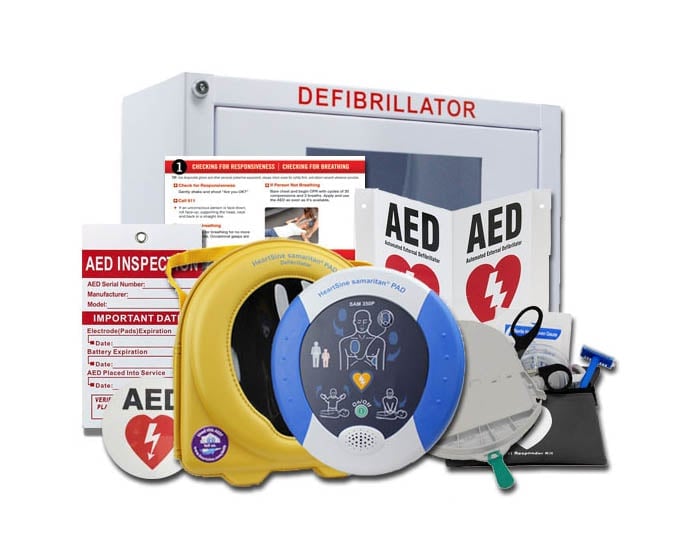
HeartSine Samaritan 350P AED Package
Compact, fully-automatic AED designed for first-time responders. Pads, battery, carry case and wall sign included.
Respiratory arrest management
Managing respiratory arrest is like managing other emergencies. It follows the Basic Life Support and Advanced Cardiovascular Life Support protocols.
The BLS survey
- Check responsiveness
- Activate EMS
- Check circulation
- Defibrillate
In respiratory arrest, the patient still has a pulse. So, defibrillation and chest compressions aren’t needed. The main goal early on is to restore good ventilation. This helps deliver oxygen effectively.
The ACLS survey
- Airway
- Breathing
- Circulation
- Differential diagnosis
The primary priority in respiratory arrest is securing a clear airway. The rescuer must select the right method based on the situation and resources at hand. In out-of-hospital situations, use basic airway techniques. If there’s no spinal injury, try the head tilt–chin lift. If you suspect a cervical spine injury, use the jaw-thrust maneuver. When possible, use airway adjuncts like oropharyngeal or nasopharyngeal devices. They help keep the airway open.
Administering artificial respiration involves controlling the patient’s breathing. Make sure the chest rises visibly, but don’t ventilate too much. Use supplemental oxygen if it’s available. Start with 100% if needed. Then adjust to keep blood oxygen levels at 94% or higher, based on pulse oximetry. Track end-tidal carbon dioxide with waveform capnography when you can. This helps guide effective ventilation.
A patient in respiratory arrest can rapidly progress to cardiac arrest. It’s crucial to check their pulse at regular intervals. If circulation is lost, transition without delay to the cardiac arrest resuscitation protocol.
The difference between respiratory arrest and cardiac arrest.
Respiratory arrest and cardiac arrest are both serious emergencies. They affect the body in different ways. In respiratory arrest, breathing stops, but the heart keeps beating. If not treated, this can quickly lead to brain injury or even cardiac arrest. Cardiac arrest happens when the heart stops or doesn’t pump well. This cuts off blood flow to vital organs.
Respiratory arrest and cardiac arrest differ mainly in whether a pulse is present. In respiratory arrest, the heart still beats, but there is no breathing. In cardiac arrest, the heart stops or beats so irregularly that you cannot feel a pulse. Both need urgent, life-saving intervention.
What Is a Respiratory Arrest?
Causes of respiratory arrest
Respiratory arrest occurs when breathing stops or is very weak, while the heart continues to beat normally. It can happen for many reasons, such as asthma, pneumonia, or chronic lung disease. It may also result from a drug overdose, poisoning, or airway obstruction. This obstruction can be caused by blood, vomit, mucus, swelling, or a foreign object. Without prompt treatment, low oxygen can quickly harm vital organs. This may lead to brain injury or even cardiac arrest in minutes. This is a critical medical emergency that demands immediate intervention.
Warning signs and symptoms of respiratory arrest.
Early signs of respiratory distress include shortness of breath, rapid breathing, or bluish lips or nails. Other signs include fever, a fast heartbeat, and chest retractions during breathing. You may also cough up phlegm or feel pain that worsens when you breathe or cough. In some cases, you might sweat more around your head. This can happen even if your skin temperature doesn’t go up.
How to treat someone during a respiratory arrest situation.
In respiratory arrest, clear the airway first. Then, provide positive pressure ventilation. Without swift action, the condition can quickly become fatal, making immediate intervention essential. The rescuer should act quickly to stabilize breathing. The exact method will depend on the patient’s condition. Help is on the way.
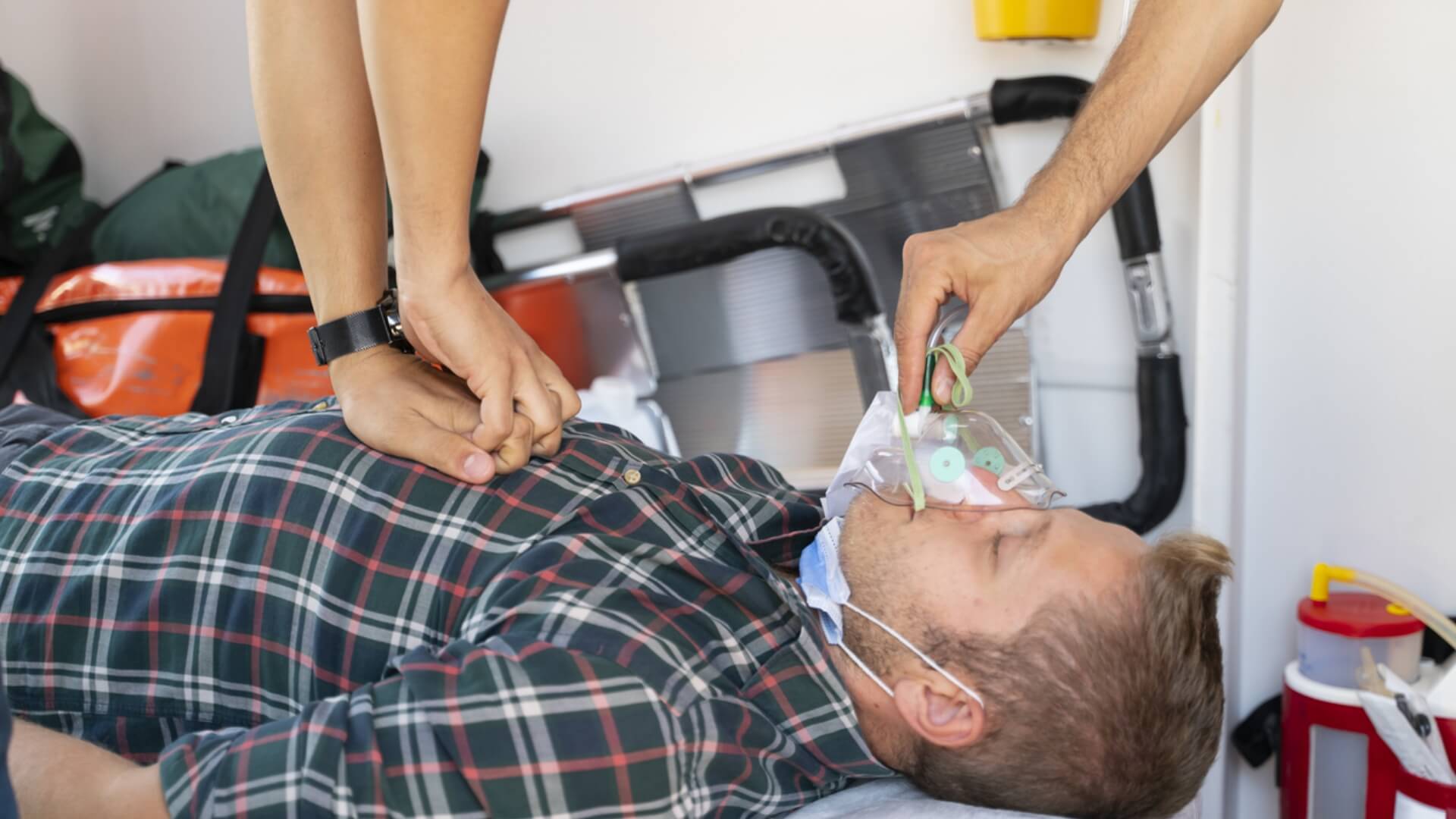
Begin by trying to rouse the patient with a gentle tap and verbal prompts. If there is no reaction, call for emergency help right away. Open the airway with the head tilt–chin lift method. Check for breathing. If needed, give rescue breaths and add chest compressions when appropriate. Continue until the patient resumes breathing or trained responders take over.
What Is Cardiac Arrest?
Causes of cardiac arrest
Cardiac arrest occurs when the heart suddenly stops. This stops blood flow to the brain and other vital organs. Ventricular fibrillation often causes this problem. In this state, the heart’s lower chambers shake rather than pump blood effectively. It can occur from coronary artery disease, heart attacks, valve issues, or congenital defects. In some cases, it strikes without any prior signs of heart problems.
Warning signs and symptoms of cardiac arrest.
Medical history and lifestyle choices can affect the chances of cardiac arrest. Factors such as coronary artery disease in the family, high blood pressure, high cholesterol, smoking, diabetes, obesity, and lack of physical activity all raise the risk. Having a history of sudden cardiac arrest, heart rhythm problems, past heart attacks, chronic kidney disease, or using drugs like cocaine or amphetamines can raise vulnerability even more. Warning signs may include chest discomfort, irregular or rapid heartbeat, unexplained wheezing, dizziness, and difficulty breathing.
What to do if someone suffers a cardiac arrest.
Call emergency services right away if someone is in cardiac arrest. Then, lay them flat on a firm surface. Start hands-only CPR by pushing hard and fast in the center of the chest. Aim for 100 to 120 compressions per minute. Keep your arms straight and use your body weight. If an AED is available, activate it right away and follow its prompts until help arrives.
An AED checks the heart’s rhythm. It tells you if a shock is needed. It often gives CPR instructions, too. The Avive Connect AED is the smallest and lightest FDA-approved model. It’s made for easy use by anyone. It includes visual and audio prompts. There are special settings for Spanish speakers and children. This design makes life-saving help easier for different groups. It also stays simple for rescuers to use.
FAQs
What is the definition of respiratory arrest?
Respiratory arrest, or breathing arrest, happens when a person stops breathing. It can also occur when breathing is too weak to support life. The heart may still beat, but quick action is crucial. Without it, cardiac or cardiopulmonary arrest can occur.
Can you have a pulse and not be breathing?
Yes. A person can have a pulse and still be in respiratory arrest. In this case, the heart still pumps blood. Yet, without breathing, oxygen doesn’t reach the body’s organs. Without rapid ventilation support, this can result in cardiopulmonary arrest and death.
How do you define cardiopulmonary arrest?
Cardiopulmonary arrest occurs when both breathing and heart function stop. This is a medical emergency. Give immediate CPR. If an AED is available, use it to restore circulation and breathing.
What is the difference between pulmonary arrest and cardiac arrest?
Pulmonary arrest, also known as respiratory arrest, occurs when breathing stops. The heart, yet, keeps beating. Cardiac arrest happens when the heart stops or beats too irregularly. This stops blood flow. Both conditions are life-threatening but require different initial responses.
What should you do if someone is in respiratory arrest?
If a person has a pulse but isn’t breathing, open their airway. Then, start rescue breathing right away. If they lose their pulse, start CPR and use an AED if available while waiting for emergency medical help.

Not sure which AED or training fits your needs?
An MDSI medical-oversight expert walks you through it — no obligation.
Talk to an expert →Conclusion
Respiratory arrest is a serious emergency. It needs quick recognition and fast action. Lack of effective breathing can happen due to injury, illness, or obstruction. This can quickly cut off oxygen to the body. If it lasts too long, it may cause irreversible brain damage or cardiac arrest in minutes. Understanding respiratory arrest, cardiac arrest, and cardiopulmonary arrest is key. This knowledge lets you pick the best response in emergencies. You can save a life. know how to check for breathing, give rescue breaths, and act fast until help gets there.