

- Published
AED Pads on Infants and Children: Proper Use and Guidelines
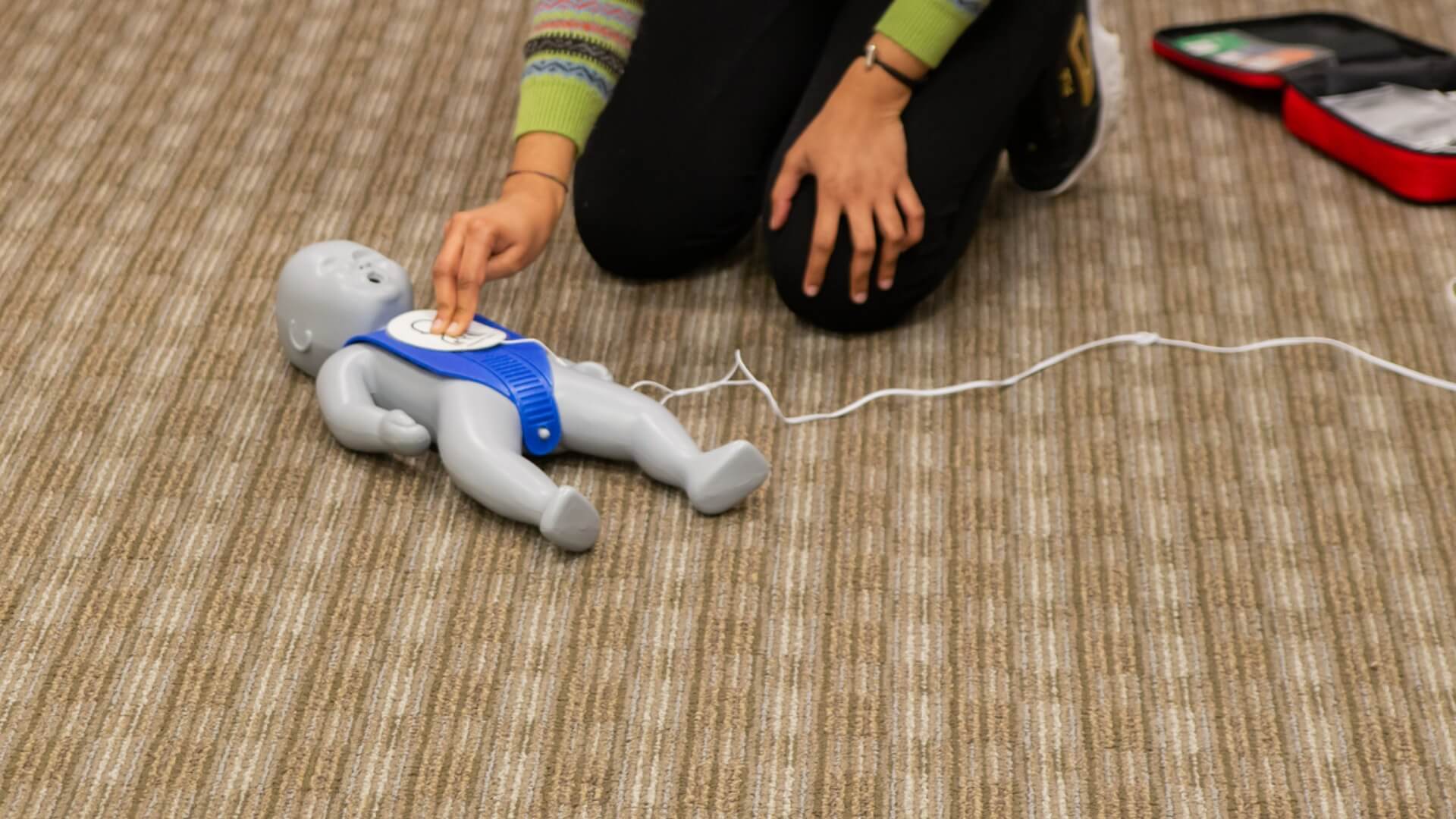
Sudden cardiac arrest in children and infants can be deadly. Using an AED is vital in these situations. Most manufacturers design AEDs for adults, but many include settings or pads for kids. Knowing how to use an AED for adults and kids is key for good care. This guide offers helpful tips for handling emergencies with young patients. It aims to boost your confidence in these situations.
What is an infant AED pad?
To understand pediatric and infant AED pads, you first need to know what a standard AED pad is. Getting to know these basics helps you feel confident using the device. This is especially important in critical situations with young patients.
Automated external defibrillators usually come with adult electrode pads. These pads have metal plates joined by wires and covered in plastic. A special adhesive gel on one side sticks well to the skin. This helps prevent burns and lets the device find a shockable heart rhythm. This enables the AED to deliver a direct and effective shock, usually ranging from 120 to 200 joules.
An automated external defibrillator (AED) works best with new electrode pads. These pads should stick well to the patient’s chest. Most AED kits include standard adult pads. Some kits even have a spare set for added reliability in emergencies.
How do you use an AED on a child or an infant?
Using an AED on children and infants needs less energy for it to work well. The right technique is crucial for safety and success in this life-saving treatment.
Step 1: Secure an AED
AEDs are often in public places, such as schools and airports. It’s important to know where they are. When needed, retrieve the device immediately, open the case, and turn it on. It will provide clear visual and audio instructions to guide you through the process.
Step 2: Prepare the child or infant.
- Before approaching a child or infant in need, check for hazards like traffic or fire. Ensure your safety and theirs.
- Expose the chest: Remove any clothing from the chest. This allows for proper pad placement.
- Dry the Chest: If the chest is wet or sweaty, use a towel or cloth to dry it. This will help the AED pads stick and work properly.
- Remove Medication Patches: Carefully remove any medication patches from the child’s or infant’s chest. This will prevent interference with the AED’s electrical impulses.
Step 3: Place the pads on the child or infant.
- For a child (aged 1-8): Place one AED pad on the upper right side of the chest, just above the breast. Put the second pad on the lower left side, beneath the armpit.
- For an infant (under 1 year): Position one pad on the infant’s upper left chest and the other on their back. If the pads are too close on the chest, switch to the front and back placement for proper application.
Step 4: Maintain a safe distance from the child or infant during the AED’s operation.
After placing the AED pads, pause CPR and ensure no one is touching the child or infant. Tell bystanders to stay back. This will help the device check the heart rhythm with accuracy. Follow the AED’s prompts, and if it warns to “Check Electrodes,” verify that the pads are securely attached. If you need to deliver a shock, make sure everyone is clear before you press the button.
Step 5: AED analyzes the heart rhythm without any interruptions.
Follow the AED’s instructions carefully. If it prompts “Check Electrodes,” confirm the pads are properly attached. Stay clear while it analyzes the heart rhythm. If a shock is required, press and hold the flashing button to deliver it.
Step 6: Perform CPR for two minutes.
If a shock is delivered or not advised, immediately resume CPR. Press the chest 2 inches deep for children and 1.5 inches for infants. Do this at a rate of 100 to 120 compressions per minute. Remember to allow the chest to recoil completely each time. After 30 compressions, tilt the head back and lift the chin. Then, give two gentle rescue breaths. Blow gently until the chest rises.
Step 7: Repeat the cycle.
Continue CPR for about two minutes, then allow the AED to reassess the heart rhythm. If you need another shock, ensure that you do not contact the child before delivering it. Adhere closely to the AED’s instructions. If the child starts breathing or moving, stop CPR but leave the pads in place. Keep them warm and watch their condition. Be ready to start CPR again if needed until help arrives.
What is an AED (Automated External Defibrillator)?
Automated External Defibrillators (AEDs) are portable devices. They check the heart of someone in cardiac arrest. If needed, they deliver a shock to help restore a normal rhythm. Without CPR or defibrillation, survival chances decline by 10% per minute. In young people, sudden cardiac death often comes from hypertrophic cardiomyopathy. This condition thickens the heart walls by enlarging the muscle cells.
Can you use AED pads on an infant?
AEDs are primarily designed for adults. They can assist children and infants in emergencies when a manual defibrillator isn’t available. Many models include pediatric settings and pads for those under 55 pounds. The American Heart Association suggests using pediatric pads for kids under eight. For older children, adult pads are the right choice.
Safety Considerations for Using AEDs on Children
AEDs are safe for kids under eight. They work best with CPR during cardiac arrest. Without immediate intervention, the condition can quickly become fatal. Young patients have delicate systems. So, quick defibrillation helps restore blood flow. This reduces the risk of serious damage to important organs.
Can you use adult AED pads on an infant?
Most AEDs include adult and pediatric pads. Pediatric pads suit children under eight or those weighing less than 55 pounds. They deliver a lower shock. Adult pads are recommended for older or heavier children. If you cannot find pediatric pads, you can still use standard adult pads in an emergency.
How often does sudden cardiac arrest occur in children and infants?
Although rare, cardiac arrest can occur in children, even those who are healthy. The Children’s Hospital of Philadelphia states it results in more than 2,000 deaths each year for kids and teens in the U.S. It is also connected to 10-15% of sudden infant deaths.
Pediatric cardiac arrest is rare. It often starts with respiratory failure, which then leads to cardiovascular collapse. In adults, heart rhythm problems are the main cause. Prompt treatment with oxygen, ventilation, and circulation support is essential. According to the American Heart Association, about 6,300 kids and teens under 18 have cardiac arrests outside of hospitals each year. CPR and AED help increase survival rates when given within minutes.
Is it safe to use AEDs on infants with pre-existing medical devices?
Caregivers can use AEDs on infants with pacemakers. Yet, they must take precautions to keep everyone safe.
- Put the AED pads away from the implanted device. Place one pad on the chest and the other on the back for optimal results. This helps to prevent interference.
- Modern AEDs should work with medical devices. But some interference can occur. Proper pad placement is essential to ensure the device functions correctly.
- Use pediatric AED pads for infants. They have a lower shock level, which is better for a child’s smaller body.
How effective are AEDs for children compared to infants?
AEDs work well for infants and children in cardiac arrest if used right away and correctly. Devices with pediatric pads are made for younger patients. But energy levels need to change because their bodies are different. Early defibrillation boosts survival and brain function. So, a quick response is key during the first minutes of a cardiac event, no matter the age.
How much do infant AED pads cost?
You can find pediatric electrode pads from various suppliers. They usually cost between $100 and $135 when added to an AED kit.
How long do infant pads last?
Infant and child AED pads typically have a shelf life of 2 to 4 years from the date of manufacture. Regular checks ensure the gel remains intact, as dried-out pads become ineffective. Keeping extra gel and monitoring battery and pad end dates helps maintain readiness. Inspection tags for tracking maintenance are available at AEDleader.
Faqs
What is the correct AED pad placement for infants?
For infants, place one AED pad on the upper left chest. Put the other pad on the back. This helps avoid overlap and ensures the device works well during cardiac arrest.
Can I use adult AED pads for infants, and how should I place them?
If you cannot find pediatric pads, you can use adult AED pads on an infant. Position one pad on the chest and the other on the back to prevent contact and ensure proper function.
Where should I place AED pads on an infant with a pacemaker or other medical devices?
When using an AED on an infant with a pacemaker, position the pads away from the device. Placing one on the chest and the other on the back helps avoid interference.
How do I ensure the AED pads stay effective over time?
Check the end date of infant AED pads often. They usually last 2-4 years. Also, make sure the gel is intact. Proper placement is essential for effective use during an emergency.
Why is correct AED pad placement for infants important?
Correct AED pad placement for infants is key. It helps deliver an effective shock. This can restore the heartbeat and boost survival after cardiac arrest.
Conclusion
Proper AED pad placement on infants is vital for heart emergency care. You can use both pediatric and adult pads. Placing them on the chest and back can boost survival chances. Knowing how to use an AED correctly can make a lifesaving difference.
Disclaimer for information purposes only:
The information provided on this website is intended for general educational and informational purposes only. It is not medical advice and should not be used as a substitute for professional diagnosis, treatment, or care. Always consult a qualified healthcare or medical professional regarding any health-related questions or concerns.
While we strive to ensure the information shared is accurate and up to date, no guarantees are made regarding completeness, accuracy, or applicability to any individual situation. Use of this content is at the reader’s sole discretion and risk.
This website is part of the Response Ready family of emergency preparedness and training resources, including CPR & first aid training and compliance services, AED sales and program support, AED program management software, and medical oversight solutions provided through our affiliated platforms:
• CPR1.com
• AEDLeader.com
• AEDTotalSolution.com
• ResponseReady.com
By accessing or using this website, you agree to release, indemnify, and hold harmless the website owners, authors, contributors, and affiliated entities from any claims, losses, damages, or liabilities arising from the use or reliance on the information presented.

Dr. Ann Jarris MD, MBA, FACEP
Save Lives with the Right AED Today
Buy Trusted AEDs Today!
Get Certified in CPR and Make a Difference!
Save Lives with the Right AED Today

- Published