
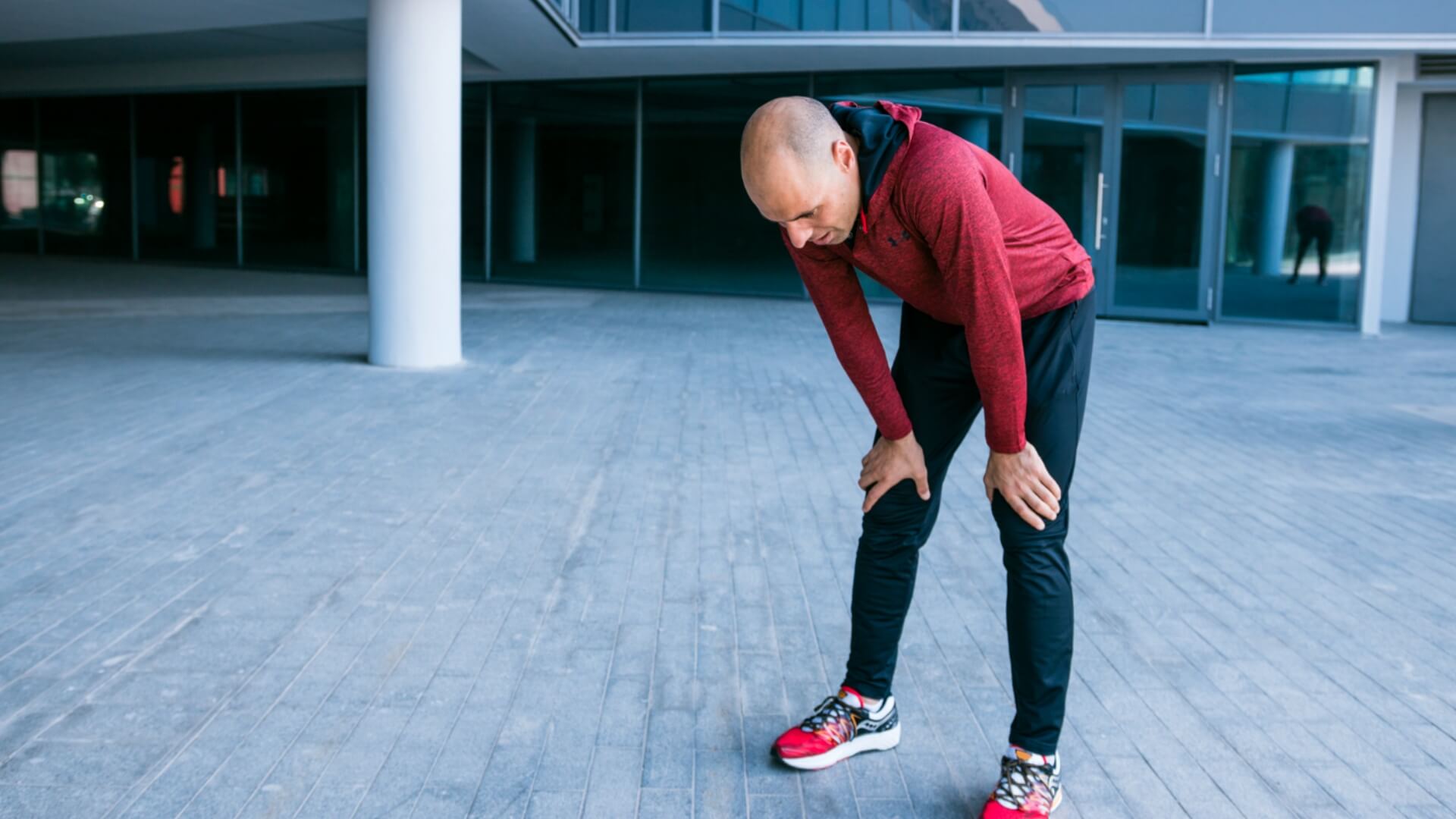
Feeling chest discomfort while running can surprise anyone, no matter their experience level. Some issues may seem harmless, but you shouldn’t ignore them. Chest pain can sometimes signal a serious issue. So, it’s vital to see a healthcare professional to make sure you’re okay.
Non-heart-related causes of chest pain while running.
Chest pain while running can be scary. It might mean a serious heart issue. Yet, many people experience this discomfort for reasons unrelated to the heart. It usually starts with small problems. These can include strained muscles or digestive issues from exercise.
New to Running
New runners often confuse normal soreness with heart pain. This happens as the body adjusts to more effort. The extra pressure on the lungs, heart, and chest muscles can lead to discomfort like heart pain. A quick sting can occur when someone strains the intercostal muscle near the ribs. This makes it more likely to be a muscle issue rather than a heart problem.
Warming up is key. It helps reduce chest discomfort while running. Keeping a steady pace also helps. Dress warmly in cold weather. Stay hydrated and get enough electrolytes all year. This helps reduce muscle tension. Avoid running right after a big meal. Digestion sends blood to the stomach, which can cause discomfort, like heartburn.
Vocal Cord Dysfunction
Normally, the vocal cords open wide during breathing and close when we talk or exert force. During running, they can sometimes feel too tight. This makes it harder to breathe and can cause chest discomfort. If this happens often, try respiratory retraining therapy. It can help with airflow and reduce strain.
Get certified in CPR
CPR & AED Training
3-hour in-person training with a 2-year nationally recognized certification.
CPR, AED & First Aid Certification
Instructor-led on-site. Practice on real manikins and AED trainers.
Lung problems
Pain from the lungs or nearby muscles can feel like it’s coming from the heart. This is because the heart, lungs, and chest muscles are so close together. Some lung issues from exercise are harmless. Yet, others can be serious. So, talk to a doctor if you think your lungs are causing discomfort.
Exercise-Induced Asthma
Coughing, wheezing, or trouble breathing while running can signal exercise-induced asthma. This can happen even to those who usually don’t have asthma. A doctor might suggest taking medication before exercise. They may also recommend an inhaler if symptoms show up during the run. If breathing becomes extremely difficult, get emergency care immediately.
Other lung problems
Chest discomfort while running doesn’t always come from common causes. It can also be linked to underlying lung issues.
- Exercise-induced bronchospasms can tighten small airways in the lungs. These spasms are often triggered by certain weather or environmental factors.
- Pleurisy happens when the lining around the lungs and chest gets inflamed. This can cause chest pain, trouble breathing, and a persistent cough.
- Recovering from COVID-19 or pneumonia can make your lungs weaker. This increases the chance of problems like pleurisy. Get your doctor’s okay before you start running again. Begin to ease back into it with gradual steps.
- A pneumothorax happens when air leaks into the space between the lungs and the chest wall. This can cause the lung to collapse in part or entirely.
- A pulmonary embolism happens when a blood clot blocks an artery in the lungs. This causes severe chest pain and trouble breathing. Rest does not help these symptoms. This is a medical emergency and requires immediate attention.
In rare cases, chest pain when running is a sign of heart disease or a cardiac event.
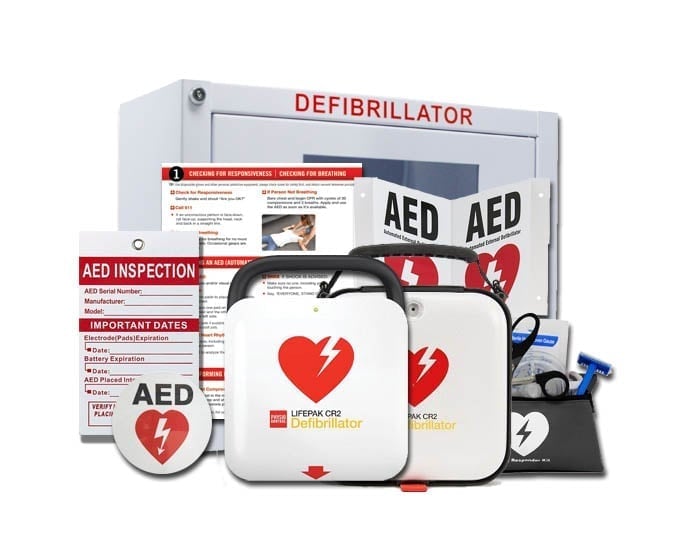
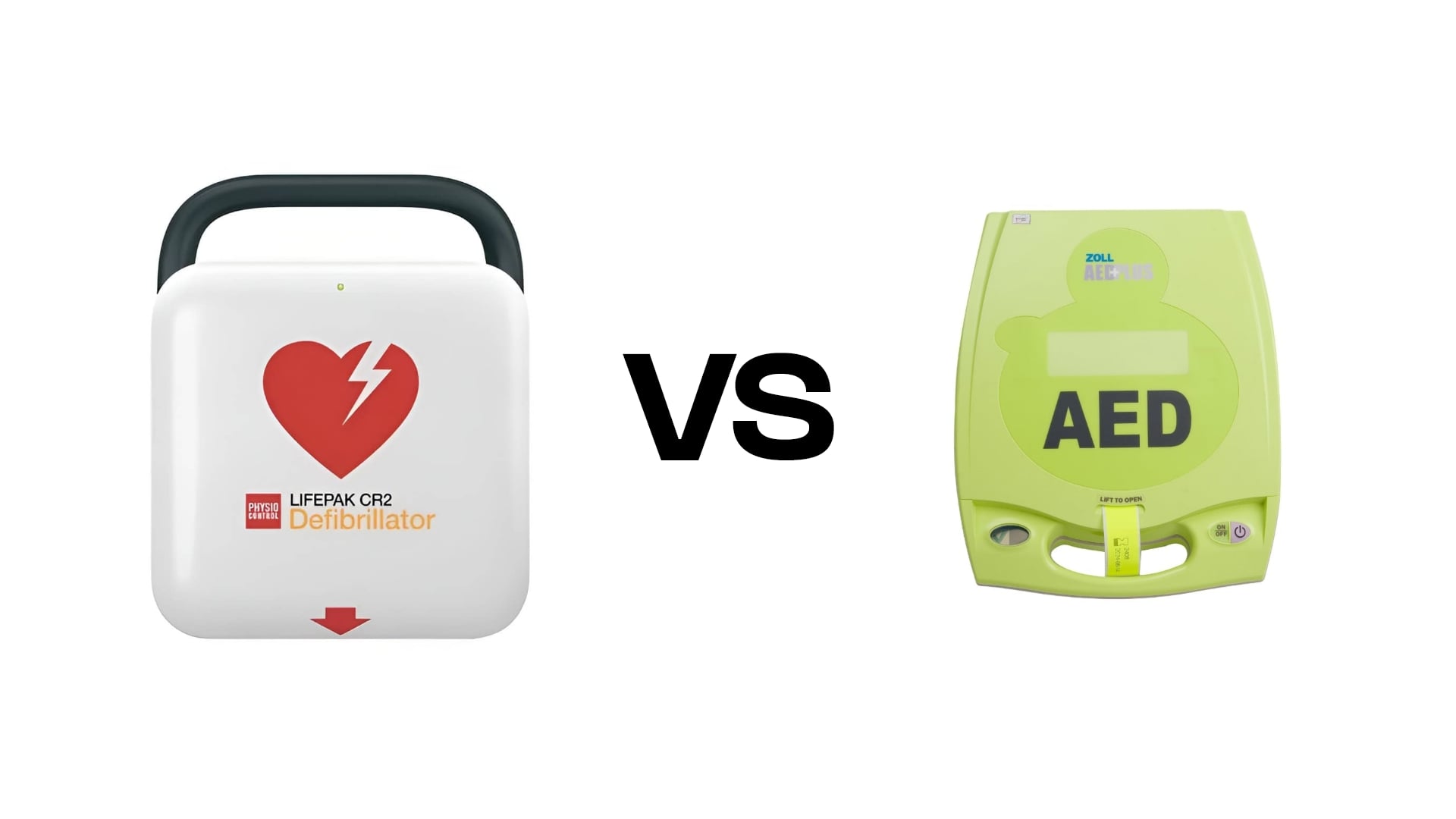
Sudden cardiac arrest during a run is rare, but knowing the warning signs is important. You can’t always predict your personal risk. Being aware helps you make safer choices. If you have heart issues, it’s smart to run with a partner. Using a portable defibrillator, such as the LIFEPAK CR2 or Philips HeartStart FRx, enhances safety.
Angina
Angina happens when narrowed coronary arteries restrict blood flow to the heart. This often leads to chest pain during activities like running. If you feel discomfort, stop and rest. Check if it gets better. Talk to your doctor about your symptoms to make sure everything is assessed properly. If you have persistent pain that doesn’t get better with rest, treat it as urgent. Seek medical help right away.
Heart Attack
If a person has heart disease or risk factors like smoking, chest pain during exercise might signal a heart attack. It’s important to know this risk. If you notice any new warning signs, act fast and get help right away.
- Worsening chest pain
- Pain in the upper body, left arm, jaw, or back
- Chest pressure
- Heavy sweating
- Distention or heartburn
- Nausea or vomiting
- Shortness of breath
- Extreme fatigue
- Palpitations
- Dizziness
If you feel chest symptoms while exercising but they go away when you stop, it could be an early sign of a heart attack. Don’t ignore this. Get emergency medical help right away if it happens while you’re running.
Supraventricular Tachycardia
Supraventricular tachycardia, or SVT, occurs when the heart’s upper chambers experience abnormal electrical activity. This leads to a quickened heartbeat. This rapid rhythm can trigger chest discomfort, noticeable palpitations, and difficulty breathing.
SVT is usually not dangerous. Yet, if your resting heart rate is over 100 beats per minute, or if it goes past 150 during exercise, see a doctor. Some mild cases without symptoms may respond to simple techniques. For example, the Valsalva maneuver can help slow the rhythm. If your condition doesn’t improve or gets worse, you might need treatments like ablation or a pacemaker.
Hypertrophic Cardiomyopathy
Hypertrophic cardiomyopathy is when the heart muscle thickens, mainly in the left ventricle. This makes it difficult for blood to flow properly. This can cause chest pain, breathlessness, or palpitations during exercise. Although it doesn’t always result in a heart attack, it does raise the risk of sudden cardiac arrest. Treatment often involves medication that helps the heart relax and pump more efficiently.
RECOMMENDED
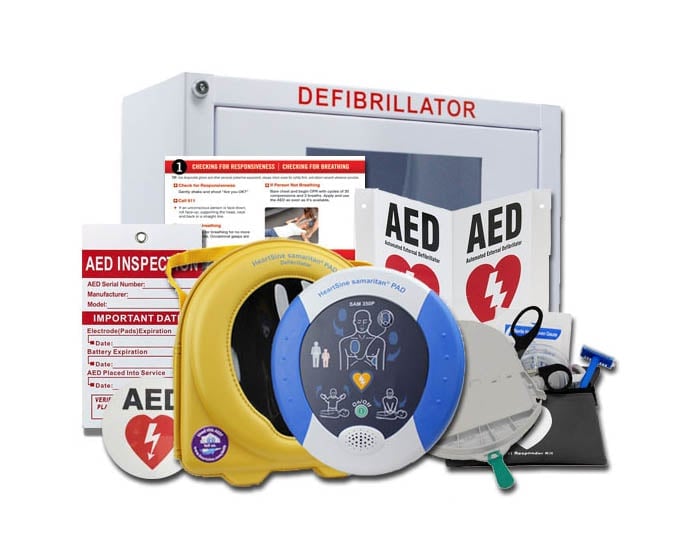
HeartSine Samaritan 350P AED Package
Compact, fully-automatic AED designed for first-time responders. Pads, battery, carry case and wall sign included.
What you should do if your heart hurts while running.
If you’re starting out and notice mild chest discomfort, take a break and give your body time to recover. Staying hydrated and having a light snack before your run can make it easier. Also, a good warm-up and cool-down routine can help lower the risk of chest pain.
If you experience sharp chest pain while running, watch for other signs. Nausea, dizziness, or discomfort in your back or jaw can be present. Arm pain, a fast heartbeat, or unusual sweating might also signal a serious issue. Don’t hesitate; seek emergency medical help immediately.
If you feel chest pain while running, get it checked. It’s crucial to rule out any serious issues. Running with a CPR-trained partner boosts safety. Also, knowing where the nearest AEDs are, or carrying one, can save lives. Always keep a phone with you so you can quickly call for help if needed.
FAQs
Why does my heart hurt when I run?
Heart discomfort while running can have various causes. It might be due to muscle strain or breathing problems. Yet, it could also show more serious heart issues. New runners often experience chest tightness as their bodies adapt to increased effort. Persistent or severe pain should always be checked by a doctor. This helps rule out any heart problems.
What causes pain in the left chest while running?
Left-sided chest pain while running can happen for a few reasons. It might be tense chest muscles, digestive problems, or breathing issues. It may also be a sign of heart problems. Since the heart is a bit to the left, any strange or ongoing pain there should be checked by a doctor. This is important, especially if you feel nausea, dizziness, or shortness of breath.
Why do I get chest cramps when I run?
Chest cramps during running can happen when the chest, diaphragm, or intercostal muscles are strained. This strain often comes from trying to breathe harder. Running too soon after eating, dehydration, and cold air can also trigger these cramps. A proper warm-up, steady pacing, and good hydration can help prevent this discomfort.
Are chest cramps when running a sign of a heart problem?
Not always. Many chest cramps happen due to muscle tension or breathing patterns, not the heart. If cramps happen along with a racing heartbeat, jaw or arm pain, or strange sweating, it could be serious. You should get medical help right away.
Is chest pain after running normal?
Mild chest pain after running can occur if your chest muscles or lungs are tired. It can also happen if you exercise hard without warming up properly. Yet, suppose the pain is sharp, persistent, or accompanied by other warning signs. In that case, getting evaluated is key. It might be linked to angina, exercise-induced asthma, or other health issues.
Can lung problems cause chest pain while running?
Sure! Lung problems can lead to chest discomfort during running. Conditions like exercise-induced asthma, restricted airflow, and irritated airways are common culprits. If you have wheezing, coughing, or trouble breathing, it might be a lung issue, not a heart problem. A doctor can recommend treatments such as inhalers or respiratory therapy.

Not sure which AED or training fits your needs?
An MDSI medical-oversight expert walks you through it — no obligation.
Talk to an expert →Conclusion
Chest pain while running can feel alarming, but it doesn’t always point to a heart problem. Many runners face discomfort. This can come from muscle strains, breathing issues, or digestion problems. It’s especially common for beginners. Still, it’s important to pay attention to your body. If you have persistent pain or left chest pain while running, pay attention. Symptoms like dizziness, shortness of breath, and unusual sweating shouldn’t be ignored. If you feel chest cramps while running, tightness during, or pain afterward, see a doctor. This way, you can stay safe and still enjoy the benefits of exercise. Running should boost your heart, not endanger it. Pay attention to early signs and get help when needed. This way, you can keep your training safe and enjoyable.