
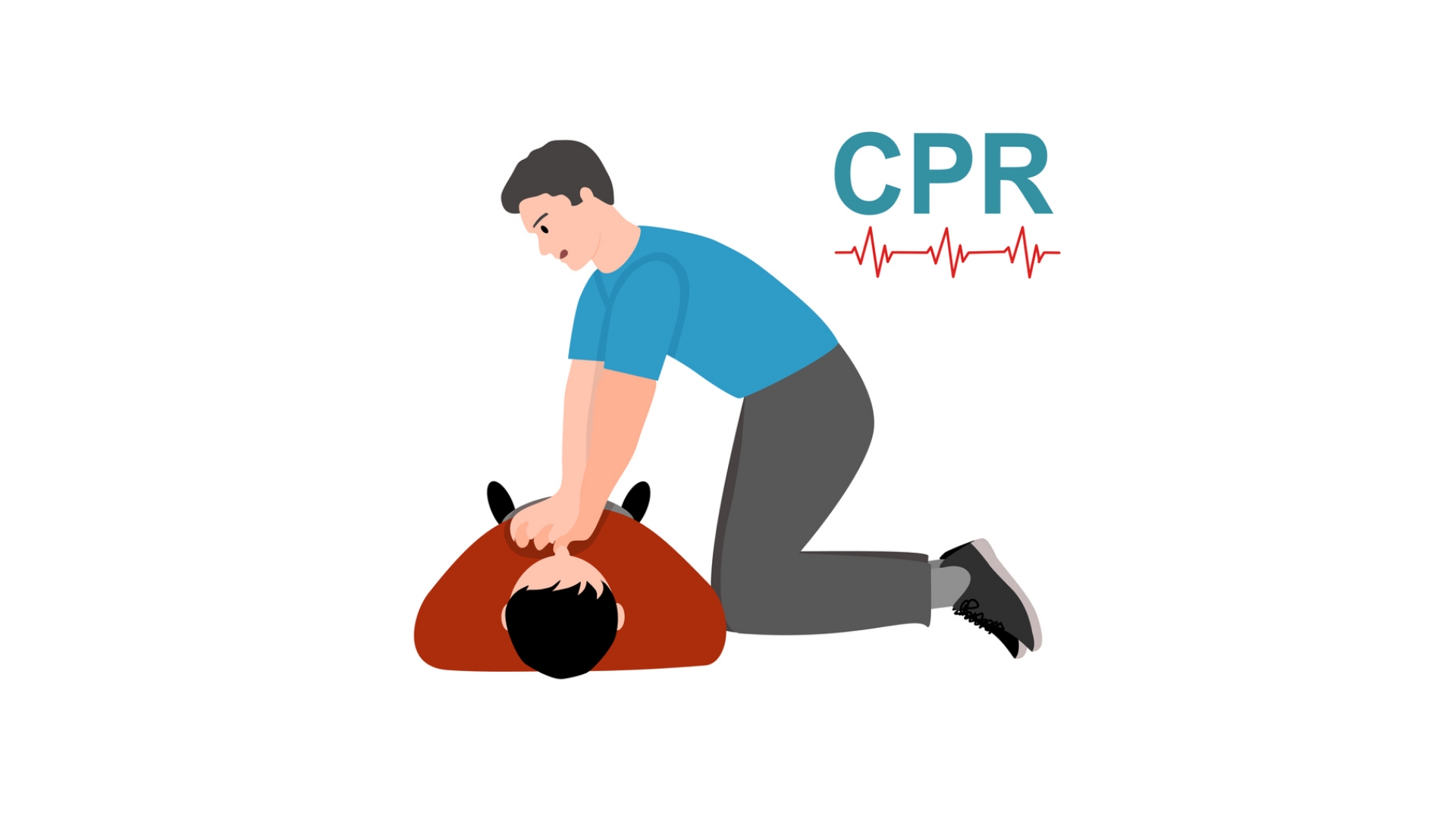
When someone suddenly collapses from cardiac arrest, every second counts. That’s where CPR comes in. CPR means Cardiopulmonary Resuscitation. It’s a life-saving technique. It helps keep blood and oxygen flowing to the brain and vital organs until medical help arrives. CPR is crucial. Knowing how to do it can be the difference between life and death. That’s why learning this skill is so important.
Many people have heard the term but aren’t always sure what CPR really involves. CPR is all about chest compressions and rescue breaths. In some cases, only chest compressions are used. This technique helps keep blood circulating when a person’s heart stops. If you’re a parent, teacher, healthcare worker, or friend, learning CPR helps you handle emergencies.
What is CPR?
The American Heart Association believes CPR is key to surviving sudden cardiac arrest. Since cardiac arrest can happen without warning, a fast response is critical. Doing CPR right away can boost survival chances. Being certified helps you respond quickly and effectively in an emergency.
In an emergency with sudden cardiac arrest, CPR can be vital for survival. This raises an important question – what exactly does CPR mean, and how is it done?
Get certified in CPR
CPR & AED Training
3-hour in-person training with a 2-year nationally recognized certification.
CPR, AED & First Aid Certification
Instructor-led on-site. Practice on real manikins and AED trainers.
What does CPR stand for?
CPR stands for cardiopulmonary resuscitation. It is used when the heart stops beating or can’t pump blood well during cardiac arrest. Without circulation, oxygen cannot reach the brain. This can lead to loss of consciousness and may cause brain damage in just a few minutes. If the brain is deprived of blood flow for too long, the damage can quickly become permanent.
CPR is a life-saving method. It’s used when someone’s heart or breathing stops. CPR helps keep blood and oxygen flowing until medical help arrives. Good circulation can greatly reduce the risk of serious harm and improve survival chances in emergencies.
Breaking It Down
Cardio
The term “cardio” comes from the Greek word kardía, meaning heart. The heart pumps oxygen-rich blood from the lungs to the body. Then, it brings deoxygenated blood back to the lungs for replenishment. This cycle is vital for life.
Pulmonary
The term “pulmonary” comes from the Latin word pulmo, meaning lung. When you breathe in, oxygen enters your lungs. Then, it travels through your blood to nourish your organs and cells. An adult at rest typically breathes around 12 to 20 times per minute.
Resuscitation
Resuscitation refers to reviving someone whose vital functions have stopped. When the heart stops, give CPR right away. This helps restore circulation and protects the brain and other organs. Acting quickly can significantly improve the chances of survival.
How to Perform CPR
If you find a person who is unconscious and not breathing properly, it is critical to act without delay.
Call. Push. Shock.
Here are the key steps for providing high-quality CPR:
- Make sure the scene is safe for you and the victim.
- Check breathing and responsiveness. If there is no breathing, or only unusual gasping, and the person is not responsive, the person needs CPR.
- Call 911! If you are alone, find a phone and call. If someone is with you, tell them to call 911 while you begin CPR. You can also call from your cell phone and put it on speakerphone as you begin compressions.
- Push! Start compressions as soon as possible.
- Shock. When an AED arrives, deliver a shock if needed.
- Continue CPR until prehospital providers arrive
Important details to remember.
Rescue breaths
The American Heart Association says chest compressions are more important than rescue breaths. It’s usually more vital to keep oxygen flowing in the body than to add more air.
If you’re trained, give rescue breaths with compressions. For adults, do two breaths after every 30 compressions. For children or infants, do two breaths after every 15 compressions. Keep interruptions small and avoid giving more air than necessary.
Hands-only CPR can still save a life if rescue breaths aren’t possible. Research shows that even imperfect chest compressions significantly raise the chances of survival.
Compressions
Compression depth changes as a person ages. Always press the chest steadily at 100 to 120 times per minute. To keep a steady rhythm, the American Heart Association recommends using songs that match your tempo.
EMS personnel
Keep doing CPR until medical professionals arrive. Step back when emergency responders take over the resuscitation.
RECOMMENDED
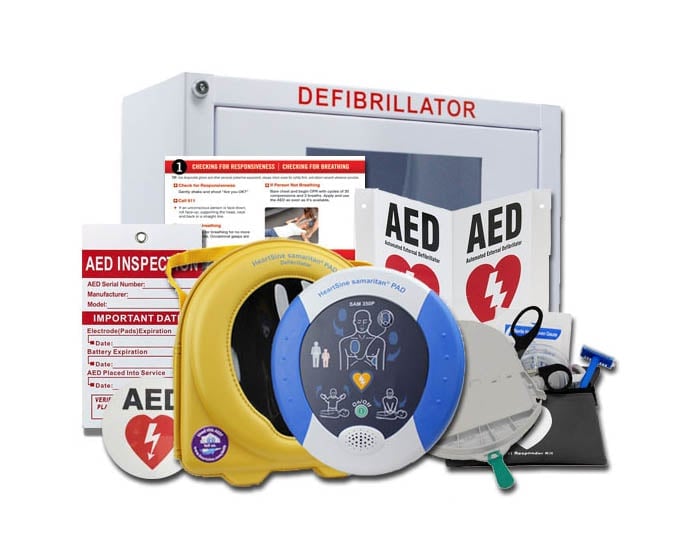
HeartSine Samaritan 350P AED Package
Compact, fully-automatic AED designed for first-time responders. Pads, battery, carry case and wall sign included.
What is an AED?
Every heartbeat starts with an electrical signal. When this rhythm fails, it can cause sudden cardiac arrest. An Automated External Defibrillator (AED) delivers a controlled shock. This helps restart the heart and restore a normal rhythm.
AED Benefits
Delivering a shock with an AED is a vital step in the chain of survival. These devices automatically analyze heart rhythms. They use advanced technology but are easy to use. Anyone can operate them with little training.
AEDs are designed to be simple. Yet, proper training builds confidence and saves time in emergencies.
Become a lifesaver!
Bystander response plays a crucial role in survival. A person who receives CPR before help arrives is much more likely to survive. Delays of a few minutes can be deadly without action.
Bystanders witness almost four out of ten sudden cardiac arrests. In those critical moments, taking action can save a life. CPR training gives you the skills and confidence to stay calm in emergencies. You’ll be ready to help when needed.
Early CPR boosts survival and recovery after sudden cardiac arrest. It can even help patients return with minimal lasting damage. Yet, despite its impact, only a limited number of people in the U.S. receive CPR training each year.
FAQs
What is the meaning of CPR in medical terms?
CPR stands for cardiopulmonary resuscitation. It combines chest compressions and rescue breaths. This technique helps save someone who is in cardiac arrest.
What does the acronym CPR stand for in the chain of survival?
CPR stands for cardiopulmonary resuscitation. It’s a key part of the chain of survival. This means it helps improve a person’s chances of surviving sudden cardiac arrest.
Why is CPR important in the chain of survival?
CPR is vital. It helps pump blood and deliver oxygen to the brain and organs. This support lasts until defibrillation or advanced care arrives. CPR is a key step in the chain of survival.
Who should learn CPR and why?
Everyone should learn CPR. It stands for a skill that can double or triple survival rates in cardiac emergencies.

Not sure which AED or training fits your needs?
An MDSI medical-oversight expert walks you through it — no obligation.
Talk to an expert →Conclusion
CPR stands for cardiopulmonary resuscitation. It’s not medical knowledge; it’s a life-saving skill. CPR stands for cardiopulmonary resuscitation. It is crucial in the survival chain. CPR keeps blood and oxygen flowing until help arrives. Quick action matters. Whether you use full CPR with breaths or hands-only compressions, it can mean life or death. Training boosts your confidence. It also prepares you to act in crucial moments and may help save a life.