
CPR and BLS are vital emergency techniques that save lives. But they are not the same. CPR focuses on restoring breathing and circulation through chest compressions and rescue breaths. BLS, yet, is more detailed and meant for healthcare workers. It covers advanced skills, team response, and the use of medical equipment. Each training has its scope and depth. So it’s key to know which one suits your role best.
Choosing CPR or BLS certification depends on where you are and the care needed. BLS is often required in hospitals. CPR is for everyone else, like workplace responders. Every course is important for better outcomes in medical emergencies. Knowing the differences helps ensure proper readiness when every second matters.
BLS vs CPR
CPR and BLS both help people in cardiac or breathing emergencies. Yet, they differ in complexity and who they are meant for. CPR is primarily intended for lay responders. It teaches basic skills, such as chest compressions and rescue breathing. BLS is more advanced and aimed at healthcare professionals. It includes extra skills like team-based responses and using medical equipment. Understanding these distinctions is essential when choosing the appropriate certification for your role.
- Target Audience: CPR certification is for everyone, especially those in non-medical jobs. It helps prepare people to assist in emergencies. BLS certification is designed for medical staff and healthcare providers. It focuses on advanced training in life-saving procedures in clinical settings.
- Depth of Training: CPR certification teaches chest compressions, how to use an AED, and basic first aid. BLS training goes further. It covers CPR for all ages, airway management, and teamwork in medical care.
- Certification Requirements: CPR certification usually needs renewal every two years. BLS certification might need more frequent renewal, often every one to two years. This is especially true for people in healthcare.
- Application: CPR is often needed in emergencies. These can happen in public places, schools, or sports events. Immediate help is essential. BLS is mainly used in medical places like hospitals, clinics, and emergency units.
Target Audience
Whether you are a teacher, a coach, or a spectator, the goal is the same. You will learn to act confidently and save lives when it matters most.
BLS certification is for medical professionals dealing with advanced emergencies in clinics. It offers detailed training for handling critical situations in hospitals, clinics, and emergencies. This helps ensure better readiness and skill.
Depth of Training
CPR certification teaches vital skills to save lives. You learn chest compressions, rescue breathing, and how to use an AED. The focus is on responding quickly during cardiac or choking emergencies. It usually covers basic first aid. It follows trusted guidelines, like those from the American Heart Association. This helps ensure proper certification and readiness.
BLS certification gives medical professionals detailed training. It includes advanced CPR methods, airway management, and how to work as a team in emergencies. It trains participants to handle important situations in clinical settings. This shows the greater skills and responsibilities expected in healthcare jobs.
Certification Requirements
CPR certification lasts for two years. You need to renew it to keep up with new guidelines. This timeframe works for non-medical people. They may not face emergencies often, but they still need vital, life-saving skills.
BLS certification usually needs renewal every one to two years. Healthcare professionals often update their skills to keep up with changing medical standards. This shorter cycle keeps them ready to give top care in busy clinical settings.
Application
CPR certification is widely useful in everyday situations outside of medical environments. It helps people act during emergencies in schools, gyms, public places, or events. This skill is valuable for anyone who wants to be ready when every second counts.
BLS certification is for medical professionals in hospitals, clinics, and emergency services. They are trained to provide advanced life-saving care in emergencies. This makes them vital members of any healthcare response team.
Who typically administers BLS?
BLS is typically performed by trained medical staff. This includes doctors, nurses, EMTs, and paramedics. They work in places like hospitals, clinics, and emergency services.
Why is early recognition and initiation of BLS important in emergency situations?
Noticing an emergency early and starting BLS right away improves survival chances. Taking quick action helps keep oxygen and blood flowing to vital organs. This support is crucial until professional care arrives and can boost recovery chances.
What equipment is commonly used during BLS procedures?
BLS procedures often use tools like an AED. This device helps restore a normal heart rhythm during cardiac arrest. They also use barrier devices or pocket masks for safe rescue breathing. Additionally, bag-valve masks support ventilation when needed.
Get certified in CPR
CPR & AED Training
3-hour in-person training with a 2-year nationally recognized certification.
CPR, AED & First Aid Certification
Instructor-led on-site. Practice on real manikins and AED trainers.
What is CPR certification?
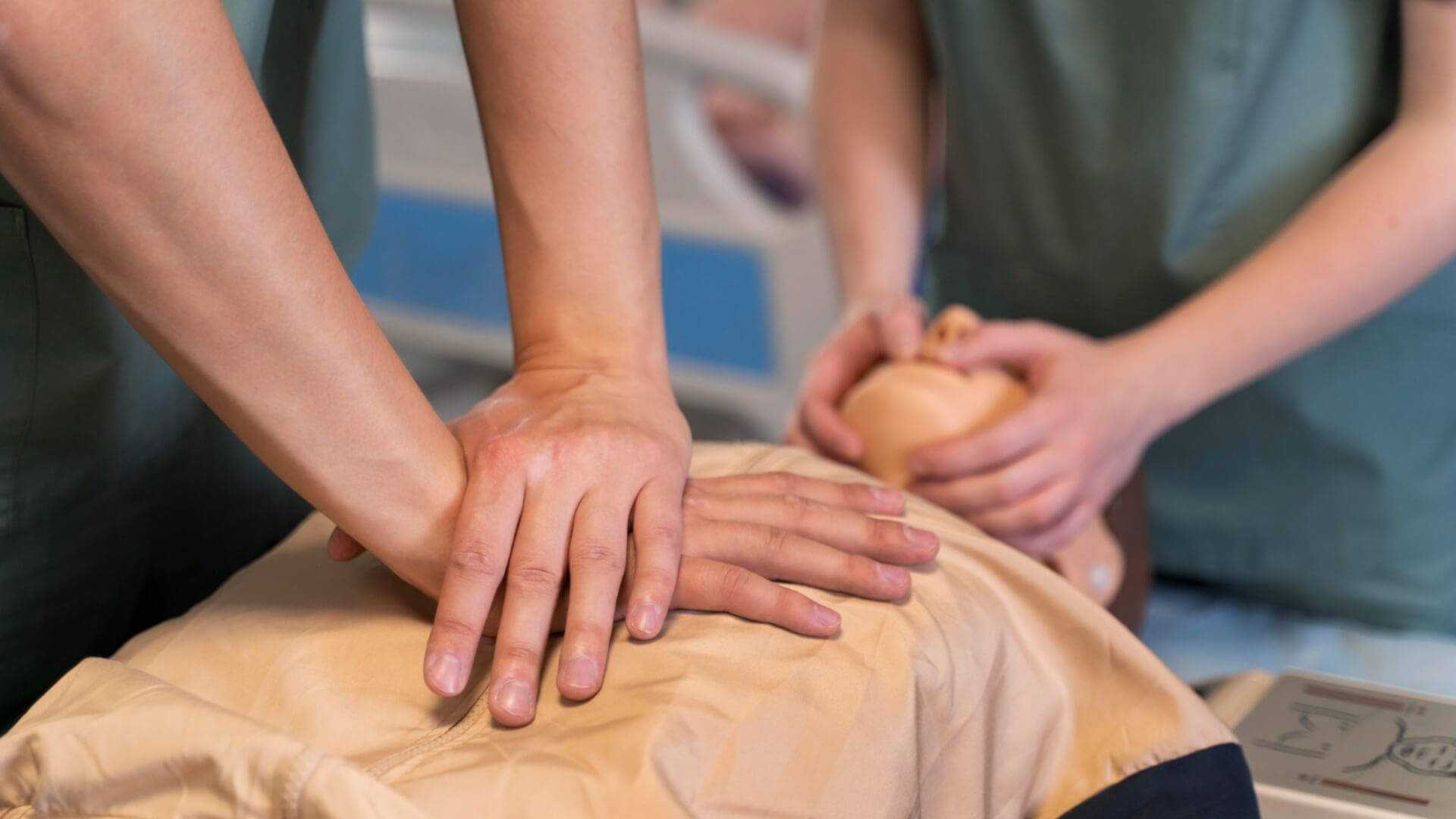
CPR, or Cardiopulmonary Resuscitation, is an essential emergency method. It is used when a person’s heart stops or they cannot breathe. CPR combines chest compressions and rescue breaths. This helps keep blood and oxygen flowing until professionals arrive.
- Chest Compressions: To do CPR well, you must master the right depth, speed, and technique for chest compressions.
- Rescue Breaths: Giving rescue breaths correctly is key to good ventilation. This is essential for effective CPR.
- AED (Automated External Defibrillator) Use: Training covers the use of an AED. This device can restart the heart. It delivers a controlled shock for some cardiac arrest cases.
- Choking Response: Training teaches how to assist someone who is choking. It includes techniques like the Heimlich maneuver to clear blocked airways.
- First Aid Skills: Basic first aid principles, such as wound care and recognizing the signs of a heart attack or stroke.
- Legal and Ethical Considerations: CPR training covers the legal and ethical duties of helping in emergencies.
Many jobs, such as teachers, lifeguards, and childcare workers, need CPR certification. It’s also a good idea for anyone who wants to be prepared for cardiac emergencies in everyday life.
What is BLS certification?
BLS certification gives more in-depth training than regular CPR. It targets medical professionals, including doctors, nurses, and first responders. It prepares them to handle heart and breathing emergencies in both adults and kids. This leads to better clinical care.
- CPR for Healthcare Providers: The training covers chest compressions, rescue breathing, and advanced airway management.
- Team Dynamics: The training emphasizes clear communication and teamwork among healthcare providers when resuscitating patients.
- Use of Bag-Valve-Mask (BVM) Devices: The course teaches how to deliver assisted breaths effectively with a bag-valve-mask device.
- Pediatric BLS: Healthcare providers get special training in CPR and resuscitation for infants and children.
- Automated External Defibrillator (AED) Use: The training sharpens AED usage skills specifically for clinical and emergency care environments.
RECOMMENDED
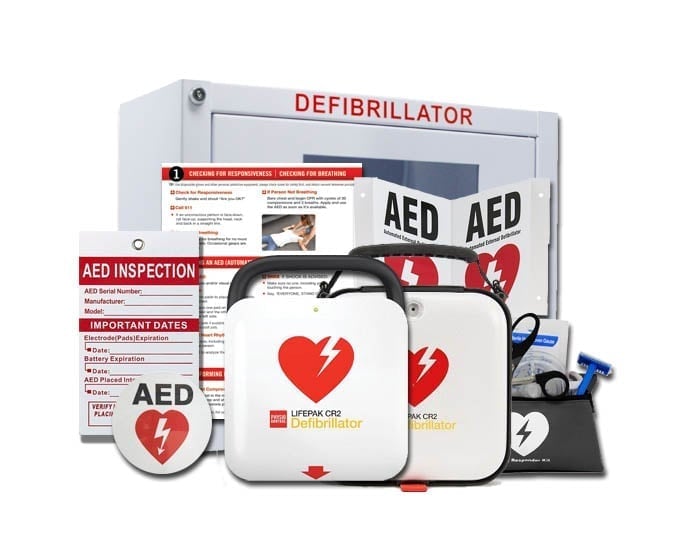
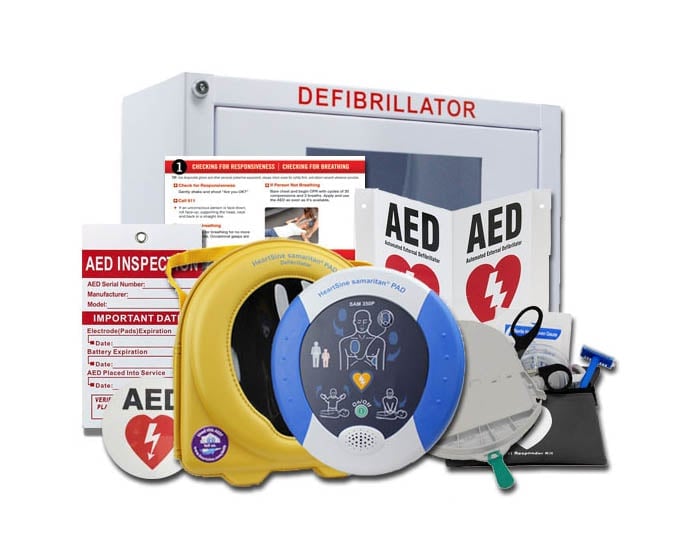
HeartSine Samaritan 350P AED Package
Compact, fully-automatic AED designed for first-time responders. Pads, battery, carry case and wall sign included.
Importance of CPR and BLS certification.
CPR and online BLS certification are key for saving lives during heart and breathing crises. CPR teaches everyday people to respond quickly in common situations. BLS provides healthcare workers with the advanced skills they need for patient care.
- Increased Survival Rates: Quick and correct use of CPR and BLS can significantly improve survival rates for cardiac arrest victims.
- Immediate Response: Certified people can respond quickly in emergencies. They help bridge the gap between the incident and life-saving care.
- Professional Competence: BLS-certified healthcare professionals can handle more complex resuscitation cases in clinical settings.
- Legal and Ethical Responsibility: Getting CPR and BLS certification shows you care about helping others. It also fulfills your ethical and legal duty to respond in emergencies.
Taking a certified course is key to learning CPR or BLS safely and well. CPR certification is a great start. It lays the groundwork for the more advanced BLS training that comes next.
What is the difference between BLS and BCLS certifications?
BLS and BCLS certifications teach important life-saving skills. These include CPR, AED use, and how to respond to choking. The primary difference lies in the naming conventions used by different training providers. The content stays mostly the same, but the name usually shows who the audience is. It doesn’t mean that what is taught changes much.
At CPR Select, BLS certification is for healthcare professionals. BCLS, but, is for people outside the medical field. Though the programs have different labels, both provide strong training for emergencies. This training equips individuals for work in clinical settings and daily life.
FAQs
What is BLS, and how is it different from CPR?
BLS, or Basic Life Support, is life-saving training mainly for healthcare workers. It covers CPR. It also includes team dynamics, advanced airway management, and complex resuscitation scenarios. CPR teaches simple techniques for cardiac arrest. It is usually offered to everyone. So, while both are related, BLS is more comprehensive.
Is BLS the same as CPR?
No, BLS is not exactly the same as CPR. CPR is a component of BLS, but BLS covers a broader range of emergency response skills. CPR is easy for anyone to learn. It involves chest compressions, rescue breaths, and using an AED. BLS, however, is more intensive and includes skills required for healthcare environments.
Is Basic Life Support the same as CPR certification?
Basic Life Support certification covers CPR, but it is more advanced. It is meant for clinical professionals such as nurses, doctors, and EMTs. CPR certification is mainly for non-healthcare providers. It helps them respond to emergencies in public spaces, schools, or workplaces.
What does adult and pediatric first aid/CPR/AED training cover?
Adult and Pediatric First Aid/CPR/AED training shows you how to respond to breathing and heart emergencies for anyone. It covers techniques for CPR, using an AED, and basic first aid skills for both children and adults. This course is ideal for teachers, childcare workers, and parents.
Which training should I take: BLS vs. CPR?
If you work in healthcare or plan to, BLS certification is a great choice. It prepares you for more complex scenarios with a focus on clinical skills. For non-medical people, CPR certification is enough. It gives you the tools you need to help in common emergencies.
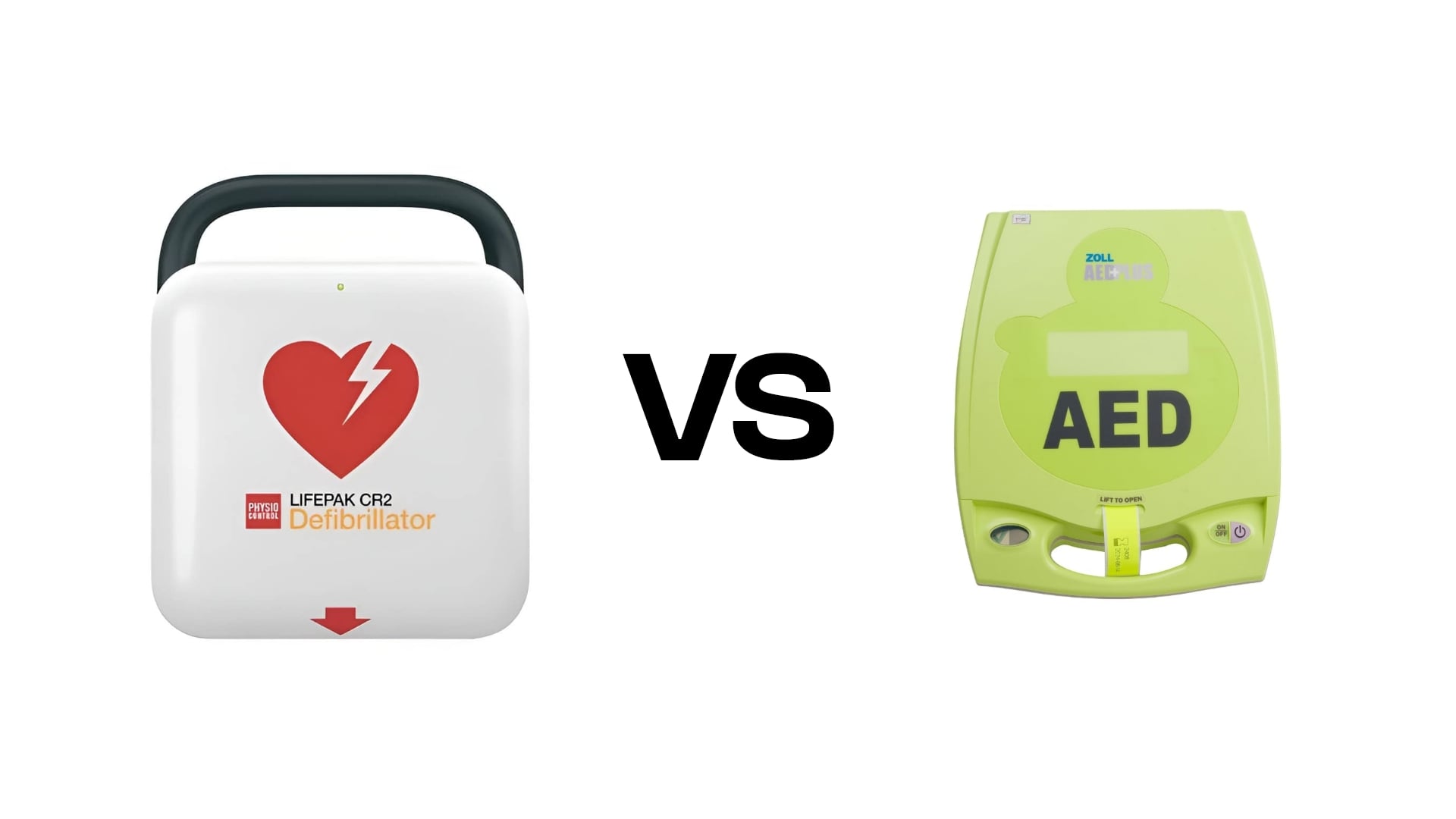
Not sure which AED or training fits your needs?
An MDSI medical-oversight expert walks you through it — no obligation.
Talk to an expert →Conclusion
In conclusion, CPR and BLS certifications are vital for emergency response. They meet different needs depending on the setting and required level of care. CPR is great for anyone wanting to give basic help in daily situations. BLS is better for those in medical and clinical jobs, as it provides more advanced training. Everyone, whether a citizen, teacher, or healthcare worker, needs these life-saving skills. They can make a difference when every second counts. Picking the right certification helps you feel ready to manage a crisis confidently.