
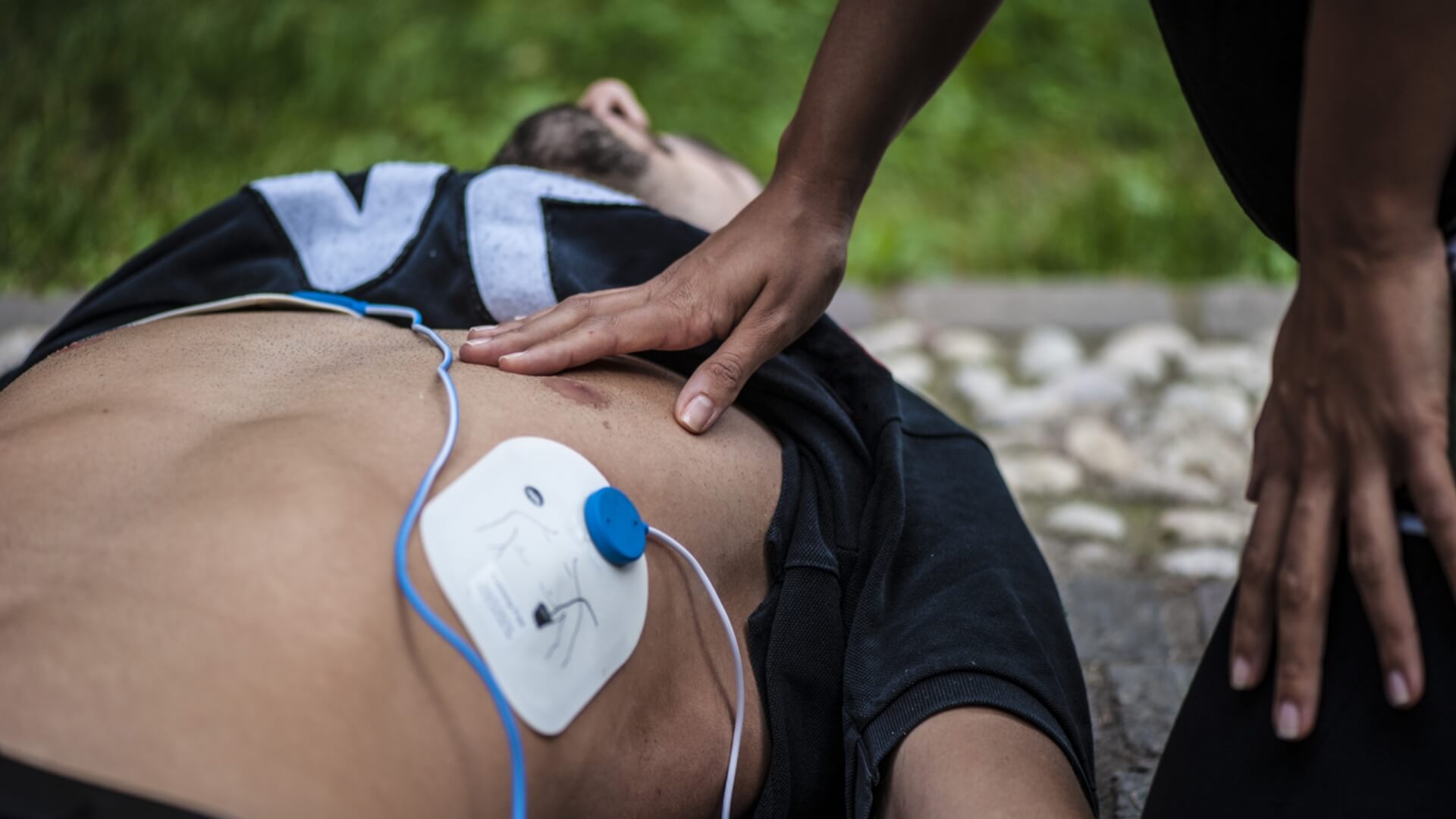
When someone has a sudden cardiac arrest, quick action from bystanders is crucial for survival. Giving CPR right away keeps oxygen-rich blood flowing to the heart, brain, and vital organs. This buys important time until help arrives. In some cases, rescuers may also provide manual breaths to support circulation. These efforts keep going until the person starts to breathe, cough, or get a pulse. This shows that their heart is beating again.
What is high-quality CPR?
High-quality CPR meets strict standards set by global guidelines. It is key to improving outcomes in cardiac arrest. This level of care boosts survival chances. It can make a full neurological recovery four times more likely.
Check the scene for safety first. Then, call 911 for help before starting CPR. If possible, start chest compressions while someone else makes the call. Yet, if you’re alone and must choose, contacting 911 should come first to ensure help is on the way.
Get certified in CPR
CPR & AED Training
3-hour in-person training with a 2-year nationally recognized certification.
CPR, AED & First Aid Certification
Instructor-led on-site. Practice on real manikins and AED trainers.
Components of High-Quality CPR
After the 2020 changes to international CPR standards, the AHA released new guidelines. These aim to improve high-quality CPR for adults. These updates focus on four main metrics. They aim to enhance safety and effectiveness in resuscitation.
1. Safe, Supportive Positioning and Location
Good hand placement is key for safe and effective chest compressions in CPR. Put one hand on the lower third of the chest center. Then, place your other hand on top and lock your fingers for a strong grip.
Only perform CPR where you find the victim if it is safe to do so. The person should lie on their back on a firm surface. This position helps ensure effective compressions. Avoid moving them unless necessary.
2. Compression Rate and Depth
For high-quality CPR, it’s important to keep the compression rate between 100 and 120 per minute. Going faster or slower than this range can lower the victim’s chance of survival.
The American Heart Association made a playlist of popular songs. These songs have a beat that matches the correct chest compression rate. Each track falls within the recommended 100 to 120 beats per minute range.
When doing compressions, balance the time pushing down with the time for the chest to rise back up fully. Don’t rest your hands or lean on the chest between compressions. This can make them less effective.
When doing CPR, push down on the chest at least two inches deep. Don’t go deeper than 2.4 inches for adults. For infants and young children, the depth should range from about 1.5 to 2 inches, depending on age. Ensuring proper compression depth is key to effective CPR.
3. Chest Compression Fraction, Rescue Breathing, and Pauses
Chest compression fraction is the percentage of time spent doing compressions in CPR. To keep good circulation, limit pauses. Also, maintain the CCF at 60% or more, as the AHA recommends. Give rescue breaths quickly. Each breath should last about one second.
In cardiac arrest, blood oxygen levels may stay okay for a few minutes. Yet, circulation stops. Healthcare providers must do chest compressions. This helps move oxygen to vital organs. Pauses in compressions slow blood flow. This stops oxygen from getting to the tissues that need it most.
The American Heart Association recommends a 30:2 compression-to-breath ratio for adult CPR. This applies to both one-rescuer and two-rescuer situations. This means giving 30 compressions followed by 2 rescue breaths in each cycle.
4. AED shocks
If an AED is nearby, turn it on right away. Then, follow the voice prompts to give a safe and effective shock quickly.
High-Quality CPR Steps
CPR techniques change depending on a person’s age and size. There are clear guidelines for infants, children, and adults. These rules help ensure CPR is done safely and effectively.
Here are the Key Steps for Providing High-Quality CPR
- Make sure the scene is safe for you and the victim.
- If someone isn’t breathing or only gasping, give CPR immediately.
- Call 911! If you’re alone, find a phone without delay and call 911. If someone is with you, have them make the call while you start CPR. Using your phone on speaker allows you to call and give compressions at the same time.
- Push! Begin chest compressions right away. Hands-only CPR, even when not perfect, can greatly increase someone’s chances of survival. If you are trained, give rescue breaths—two for every 30 compressions. Keep pauses short and don’t over-ventilate. If not, hands-only CPR remains effective and can save lives.
- Once high-quality CPR has started, the next step is to use an AED as soon as it’s available. If advised, deliver a shock without delay.
- Continue CPR until prehospital providers arrive.
RECOMMENDED
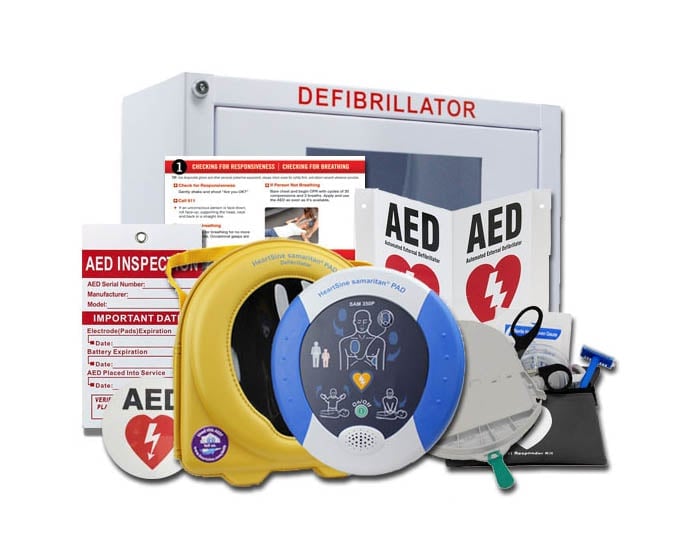
HeartSine Samaritan 350P AED Package
Compact, fully-automatic AED designed for first-time responders. Pads, battery, carry case and wall sign included.
5 common CPR mistakes to avoid
1. Rescuer Exhaustion
Giving chest compressions at the right depth and speed can tire you out quickly. This fatigue may cause compressions to become shallow and slow. It can also lead to incomplete chest recoil if you lean too much. The AHA suggests that rescuers should switch every two minutes if they can. This helps keep CPR effective.
2. Leaning on the victim too much
Between compressions, lift your weight off the chest. This lets the chest return to its original position. This expansion helps draw blood back into the heart, providing the oxygen it needs. Pressing on the chest between compressions stops full recoil. This reduces blood flow and lowers how well CPR works.
3. Mistiming Chest Compressions Around AED Shocks
Don’t touch the victim during an AED shock to prevent injury. Also, reduce the time between stopping compressions and delivering the shock. Resume compression immediately once it is safe to do so.
4. Checking for a pulse
According to the AHA, only healthcare professionals should check for a pulse. If you’re a lay rescuer, trained or not, don’t spend time trying to find one. It’s easy to make a mistake and lose valuable seconds in an emergency.
5. Overemphasis on Rescue Breaths
If you can’t give rescue breaths, the AHA recommends doing compression-only CPR. If an adult collapses, call 911 right away. Then, start chest compressions. Push hard and fast in the center of the chest, with few pauses. It’s more important to keep blood flowing to vital organs than to take extra breaths for oxygen.
FAQs
What is the recommended compression rate for high-quality CPR?
The best compression rate for high-quality CPR is 100 to 120 compressions per minute. Staying in this range helps blood flow during cardiac arrest. This can boost survival chances.
Which of the following is a component of high-quality CPR?
Components of high-quality CPR include the correct compression rate and depth, full chest recoil, minimal interruptions, and proper hand placement. These elements work together to maintain circulation and improve outcomes for the victim.
What is the correct compression depth during CPR?
For adults, compress the chest at least 2 inches deep but not more than 2.4 inches. For children and infants, the depth is shallower, ranging from 1.5 to 2 inches depending on age and size.
Which adult victim requires high-quality CPR?
Any adult who isn’t breathing normally or is gasping requires immediate high-quality CPR. Immediate chest compressions can significantly increase the likelihood of survival.
What should I do if I’m untrained in rescue breaths?
If you can’t give rescue breaths, do hands-only CPR. Push hard and fast in the center of the chest. Compression-only CPR is effective and endorsed by the AHA for rescuers without training.
Why is minimizing pauses in compressions important?
Pauses in chest compressions reduce blood flow to the brain and heart. Keeping interruptions brief helps maintain circulation, which is critical during cardiac arrest.
How does full chest recoil affect CPR quality?
Let the chest fully rise between compressions. This helps bring blood back into the heart. Pressing on the chest slows down this process and makes CPR less effective.

Not sure which AED or training fits your needs?
An MDSI medical-oversight expert walks you through it — no obligation.
Talk to an expert →Conclusion
High-quality CPR can make the difference between life and death during cardiac arrest. Bystanders and responders can help boost a victim’s chance of survival. They need to grasp key points. These include the right compression rate, depth, and full chest recoil. Knowing when and how to act keeps vital oxygen flowing to the heart and brain, whether you’re trained or not. Even hands-only CPR, when done promptly and effectively, can save lives. Empower yourself with the knowledge and confidence to respond—because every second counts.