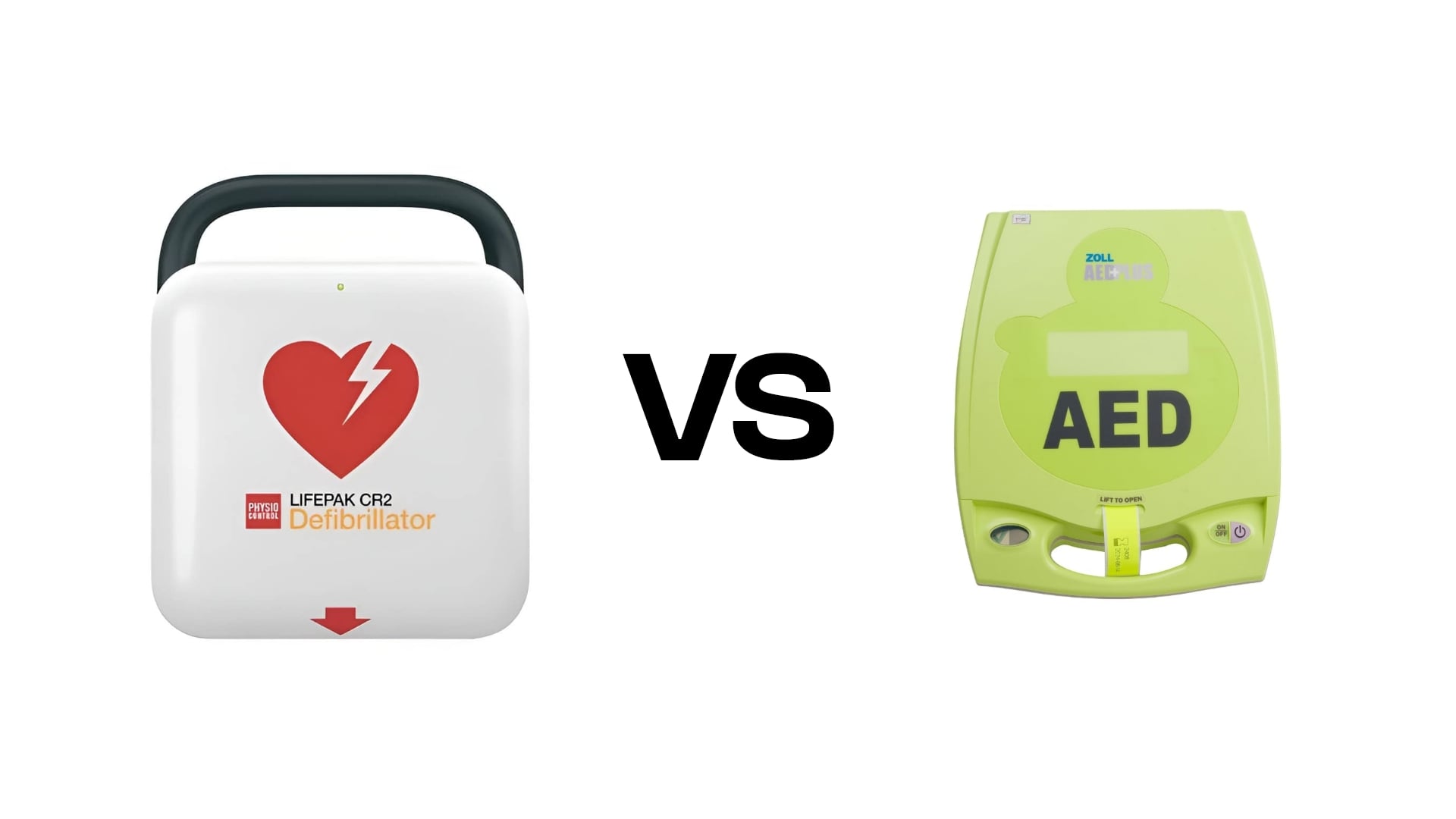


A do-not-resuscitate order, or DNR, tells doctors not to do CPR if someone’s heart or breathing stops. Knowing what a DNR means is important. It affects care when someone is in cardiac arrest and has this order.
What is a DNR order?
A do-not-resuscitate order, or DNR, is a doctor’s instruction. It tells healthcare providers not to do CPR if a patient’s heart stops. It’s often made for people with serious health issues. This way, their wishes are honored in emergencies.
Get certified in CPR
CPR & AED Training
3-hour in-person training with a 2-year nationally recognized certification.
CPR, AED & First Aid Certification
Instructor-led on-site. Practice on real manikins and AED trainers.
Which procedures does a DNR include?
A do-not-resuscitate order restricts some life-saving measures, mainly CPR. It still permits patients to receive other essential treatments and care. A DNR means that if someone has a cardiac arrest, medical teams won’t try to resuscitate. They will still offer comfort and treat other conditions. Rules can vary by state.
In some states, patients can fill out separate forms. These forms indicate their wishes for life-sustaining treatments, along with a standard DNR.
What does CPR involve?
CPR given in hospitals or by emergency teams is more advanced than what bystanders do. Knowing these differences helps explain the care a DNR does not want.
Chest Compressions
Chest compressions help circulate blood during cardiac arrest when the heart stops. Rescuers press firmly and quickly on the chest. This mimics the heart’s pumping action and keeps blood flowing through the body.
Intubation
Intubation is a hospital procedure. It’s used when a patient can’t breathe well on their own. A tube goes through the mouth into the airway. It connects to a ventilator that sends air straight to the lungs.
Electric Shock
Sudden cardiac arrest often results from abnormal heart rhythms. Some arrhythmias can’t be fixed by an AED, but others need it. The device delivers an electric shock that can help restore the heart’s normal rhythm.
Medications
In a hospital, when a patient has a cardiac arrest, they often get IV medications, such as epinephrine. This method helps the drug enter the bloodstream quickly.
How do you get a DNR?
The steps for obtaining a DNR differ from state to state, as each has its laws and required forms. The process usually starts with a talk between the patient and their doctor. But in serious cases, a healthcare proxy might make decisions for the patient.
Many patients think about a DNR only after a serious hospital stay. This moment can be very stressful for families. Deciding on such an order often involves difficult and deeply personal choices.
Doctors must follow the laws of their state and can guide patients through the DNR process. When you and your doctor agree, the signed order is now an official part of your medical records.
In some states, patients might get a bracelet, wallet card, or other DNR identifier. This helps make their wishes clear in an emergency. You can find simple forms to record medical details. These can be kept at home for rescuers to access quickly.
Advance Care Directives
Advance care directives offer more than a DNR. They provide clear instructions about medical treatment at the end of life. They may address choices on palliative care, resuscitation, and other supportive measures.
Patients should add their DNR to advance care directives. They must also share their wishes with family and healthcare providers. This way, their preferences are respected in emergencies or at the end of life.
RECOMMENDED
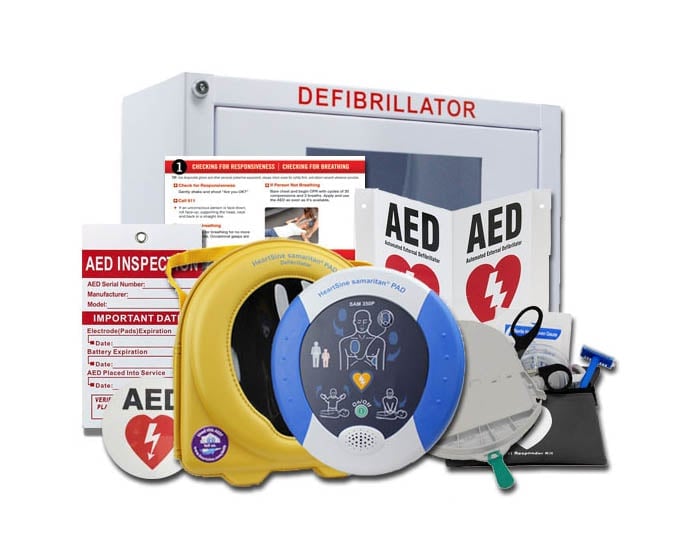
HeartSine Samaritan 350P AED Package
Compact, fully-automatic AED designed for first-time responders. Pads, battery, carry case and wall sign included.
What are the types of DNRs?
A DNR usually covers CPR and treatments like defibrillation. Yet, there are other types that set specific limits on care. The exact options available can differ depending on state laws:
- Do not attempt resuscitation (DNAR). This order is like a DNR. Yet, some healthcare facilities or regions may call it something different.
- Allow Natural Death (AND). This order lets providers focus on comfort care. The main goal is to ease pain and reduce distress in a patient’s final moments.
- Do not intubate (DNI). This directive tells healthcare providers you don’t want a ventilator or breathing tube if you can’t breathe on your own.
- Specified DNRs. These are customized DNR orders. They let patients refuse some treatments, like CPR. Yet, they still allow other treatments, such as defibrillation, if necessary.
- Comfort care orders. These directives explain the care you want at the end of life. They make sure your wishes are honored and focus on comfort and relief from suffering.
DNR orders differ by state laws and personal situations. Your doctor can help you understand the options that fit your care.
Rules for DNR orders
DNR laws vary by state in the U.S., but there are key guidelines to ensure that the order is legally valid.
- A DNR cannot be given verbally; it must be completed on an official form and properly signed to be valid.
- Must show the patient’s correct legal name.
- A DNR must include a date, and in some states, laws determine how long the order stays valid.
- Must be signed by a physician.
How to make a DNR work for you
A DNR works only if it’s filled out correctly. If it’s not documented correctly, medical responders must step in. Ensuring the order is executed properly is essential to having your wishes respected.
- Keep a physical copy of your DNR handy. Some states need the original document on file. Be sure to understand the rules where you live and in any state you may travel to.
- Make sure your family and close friends know about your DNR. This way, they can provide the document when needed to follow your wishes.
- A bracelet or necklace can show rescuers your DNR status quickly.
FAQs
What happens if a DNR is not followed?
DNR orders can be missed if responders don’t know about them or if they aren’t filled out correctly. If a provider ignores a valid order, they might get complaints. They could also face discipline or even legal issues.
What is included in a DNR order?
Most DNRs only cover CPR. So, you need an advance care directive to address other medical choices at the end of life.
What is a unilateral DNR?
A unilateral DNR is placed by a physician and may override the wishes of the patient or family. It’s often debated, but doctors usually use it when they think that more treatment won’t help or might hurt.
What is a DNR bracelet?
A DNR bracelet is a medical ID you wear. It tells emergency responders that you have a do-not-resuscitate order.
What is the difference between a DNR and a living will?
A DNR means a person does not want CPR. A living will gives wider instructions for medical care. This applies in cases such as terminal illness or irreversible unconsciousness.
Who Can Sign a DNR Order?
A DNR is valid only when a doctor and the patient sign it. In some cases, a legal guardian or designated decision-maker can sign instead.

Not sure which AED or training fits your needs?
An MDSI medical-oversight expert walks you through it — no obligation.
Talk to an expert →Conclusion
Knowing what a DNR means and how it works is key to making smart choices about medical care. Clear instructions make tough decisions easier. They ensure a person’s wishes are honored. They also help families and healthcare providers know how to act in crucial times. Knowing about DNRs and similar directives helps patients face the future clearly, with dignity and peace of mind.