
CPR, or cardiopulmonary resuscitation, is a vital emergency procedure. It was created in the 1960s. CPR helps keep someone alive when their heart stops beating normally. Chest compressions and rescue breaths keep blood and oxygen moving until help arrives. CPR is a vital part of surviving sudden cardiac arrest. It can greatly boost a person’s chances of recovery in life-threatening situations.
If your CPR training is over ten years old, you may be curious. Mouth-to-mouth is no longer in standard guidelines.
The move to hands-only CPR
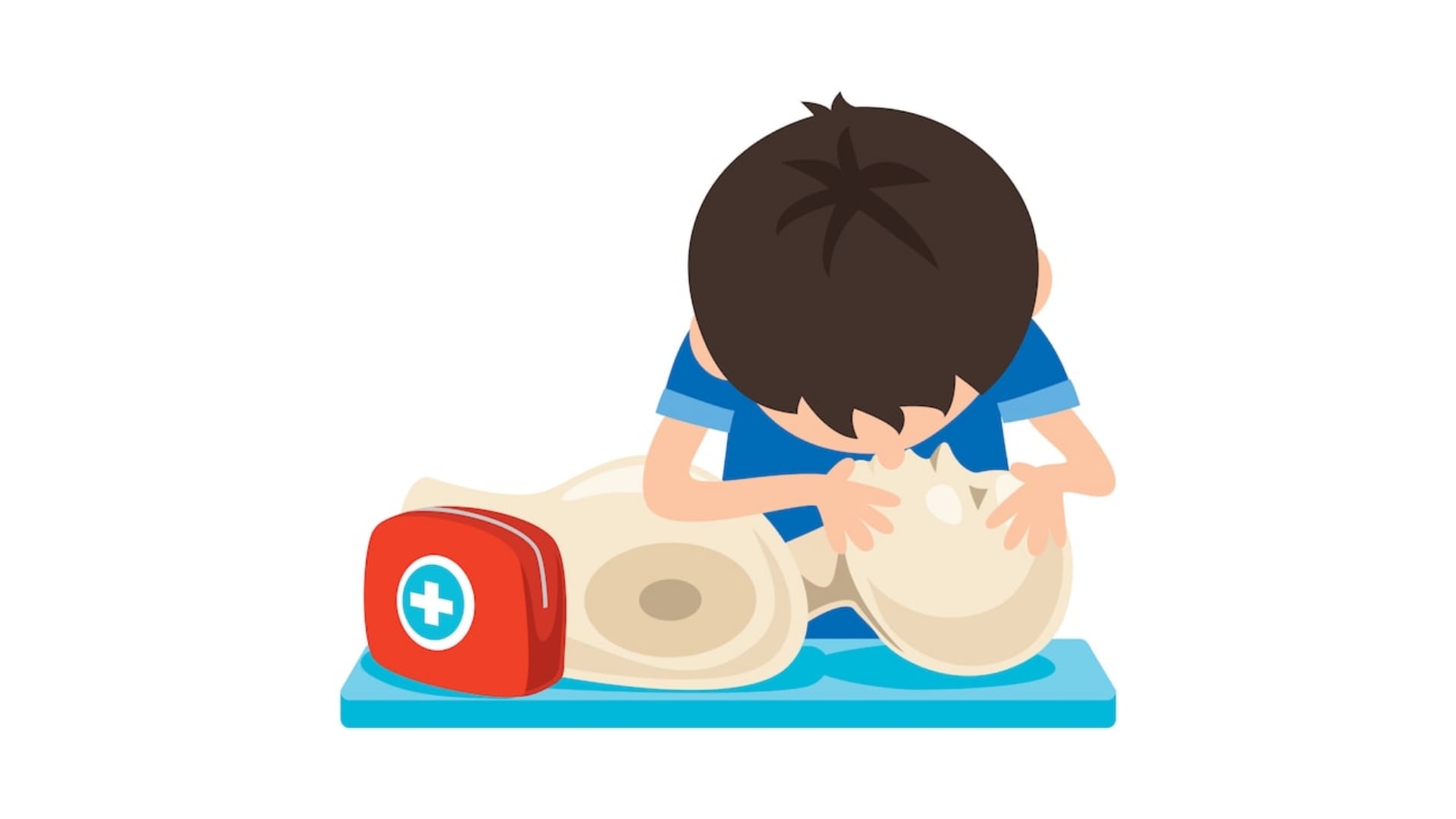
Rescue breaths, or mouth-to-mouth, mean breathing into someone’s mouth. This helps get oxygen to their lungs. This step can make untrained bystanders feel uncomfortable or hesitant. They might be uneasy about getting so close.
In 2008, the American Heart Association updated its guidelines. They removed rescue breaths to encourage Hands-Only CPR. This change was based on research about public attitudes and bystander responses. It aimed to cut down on hesitation during emergencies and boost lifesaving actions.
Get certified in CPR
CPR & AED Training
3-hour in-person training with a 2-year nationally recognized certification.
CPR, AED & First Aid Certification
Instructor-led on-site. Practice on real manikins and AED trainers.
Why the shift?
Lynn White, Vice-Chair of the American Red Cross Scientific Advisory Council, says that adults can use compression-only CPR. This is an option if the rescuer does not want to give breaths. This recommendation stresses the need to begin chest compressions right away. Doing so can boost survival chances.
Trained responders should still give rescue breaths during CPR. This can help increase survival rates. Promoting Hands-Only CPR encourages the public to act quickly. It helps people feel confident, so they won’t hesitate to help.
Rescue breaths as a barrier to care
Research shows that hesitating to give rescue breaths can be harmful. This hesitation might come from doubts about the technique, safety worries, or feeling uneasy with close contact. Such delays can lead to missed rescue opportunities.
Untrained bystanders often pause before giving rescue breaths. But experts say taking action is always better than doing nothing. Call 911, begin chest compressions, and get an AED. These actions can save a life.
Lynn White, MS, FAEMS, American Red Cross Scientific Advisory Council
Mouth-to-mouth means you have to touch someone else’s mouth and fluids. This can make people hesitant, especially if they don’t know the person well. Fears of disease spread, made worse by COVID-19, have changed CPR guidelines.
These concerns show why alternatives like Hands-Only CPR matter. This method reduces the risk of spreading disease. It also offers effective support during heart emergencies.
Interrupting the flow of CPR
Doing CPR with rescue breaths and chest compressions is harder than Hands-Only CPR. Keeping the right breath-to-compression ratio and a steady rhythm can be tough. Experts often debate whether chest compressions or rescue breaths are more important.
Research shows that CPR without rescue breaths can be as effective as traditional methods, or even more so. This is because constant chest compressions keep blood flowing during cardiac arrest. Pausing for mouth-to-mouth can slow down circulation, especially in the first few minutes. That’s why Hands-Only CPR is faster and more continuous.
RECOMMENDED
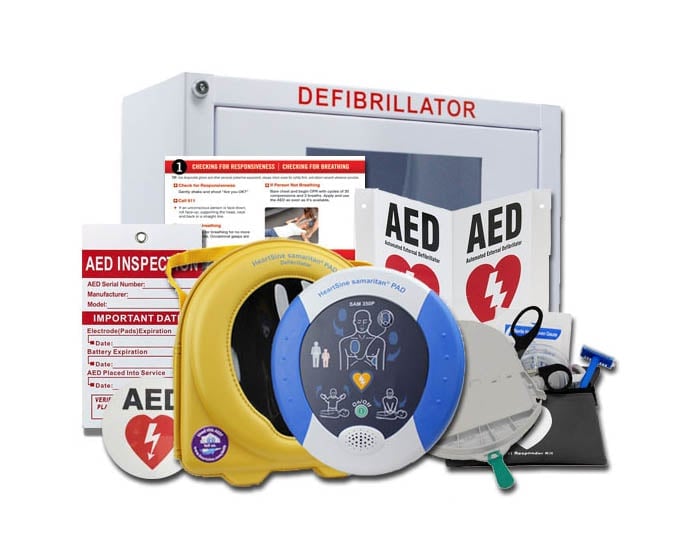
HeartSine Samaritan 350P AED Package
Compact, fully-automatic AED designed for first-time responders. Pads, battery, carry case and wall sign included.
The best way to save a life.
CPR helps keep blood flowing during cardiac arrest. Yet, only a shock from an Automated External Defibrillator (AED) can restart the heart and save a life.
Defibrillation speed is key for surviving cardiac arrest, studies show. CPR keeps the victim alive until a rescuer can use a defibrillator to restore the heart’s rhythm.
The MDSI Connect AED follows AHA CPR guidelines. It checks the heart rhythm and advises if a shock is needed. If so, it delivers the shock and guides the responder through two minutes of Hands-Only CPR. Its simple design helps maintain uninterrupted, high-quality chest compressions.
Understanding the Purpose of Hands-Only CPR
Hands-only CPR helps everyone respond faster in sudden cardiac arrest emergencies. Its main purpose is to simplify CPR. It removes the rescue breathing step. This change helps reduce hesitation among untrained bystanders. It focuses only on continuous chest compressions. This keeps blood flowing and gives the victim a better chance of survival until help arrives.
Hands-Only CPR aims to remove the barriers that stop people from helping. Many people hesitate to do traditional CPR. They worry about doing it wrong. Some fear getting tired from giving breaths and compressions. Others are concerned about mouth contact and disease transmission. Hands-Only CPR skips rescue breaths. This helps rescuers act fast without overthinking. It increases the chances of providing help in those vital first minutes.
Another key purpose of Hands-Only CPR is to keep blood and oxygen moving to the brain and vital organs. This happens without unnecessary pauses. Research shows that continuous compressions are crucial right after cardiac arrest. Delaying them can decrease the chances of survival. This method lets rescuers deliver more compressions faster. So, it increases the chances of keeping circulation going until defibrillation occurs.
The goal of Hands-Only CPR is to save lives by promoting quick action. Its simplicity lets anyone, even those without medical training, help in an emergency. Quick and strong chest compressions by bystanders can be crucial. They can make a big difference between a collapse and getting advanced care. This action greatly boosts the victim’s chances of recovery.
FAQs
Why is mouth-to-mouth no longer recommended in many CPR guidelines?
Mouth-to-mouth, or rescue breaths, is not advised for untrained bystanders. It can lead to hesitation and delays in starting chest compressions. We support hands-only CPR for adults with sudden cardiac arrest. This is due to fears of spreading diseases, worries about close contact, and the need for continuous compressions.
Why is CPR considered a life-saving technique?
CPR is a life-saving technique. It maintains the flow of blood and oxygen to the brain and vital organs when the heart does not beat properly. Using traditional CPR with rescue breaths or hands-only CPR buys important time. This helps until an automated external defibrillator (AED) can restart the heart.
Are rescue breaths for adults still necessary in some cases?
Yes, trained responders use rescue breaths for adults in certain cases. This covers situations such as drowning, drug overdose, or breathing troubles that can result in cardiac arrest. For sudden cardiac arrest in adults, we urge untrained bystanders to do hands-only CPR. This helps provide quick and steady compressions.
What is the main difference between hands-only CPR and traditional cpr with rescue breaths?
Hands-only CPR uses only chest compressions. It does not include rescue breaths. This makes it easier and faster for bystanders to perform. Traditional CPR uses compressions and rescue breaths. This method can be tough to do correctly without training.

Not sure which AED or training fits your needs?
An MDSI medical-oversight expert walks you through it — no obligation.
Talk to an expert →Conclusion
The shift to Hands-Only CPR shows a focus on removing barriers. This helps people act quickly during sudden cardiac arrest. This method removes the need for mouth-to-mouth. It focuses just on chest compressions. As a result, more bystanders feel confident helping without hesitation. Hands-Only CPR focuses on keeping blood flowing to protect vital organs. It gives victims a better chance of survival until help arrives. Rescue breaths are useful in some cases, especially for trained responders. In an emergency, quick action can save lives. Hands-Only CPR is a simple and powerful tool that anyone can use.