
Monophasic and biphasic are two methods used to give electric shocks during Sudden Cardiac Arrest (SCA). Both methods aim to restore a normal heart rhythm. These terms come up often when comparing defibrillator types. They show how the shock occurs. This guide explains how each approach works. It also shows why knowing the difference can be crucial in life-saving situations.
Using an Automated External Defibrillator (AED) is crucial during Sudden Cardiac Arrest (SCA). It helps get the heart back to a normal rhythm. Engineers made AEDs easy to use and safe. They check the heart’s activity and decide if a shock is needed. Designers made them for everyone, including kids. They help in critical moments when every second counts.
A key aspect of defibrillation is the type of electrical waveform used to deliver the shock. The two main forms are monophasic and biphasic. They differ in how current moves through the heart.
Both waveform types work well for cardiac arrest. Yet, biphasic defibrillators are more popular because they have extra benefits. Biphasic devices are now the most popular and preferred choice in many settings.
What are Waveforms?
Electricity moves as a current. This current forms when charged atoms travel in wave-like patterns. We know the path this current follows as its waveform.
Reminder: Using an AED effectively does not need any technical knowledge of waveforms. These devices are made to be safe and simple. Anyone—adults and children—can use them during a sudden cardiac emergency.
Get certified in CPR
CPR & AED Training
3-hour in-person training with a 2-year nationally recognized certification.
CPR, AED & First Aid Certification
Instructor-led on-site. Practice on real manikins and AED trainers.
What is monophasic defibrillation?
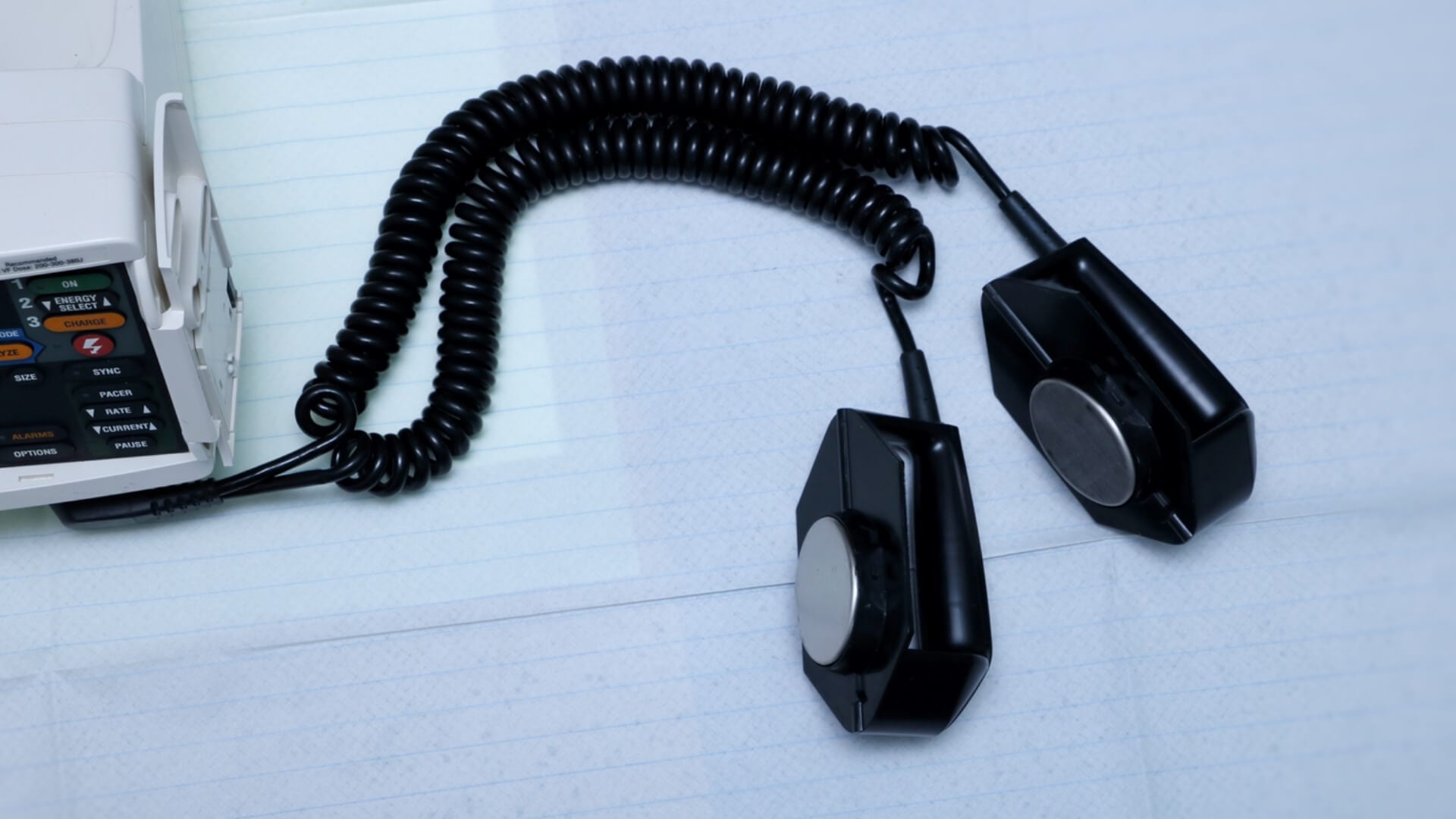
Monophasic defibrillation sends an electric current in one direction. The charge moves straight toward the heart.
What is biphasic defibrillation?
Unlike monophasic shocks, biphasic defibrillation delivers current in two phases. The charge moves from one electrode to the other. Then, it reverses direction and travels back. This allows the current to flow through the heart twice before returning to the AED pads.
Modern AEDs, like the MDSI Connect AED™, use biphasic defibrillation. This method is effective and efficient.
Both waveforms help restore spontaneous circulation after SCA. Yet, biphasic defibrillators use lower peak currents. They deliver the same or better results, making them safer and more popular.
Biphasic defibrillation is now the standard. It has completely replaced monophasic devices, and those are no longer made. Newer models like the MDSI Connect AED™ rely on biphasic technology. Both methods can restore a normal heart rhythm. Yet, they differ in how they deliver and manage the current.
RECOMMENDED
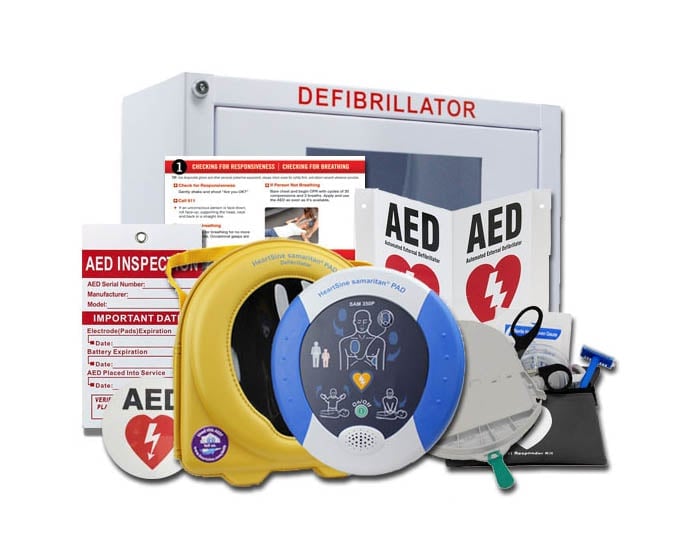
HeartSine Samaritan 350P AED Package
Compact, fully-automatic AED designed for first-time responders. Pads, battery, carry case and wall sign included.
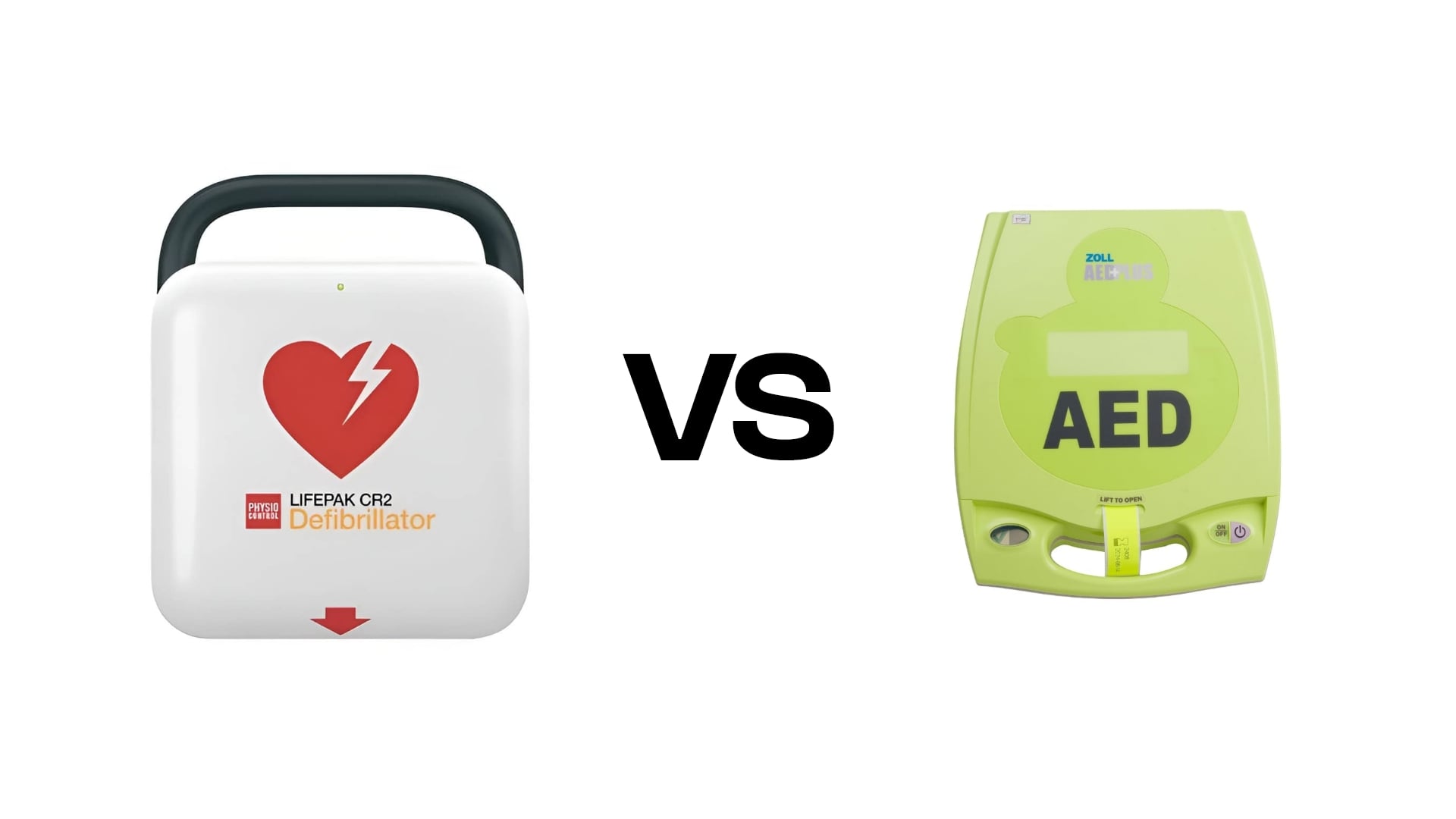
Monophasic vs. Biphasic: Read the Differences
Popularity, Effectiveness, and Safety
Research shows that monophasic and biphasic AED shocks have similar survival rates. Biphasic defibrillators use less energy for effective treatment. This reduces the risk of damage to nearby tissue. As a result, they are safer and have become a common choice.
Lower energy levels make biphasic defibrillators smaller and lighter than monophasic ones. This increased portability makes them a popular choice for use in public settings.
Andrea Martin, an electrical engineer at MDSI, points out that the biphasic shock in the MDSI Connect AED cuts down its size and energy use. This design doesn’t compromise effectiveness. She says this waveform gives equal or better results. It also cuts energy use and lowers risk.
Strength of the Current
Another key difference between the two types lies in the strength of the current. Biphasic defibrillators use less energy, usually 120 to 200 joules. They are as effective as monophasic devices, which deliver higher shocks of 200 to 360 joules.
Battery Life
Biphasic defibrillators usually have a longer battery life. This is because they need less energy to deliver a shock. Monophasic models use higher-energy pulses. This means they consume more power and shorten battery life.
If you want a long-lasting battery, the MDSI Connect AED is your best choice. It’s the only FDA-approved device with a rechargeable battery. The battery lasts for the unit’s entire life.
The Preferred Method?
Biphasic AEDs are often the best choice for public use. They are compact, lightweight, and have a long battery life. Their availability and easy design make them friendlier than older monophasic models.
In a cardiac emergency, the best AED is the one you can reach right away. Even a monophasic device is much better than having no AED at all. First-time buyers should usually choose a biphasic defibrillator. It offers better safety and efficiency.
FAQ
What does biphasic mean in defibrillation?
Biphasic means a type of electrical shock used in defibrillation. Here, the current flows in two directions. A biphasic AED defibrillator works differently from a monophasic one. It sends a shock forward and then reverses it. This method improves both efficiency and safety.
What is the difference between a biphasic vs monophasic defibrillator?
The main difference comes from how the method delivers the shock. A monophasic defibrillator sends one strong current in one direction. In contrast, a biphasic defibrillator delivers a two-phase shock with lower energy. Biphasic defibrillation technology is more effective. It also lowers the risk of harm to the heart and nearby tissues.
Are biphasic AEDs more effective than monophasic ones?
Both types can treat sudden cardiac arrest. Biphasic AED defibrillators often achieve the same or better results using less energy. This makes them safer. They are also recommended for public access and first-time buyers.
Why are biphasic defibrillators preferred over monophasic models?
Biphasic defibrillators are smaller, lighter, and more energy-efficient than monophasic ones. They use lower-energy shocks. This helps save battery life and reduces tissue damage. So, they are the preferred choice in most settings.
If a monophasic defibrillator is available during an emergency, should I still use it?
Absolutely. In a cardiac arrest situation, the best defibrillator is the one closest at hand. Whether it’s a monophasic or biphasic AED, using it promptly can save a life. Yet, for new purchases, a biphasic AED defibrillator is typically the better option.

Not sure which AED or training fits your needs?
An MDSI medical-oversight expert walks you through it — no obligation.
Talk to an expert →Conclusion
Monophasic and biphasic defibrillators both deliver life-saving shocks during cardiac arrest. Yet, biphasic AEDs are now the standard. They use less energy, are safer, and are easier to carry. Learning about biphasic and monophasic defibrillator technology can guide your AED selection. In an emergency, quick access to a reliable defibrillator is key. This is especially true when choosing a preparedness device. Every second matters.