
Shockable rhythms are dangerous heart problems. They need quick action with defibrillation to get the heartbeat back to normal. Shockable rhythms typically include ventricular tachycardia (VT), ventricular fibrillation (VF), and sometimes supraventricular tachycardia (SVT). Identifying shockable rhythms is crucial in emergencies. Fast defibrillation can greatly boost survival rates. In this guide, we will look at the causes, symptoms, and treatments for ventricular tachycardia, ventricular fibrillation, and supraventricular tachycardia. This will help you act fast and effectively when time is critical.
What are shockable rhythms?
Shockable rhythms happen when the heart’s electrical system is disrupted. This causes abnormal heartbeats. Defibrillation can treat these rhythms. These dangerous rhythms disrupt the heart’s ability to pump blood effectively. They need immediate medical help to restore normal function.
In ACLS, it’s crucial to know when to give medicine or use defibrillation. High-quality CPR is crucial. Using ACLS drugs and defibrillation quickly can restart a heart during cardiac arrest.
Defibrillation is key in ACLS. Its success hinges on timing. Knowing when to shock an abnormal rhythm is key for effective intervention. It is also important to recognize when a shock may not be suitable.
Finding the root causes of cardiac arrest is a key focus for ACLS providers. Defibrillation can briefly restore heart function. It mainly gives medical teams time to look into and fix the underlying Hs and Ts.
Get certified in CPR
CPR & AED Training
3-hour in-person training with a 2-year nationally recognized certification.
CPR, AED & First Aid Certification
Instructor-led on-site. Practice on real manikins and AED trainers.
What are the shockable rhythms?
Cardiac rhythms are divided into two categories: shockable and non-shockable. Only two rhythms can be shocked back to normal. They need defibrillation to restore heart activity.
The two non-shockable rhythms are:
- Asystole, seen as a flat line on an ECG monitor
- Pulseless electrical activity, or PEA
Shockable Rhythms and the Adult Cardiac Arrest Algorithm
The adult cardiac arrest algorithm is key for adult resuscitation. It helps ACLS providers know what to do if a pulseless patient doesn’t respond to basic life support or the first AED shock.
The cardiac arrest algorithm has two pathways. Each one guides the correct response during resuscitation efforts.
- A shockable rhythm – displayed on the left side of the algorithm.
- A non-shockable rhythm – displayed on the right side of the algorithm.
During a rhythm check, ACLS providers look for shockable rhythms. When they spot ventricular fibrillation or pulseless ventricular tachycardia, they get ready to deliver a shock. They also keep doing high-quality CPR while the defibrillator charges and between shocks.
If the rhythm check shows a non-shockable rhythm, such as asystole or pulseless electrical activity, continue CPR. Also, provide medications if necessary. Consider advanced airway management with capnography as well. If later checks show a shockable rhythm, then we perform defibrillation.
Shockable Rhythm: VFib
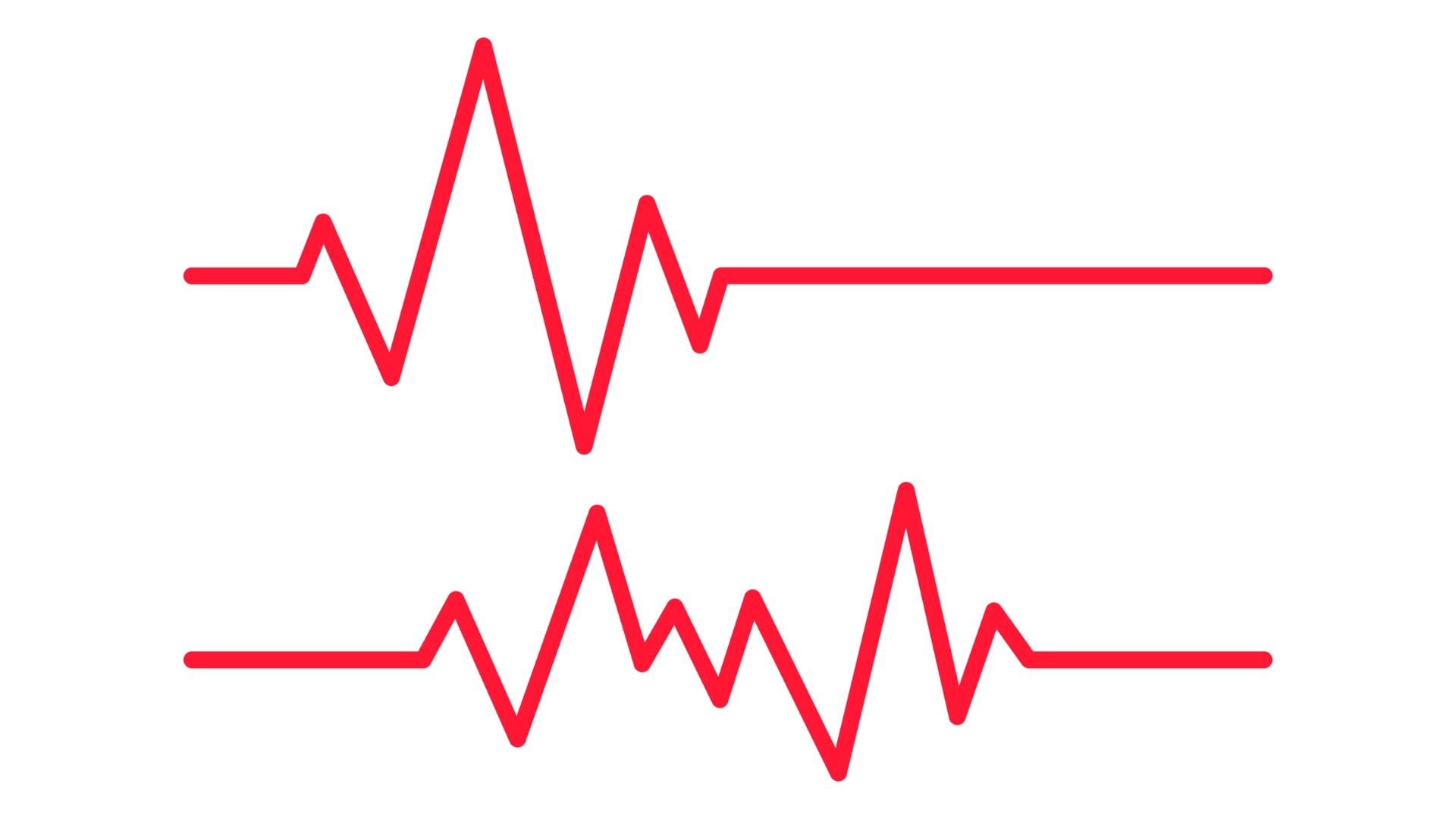
Ventricular fibrillation, or VFib, is a major cause of cardiac arrest outside hospitals. In VFib, the heart shakes instead of pumping blood. This looks like a chaotic, wavy line on an ECG. Coarse VFib typically has a better response to defibrillation compared to fine VFib.
Fine ventricular fibrillation can seem like asystole. But since the treatments differ, ACLS providers need to identify them accurately. If there’s uncertainty, giving a shock is okay. It might effectively stop fine VFib. Yet, if the rhythm is true asystole, defibrillation will not be effective.
RECOMMENDED
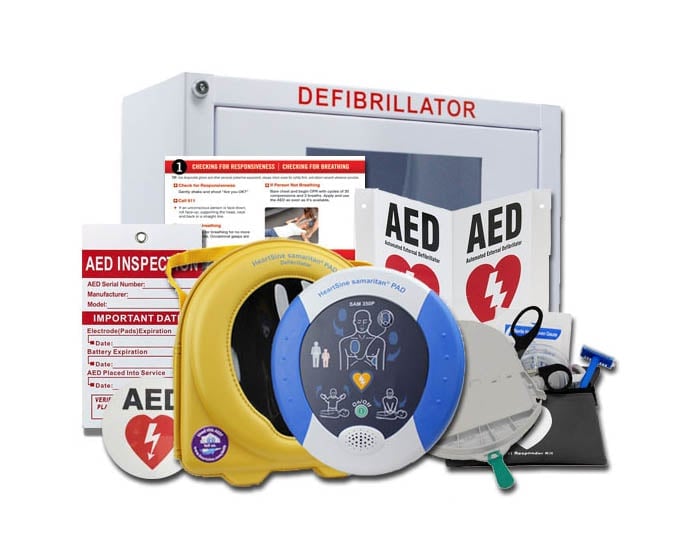
HeartSine Samaritan 350P AED Package
Compact, fully-automatic AED designed for first-time responders. Pads, battery, carry case and wall sign included.
Shockable Rhythm: Pulseless VTach
Ventricular tachycardia, or V-tach, often responds effectively to defibrillation. On an ECG, it appears as a wide, rapid, and regular rhythm. Patients with V-tach may have a pulse or not. This occurs because it affects blood flow.
Patients with this rhythm are often pulseless and unconscious. They need defibrillation to restore normal heart function. This helps the SA node regain control. Chest compressions and proper ventilation are key for resuscitation, even with many shocks.
If defibrillation fails to correct ventricular tachycardia, healthcare providers must find the causes. Successful treatment relies on identifying and fixing the main problem.
Shockable vs. Non-Shockable Heart Rhythms
An AED’s main job after you place the pads is to check if it can treat the heart rhythm with defibrillation. Usually, electrical signals control each heartbeat. But structural problems or disease can interrupt this, causing irregular rhythms. In some cases, it can even lead to sudden cardiac arrest (SCA). When SCA occurs, rescuers provide high-quality CPR and attach an AED to the patient. If the device finds ventricular tachycardia (VT) or ventricular fibrillation (VF), it will give a shock. If the AED detects asystole or pulseless electrical activity (PEA), it will say no shock is advised. Although only VT and VF are shockable, all four arrhythmias can cause SCA. An AED only delivers a shock after it checks the heart’s rhythm. This ensures shocks happen only when they’re truly needed to save a life.
Shockable Rhythms
- Ventricular tachycardia, or V-Tach, is when the heart beats too fast. It usually goes over 100 beats per minute. It happens when electrical signals in the heart’s lower chambers are disrupted. This can stop blood from circulating properly in the body.
- Ventricular fibrillation, or V-Fib, is a life-threatening condition. In V-Fib, the heart’s ventricles shake instead of beating normally. V-Fib often happens during or after a heart attack. It is the main cause of sudden cardiac death.
Therapy
V-Tach and V-Fib stop the heart from pumping blood to vital organs. So, immediate CPR is crucial. Without a heartbeat, CPR keeps blood flowing until the heart can be fixed.
Dr. Allison Dupont, a cardiologist at Northside Hospital, discusses shockable heart rhythms. These include V-Tach and V-Fib. She emphasizes that early defibrillation is the key to boosting survival rates.
Non-Shockable Rhythms
- Asystole happens when the heart’s electrical activity stops. This means there is no heartbeat. It can develop from untreated ventricular tachycardia or ventricular fibrillation. Immediate CPR is vital for survival. An AED won’t shock for asystole. That’s because defibrillation doesn’t work for this rhythm.
- Pulseless electrical activity, or PEA, is a serious condition. In PEA, the heart’s electrical signals are weak. This weakness prevents proper blood circulation. An AED can’t fix PEA, like it can’t help with asystole. So, immediate CPR is crucial to boost survival chances.
AEDs are crucial in heart emergencies. They effectively handle ventricular tachycardia and ventricular fibrillation.
FAQs
What are shockable rhythms?
Shockable rhythms are abnormal heart rhythms that can be treated with defibrillation. The two main shockable rhythms are ventricular tachycardia (V-Tach) and ventricular fibrillation (V-Fib). Both stop the heart from pumping blood effectively. Early defibrillation and good CPR offer the best chance to get a normal heartbeat back.
What rhythms are shockable?
The main shockable rhythms in cardiac emergencies are ventricular tachycardia and ventricular fibrillation. An AED detects certain heart rhythms. It then suggests and delivers a shock. This helps reset the heart’s electrical activity and restore good circulation.
What are non-shockable rhythms?
Non-shockable rhythms include asystole and pulseless electrical activity (PEA). In these cases, an AED will not deliver a shock because defibrillation is ineffective. Immediate CPR and advanced medical care are key to boosting survival chances.
Can you shock asystole?
No, you cannot shock asystole. Asystole means no electrical activity in the heart. It does not respond to defibrillation. When asystole is detected, focus on continuous, high-quality CPR. Also, identify any reversible causes.
What does asystole mean in cardiac emergencies?
In cardiac emergencies, asystole means the heart’s electrical system has stopped. This leads to no heartbeat. It often starts from untreated V-Tach or V-Fib. This type of cardiac arrest is very serious. It needs immediate CPR but does not need defibrillation.

Not sure which AED or training fits your needs?
An MDSI medical-oversight expert walks you through it — no obligation.
Talk to an expert →Conclusion
Knowing the difference between shockable and non-shockable rhythms is key in heart emergencies. Recognizing rhythms like ventricular tachycardia and ventricular fibrillation is crucial. These rhythms need immediate defibrillation. Doing this can greatly boost a patient’s chance of survival. Remember, asystole and pulseless electrical activity need urgent CPR, not shocks. Healthcare providers and first responders can provide better care in emergencies. By knowing which rhythms are shockable and what asystole means, they can act quickly. Every second matters in these situations. Early action saves lives—and knowing when and how to act makes all the difference.