
In emergencies, like floods, storms, or mid-air incidents, every second matters. In high-stress situations, knowing CPR can be the key to saving a life. CPR in tough situations needs technical skills and quick thinking under pressure.
Your response matters in a flood, a disaster, or a medical emergency at 30,000 feet. This guide shows you how to adjust CPR techniques in tough situations. You’ll learn to act confidently and effectively, even when things are difficult.
Drowning incidents in the United States happen much more often than fire-related deaths. Water rescues are now a bigger and more urgent challenge for many firefighting teams. In some areas, firefighters save more people from water emergencies than from fires. Over the last fifty years, firefighters have experienced many injuries and fatalities during water rescues. This has changed priorities. Now, firefighter safety comes first, even before saving civilians. The National Fire Protection Association (NFPA) set guidelines for water rescue operations. These help manage risks. The days of sending untrained fire crews into risky water rescues are over. They now have the right gear and training for safety.
Top 10 Rules of Open Water Rescue and Resuscitation
Agencies may follow different procedures. Water rescue teams and trained swimmers must use best practices to aid unconscious victims. Every organization must follow key principles for safe and effective water rescues.
- Only trained individuals should enter the water for a rescue. Untrained attempts can become dangerous fast. Getting an unconscious victim to safety is tough. It often needs more than one rescuer. This is especially true in strong currents or heavy surf, where the risks increase.
- Train as if your life is at stake—because someone else’s likely is too. Regular exercise and practice are key to being ready when every second counts.
- Every water rescue should focus on getting the victim out quickly. Fast removal is key to boosting their chances of survival.
- Rescuers need to know how to use standard arm signals. This helps them talk over long distances in water, where speaking is often difficult.
- Fins are vital for rescue swimmers and watercraft operators in open water. They help with safety and control, especially in rough surf conditions.
- Open water rescues work best when a technician-level rescuer leads. This rescuer should be skilled in using rescue fins and a flotation device. These tools can often lead to a successful rescue. This happens when trained personnel use them correctly.
- Cervical spine motion restriction is now rarely used for unresponsive drowning victims. This happens only when there are clear signs of head trauma or injuries from impacts, like diving into shallow water. In those cases, spinal damage is more likely.
- Drowning causes low oxygen levels. It’s crucial to address this quickly to prevent further oxygen deprivation.
- Resuscitation should happen on dry sand when possible. Moving just a few steps can boost equipment performance. It also makes conditions safer and easier for responders.
- A conscious drowning victim should be treated while sitting up. This position helps support their breathing. In drowning cases with cardiac arrest, lay the victim flat. Make sure there is enough space for rescuers to work safely and move freely.
Drowning Definition
Drowning happens when water fills the lungs. This blocks normal breathing and gas exchange, causing respiratory failure. Outcomes are either fatal or non-fatal with injury. Also, terms like “near drowning” and “dry drowning” are outdated and not used anymore.
Drowning: Case Review
This account is based on an actual event involving a major municipal department. To honor everyone’s privacy, we use abbreviations for names, including those of the fallen.
That afternoon, the engine crew arrived at the flooded intersection. They found several vehicles trapped in the rising water. In the chaos, Firefighter RC and his partner BR saw a woman holding onto a metal pole. She appeared to be in waist-deep water. Unbeknownst to them, she was actually on the edge of a ten-foot-deep culvert. Neither firefighter had formal water rescue training. They also lacked flotation devices and proper gear. They approached the woman confidently, not realizing the dangers hiding beneath. They wore standard fire gear: rubber boots, bunker pants, and suspenders. Then, they entered the water. As they approached, BR suddenly slipped into the culvert, but RC managed to pull him to safety.
RC was determined to reach the stranded woman. He pressed forward but soon lost his footing. His gear, soaked with water, pulled him into a strong rush of storm runoff. It swept through a huge drainage pipe filled with debris. Within seconds, RC vanished beneath the churning black water. His fellow firefighters and partner tried hard to find him. Sadly, they found his body five hours later in a small drainage ditch, more than two blocks away. The original victim survived. Yet, the loss of Firefighter RC had a profound impact on everyone involved.
Pathophysiology of the Drowning Event
What occurred after the firefighter vanished beneath the surface remains uncertain. This explanation doesn’t focus on one incident. It shows how drowning usually happens. It starts with a victim in trouble, calling for help.
At first, drowning brings panic. The body fights hard to stay afloat. This struggle pushes it into overdrive. Breathing speeds up to take in more oxygen and release carbon dioxide. Yet, this urgency can cause people to inhale water instead of air. Water entering the oropharynx can trigger laryngospasm or bronchoconstriction, making breathing even harder. When the struggle becomes harder, skeletal and heart muscles quickly use more oxygen. This speeds up fatigue. Survival-driven effort raises carbonic and lactic acid levels in the blood. This can lead to a quick physiological collapse.
When more water fills the lungs, it blocks tiny airways. This disrupts oxygen exchange and leads to hypoxemia. The victim quickly feels respiratory distress. This happens because of exhaustion and muscle fatigue. Oxygen in the blood drops sharply. This starves vital organs and causes alveolar hypoventilation. When gas exchange is poor, a person can lose consciousness. This leads to a harmful buildup of carbon dioxide. If the airway can’t be protected, more water enters the lungs. This leads to tissue swelling and alveolar collapse. A lack of oxygen can cause cardiac arrest. If not treated right away, it can lead to death.
As drowning progresses, the body ultimately shuts down. After about 10 minutes underwater, the lack of oxygen harms vital organs. The brain, heart, lungs, and kidneys suffer severe damage. Tissue death starts to occur. If a person is submerged for more than 20 minutes, their organs can fail completely. This leads to irreversible biological death.
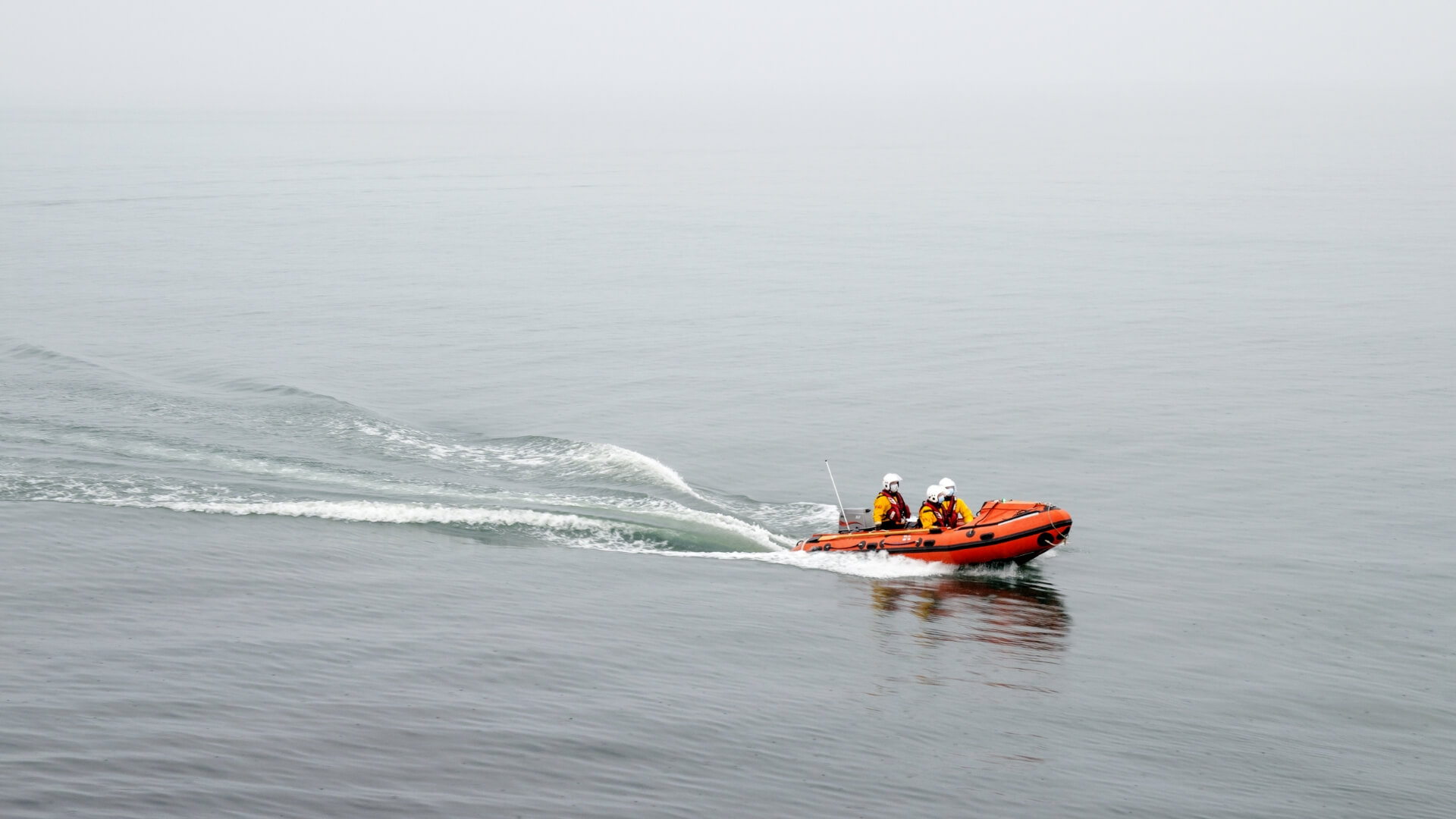
A San Diego lifeguard rescued two people. First, they used a Burnside flotation device and fins to secure one victim. The victim was safely moved to a personal watercraft. Then, they were taken back to shore. This operation was conducted with support from the City of San Diego.
Assessment of a Drowning
To handle oxygen deprivation during drowning, the American Heart Association recommends an ABC assessment. This is better than the usual CAB sequence. This order focuses on airway and breathing first, then circulation. It aims to address the main issue—hypoxia.
- Responsiveness: Check the victim’s consciousness with the AVPU scale: alert, verbal, pain, or unresponsive. This shows if they can keep their airway open, handle secretions, and prevent fluid aspiration.
- Airway: Open the airway with the head-tilt-chin-lift or jaw thrust method. Then, check for blockages. If needed, clear it with suction. After that, continue with the right airway management.
- Breathing: Once the airway is secure, quickly check the breathing rate, depth, and quality. Check for unusual lung sounds, such as crackles or rales, on the sides and back. These may indicate fluid in the lungs. If breathing is absent, start ventilations with a bag-valve mask and PEEP. If the patient is not breathing well, give them oxygen. Use assisted ventilation at the right rate for their age.
- Circulation: Check for a pulse. If there’s no pulse and the victim isn’t breathing, begin chest compressions right away. If the situation suggests possible trauma, also assess for severe bleeding.
Lung Sounds: Check lung sounds early and often, as changes can reveal serious complications. Crackles at the bases may mean fluid has entered the lower airways. Faint or missing breath sounds can point to serious problems. These include aspiration, airway narrowing, fluid in the lungs, or lung collapse. Inhaling saltwater can lead to pulmonary edema and acute respiratory distress. In contrast, freshwater is less likely to cause swelling. Rapidly drinking water can lead to airway tightening. This may show up as stridor, wheezing, or muffled sounds when breathing.
Assess for Hypoxia: After a submersion incident, the rescue swimmer should consider that the patient may be hypoxic. Yet, giving oxygen without a clear need is no longer considered best practice. Provide oxygen based on a constant check of the patient’s condition during care.
In drowning cases, we give oxygen when there’s a clear need. Look for signs like trouble breathing, low oxygen levels, or respiratory distress.
- Rapid or very slow respirations, a.k.a. tachypnea and bradypnea.
- Dyspnea with the inability to maintain a SpO2 > 94% per AHA Guidelines 2, 3
- Altered mental status, including victims presenting as obtunded, confused, lethargic, or unresponsive.
- Agonal breathing is a late sign. Most see it as a warning of a hypoxic brain and peri-arrest.
- Signs of cyanosis
- Cardiac or respiratory arrest
Can CPR be performed in the water?
Drowning is a leading cause of accidental death worldwide. Quick first aid is vital for survival. If the victim isn’t breathing properly, CPR must begin without delay to improve their chances. This raises the question—can CPR be effectively started while the victim is still in the water?
Short answer: CPR cannot be effectively performed while the victim remains in the water. The rescuer should first move the person to a stable surface. Then, they can begin resuscitation efforts.
You can give some rescue breaths while the victim is still in the water. Yet, you can’t do effective chest compressions until the person is on a firm surface. Proper compressions need enough resistance to reach about 5 centimeters deep. This depth is hard to achieve if the body is floating.
Quickly pull the drowning victim from the water to start resuscitation and clear the airway. Yet, rescuers should never risk their own safety in the process. Going into the water without training or understanding the conditions can endanger lives.
BLS Emergency Care
The 2020 AHA ECC Guidelines say to treat drowning victims with the ABC approach. Start chest compressions right away if the victim is unresponsive and has no signs of life. One study shows in-water ventilations might help, but rescuers should avoid mouth-to-mouth methods. This is because of the risk of infection. Once the victim reaches dry land, start high-quality, continuous compression-only CPR right away. Then, check the airway and breathing when you have the right equipment.
- Position the conscious drowning victim sitting up in a high Fowler’s position.
- Give supplemental oxygen right away to treat hypoxia. Use a high-flow device that can deliver over 90% FiO2.
- Use CPAP with PEEP if it’s needed and fits your practice guidelines.
- Maintain patient warmth and prevent heat loss.
- Track SpO2 and maintain it at or above 94%.
- If you can’t secure the airway or oxygen levels stay low after a few minutes of supplemental oxygen, then get advanced life support. Then, transport the patient without delay.
Key Learning Point: CPAP is a high-flow oxygen system. It provides continuous positive airway pressure. This system is often used to treat pulmonary edema. More EMTs are using it in prehospital care, but its use varies by local EMS guidelines. This noninvasive method uses a sealed face mask and special tubing. It delivers pressurized oxygen, which helps keep airways open. This also pushes fluid away from the alveoli to aid gas exchange. Patients often say it feels like facing strong wind. The device works only for those who are awake, cooperative, and can breathe on their own.
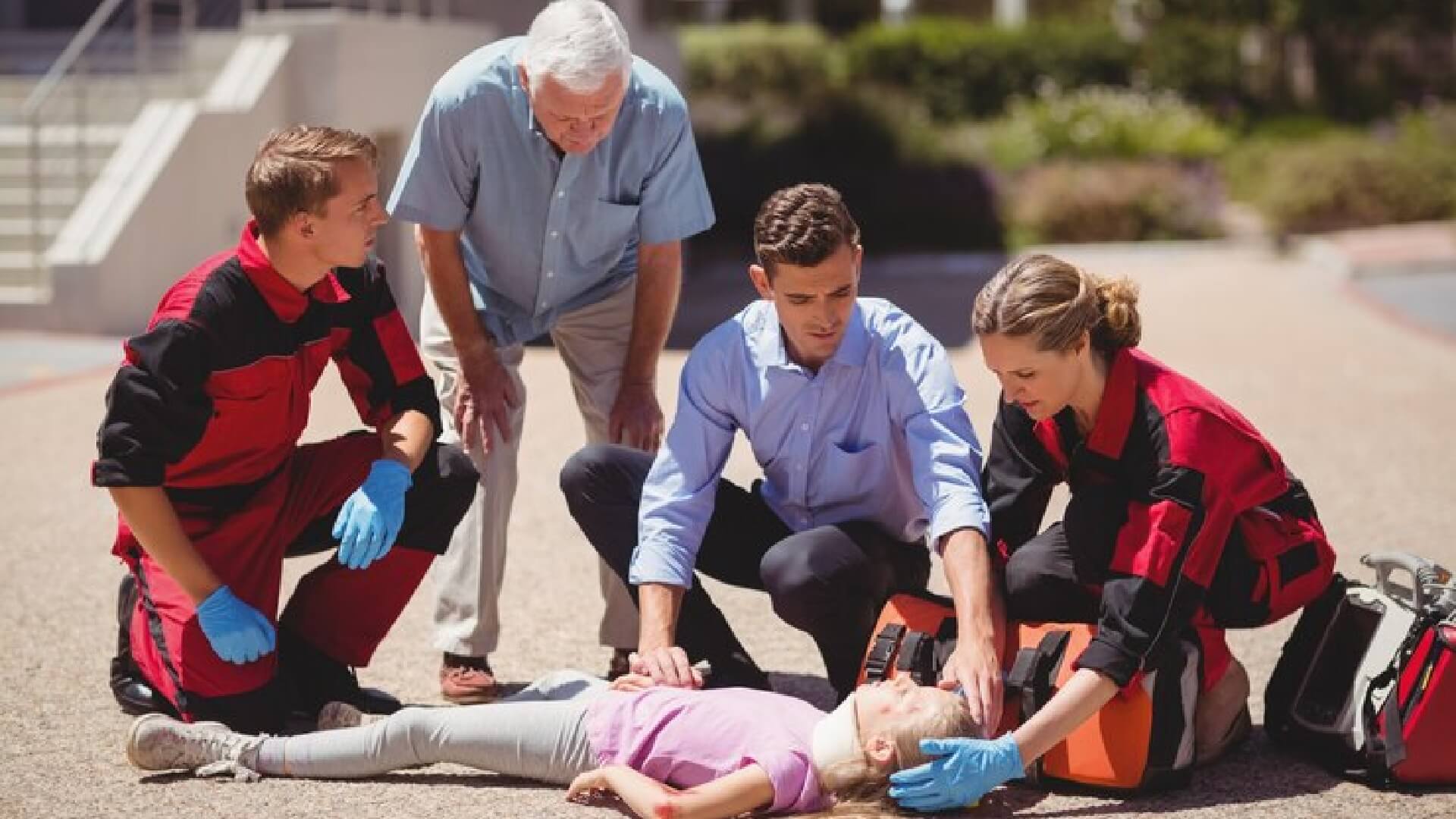
Always wear personal protective equipment like gloves and eye protection during resuscitation tasks. This covers chest compressions and airway management. The image shows ocean lifeguard trainees in Sea Bright, New Jersey. Captured by Susie Markson, they stand with their captain. They are ready for a necessary correction out of sight.
Safety Second Resuscitation Practices?
The American Heart Association (AHA) says a 1993 study found that mouth-to-mouth breaths can help drowning children. This is true if the scene is safe and the rescuer is trained. This guidance is for all age groups. It is meant for professional lifeguards and rescue workers. Starting ventilations in the water or in shallow areas might improve survival chances. This recommendation doesn’t fully recognize the health risks rescuers face. They may be exposed to infectious diseases during close contact resuscitation.
Lately, many first responders have gotten sick or even died from contagious diseases. Despite the intentions behind the mouth-based ventilation recommendation, these procedures carry serious risks. The 2020 AHA guidelines say that compression-only CPR (CO-CPR) with passive oxygen can boost survival rates for cardiac arrests outside hospitals. In some cases, it may even be better than traditional methods. More evidence is needed to decide if CO-CPR should be the standard for drowning. But this method offers a safer choice for rescuers.
Given these factors, high-quality and continuous CO-CPR is key. A non-rebreather mask or high-flow nasal cannula is usually the safest way to give oxygen. Medical professionals and first responders must always follow body substance isolation (BSI) standards. A treatment plan must never endanger the rescuer or break basic infection control rules. This is especially true for plans based on old or limited research.
BLS Resuscitation Considerations: Spinal Injury
The AHA guidelines say cervical spine injuries in drowning victims are very rare. They occur in only 0.009% of cases. Spinal immobilization should only be used if there are clear signs of trauma. Unneeded stabilization can disrupt airway management. It might delay rescue breathing. This can lower the chances of successful resuscitation.
Gastric Distension
Aspiration of stomach contents is a serious risk in drowning resuscitation. That’s why airway protection is a top priority. Over 80% of drowning deaths are caused by swallowing stomach fluid and bloating. During the first assessment, you might need to suction the airway. This helps keep it clear and supports breathing. Keep suction equipment close to the airway manager. An oropharyngeal airway helps clear the throat. The Heimlich maneuver is not appropriate for addressing gastric distension. In serious cases, paramedics might need to put in a nasogastric tube. This helps relieve pressure. They might do this even before intubation.
Drowning BLS Resuscitation
- Start resuscitation without delay or interruption.
- Manage the airway with an adjunct and the appropriate airway maneuver.
- Consider supraglottic rescue airway placement if it is within the local scope.
- Treat hypoxia aggressively with high-flow oxygen to the BVM device.
- Ensure that the PEEP valve is utilized with the BVM device.
- Use AED right away, ideally within the first three minutes of an arrest.
- For resuscitation to work, return of spontaneous circulation (ROSC) must occur within 20 minutes of starting CPR.
- A patient submerged for more than 30 minutes will likely experience systemic biological death.
- No resuscitation is indicated for those victims who have been submerged for > 60 minutes (2, 3, 4). In reality, that time is roughly 40 minutes shorter for a positive neurologic outcome after ROSC.
Key Learning Point: A PEEP valve keeps airway pressure steady at the end of exhalation. This helps keep the lower airways open a bit longer, which supports gas exchange. It is often used alongside CPAP or bag-valve-mask devices to improve breathing efficiency.
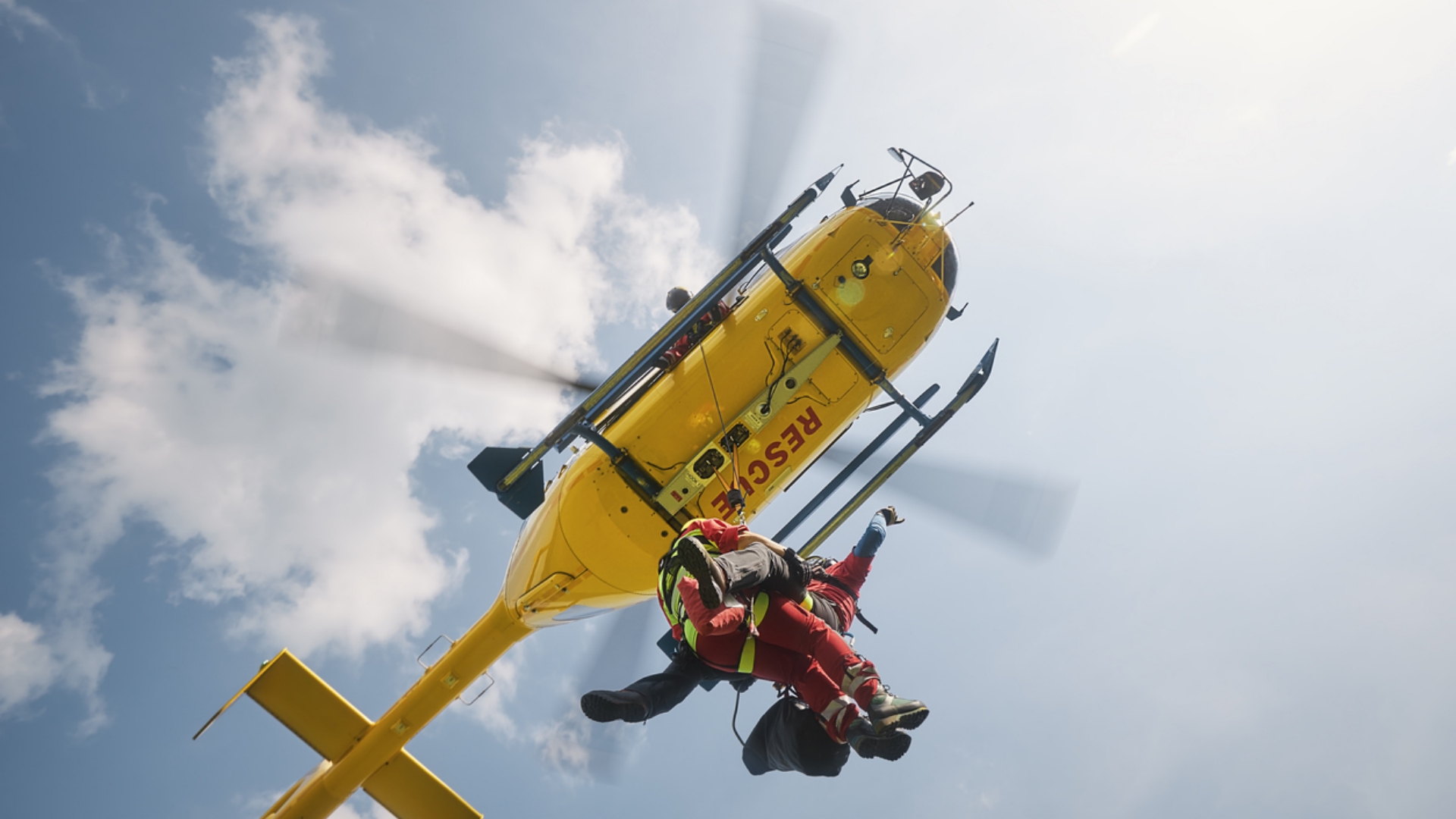
Cardiopulmonary Resuscitation Quality by Helicopter Rescue Swimmers While Flying
Goal
This study looked at how well helicopter rescue swimmers perform CPR in flight.
Methods
Twenty rescue swimmers from the Spanish Maritime Safety Agency joined this study. It had two parts: a five-minute CPR session on land and another five minutes in a Sikorsky S-61N helicopter. We used a Laerdal Resusci Anne mannequin and PC Skill Reporting software to gather CPR data.
Results
CPR performance showed no significant difference between land and in-flight settings. Chest compression depth stayed within the recommended range in both cases. It averaged 52.6 mm on land and 51.9 mm in the air. The compression rate, tidal volume, and hands-off time exceeded the 2015 guidelines in both settings. Incomplete chest recoil occurred in 19% of compressions on land and 26% during flight. The team sustained CPR quality throughout the five-minute sessions.
Helicopter rescue swimmers can provide CPR in the air. Their quality is as good as CPR done on land. More training is needed. This will help lower high compression rates, large tidal volumes, and hands-off time. It will also ensure full chest recoil.
In-Water Resuscitation with Chest Compressions During Helicopter Operations: A Pilot Study
Drowning is a leading cause of injury and death worldwide. Delays in starting ventilation and chest compressions often make the situation worse. To tackle this issue, we tested a new helicopter-based life support method. It aimed to provide in-water ventilation and compressions during rescues.
Methods
CPR and vascular access took place on a self-inflating Heliboat in an indoor wave pool. The team used the Fastrach intubating laryngeal mask, the Oxylator resuscitator, the LUCAS chest compression device, and the EZ-IO intraosseous power drill. We looked at the time and effort needed for a procedure. We used a Visual Analogue Scale (VAS) to compare the one without waves and the one with moderate swell.
Results
Timing differences between calm water and moderate swell during the procedure were minimal. Ventilation started at 2:48 minutes in calm conditions and at 3:02 in swell. Chest compressions began at 4:20 and 4:18 minutes, respectively. Intraosseous access occurred at 5:59. It took 6:30 minutes after the simulated helicopter jump. In tough conditions, participants struggled more to attach the LUCAS device. They also found intraosseous cannulation harder to perform.
CPR can be effectively carried out on a rescue platform using specialized equipment. This new helicopter method helps rescuers start resuscitation quickly and easily. Quick arrival at the scene is vital to lower the risk of brain damage in drowning victims.
FAQs
Can CPR be performed while still in the water?
No, CPR cannot be effectively performed in the water. The victim needs to be on a firm, stable surface for chest compressions. This surface provides enough resistance for the compressions to work effectively.
Is it possible to give rescue breaths while still in the water?
Yes, trained rescuers can give some breaths in the water if it’s safe. Full resuscitation should start once the victim is out of the water.
Why is early removal from the water critical in drowning cases?
Getting the victim out of the water fast helps rescuers clear the airway and begin CPR right away. This is vital for survival and lowers the chance of lasting damage.
What is the ABC approach in drowning CPR, and why is it recommended?
The AHA recommends the ABC (Airway, Breathing, Circulation) sequence for drowning victims. This is because drowning causes low oxygen levels. It is different from the CAB order used in other cardiac arrests.
Are helicopter rescue swimmers able to perform CPR effectively in flight?
Yes, studies show that helicopter rescue swimmers can do CPR in flight. The quality is like CPR on land. They need more training. This helps them manage compression rate and ventilation volume. It also reduces hands-off time.
Can CPR be performed on water-based platforms?
Yes, you can do CPR on special floating rescue platforms. Use tools like BVMs, airway devices, and mechanical compression systems. The process is more challenging in rough water, but it remains workable.
Conclusion
Drowning emergencies need swift, expert help. This boosts the chances of survival for victims. Advancements in rescue techniques are changing what we can do in extreme environments. This includes in-water ventilations, helicopter-based CPR, and floating platform procedures. New specialized equipment is also making a big difference. The key to good care is simple: recognize early, rescue safely, and resuscitate well. Rescuers need to put their safety first. They should follow the latest guidelines and be ready to act quickly. With the right training and tools, lives can be saved even in the most challenging conditions.
References