
- Published
Why Is an AED Needed? Learn When to Use or Not Use a Defibrillator
Understanding when not to use a defibrillator is as vital as knowing how and where to use one. In some situations, using something incorrectly can cause more harm than good. So, recognizing these moments is important for safety and effectiveness in emergencies.
Automated External Defibrillators (AEDs) save over 1,700 lives each year in the U.S. But, many people don’t know where to find them or how to use them. Better awareness and access could save thousands more lives.
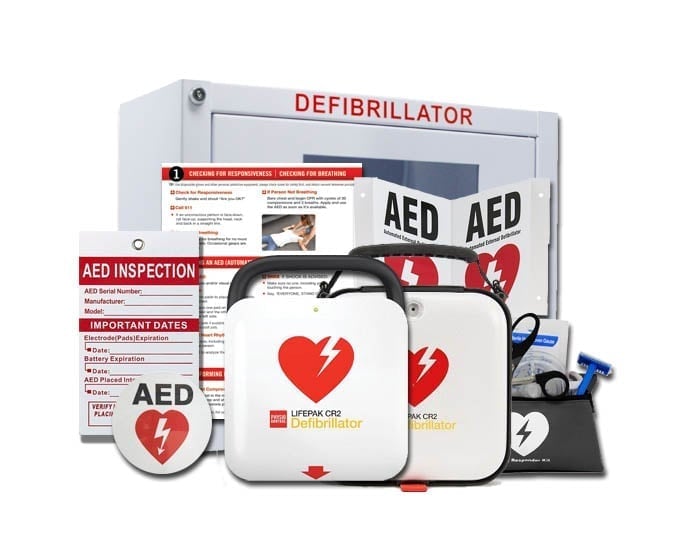
An AED gives an electric shock to the heart. This helps it get back to a normal rhythm during sudden cardiac arrest (SCA). It’s the only effective method to restore the heartbeat in such critical moments.
Recognizing how and where to use an AED is crucial, but it’s as important to understand when not to use it. Some heart problems or situations can make using a defibrillator unsafe. Knowing when it’s safe or not can save lives, like taking action.
When to Use an AED (Defibrillator)
You should only use an AED on a person if:
- Their heart suddenly stops beating
They are experiencing Sudden Cardiac Arrest (SCA). Symptoms are immediate and drastic and include:
- No breathing or gasping noises, paired with abnormal breathing
- Unresponsive
- Unconscious
- No pulse
If someone has cardiac arrest, call 911. Start CPR immediately. Also, ask someone to find a defibrillator. Most sudden cardiac arrests occur at home. Having a clear emergency plan can really help.
When NOT to Use an AED (defibrillator)
Certain situations call for added caution when deciding whether and how to use an AED. Each device has its own usage guidelines. So, owners should check their unit’s instructions closely.
The victim is conscious and breathing normally.
Do not use an AED if the person is awake and breathing normally. A shock is not needed then.
Use an AED when someone is unresponsive and exhibits abnormal breathing. In sudden cardiac arrest, a person may have agonal breathing. This means they make irregular gasps or shallow sounds. It might resemble breathing, but it truly isn’t. These signs, including slight twitching, are not normal breathing. If someone is unconscious and showing these symptoms, it’s a clear sign to use an AED immediately.
The victim has a DNR.
If the person has a visible bracelet or tattoo that says “Do Not Resuscitate” or “DNR,” an AED should not be used. This shows they do not want life-saving measures, so we should respect their choice.
Faulty AED parts
A malfunctioning AED with faulty parts may not work when needed. In an emergency, if the device doesn’t function, quickly look for a working AED nearby.
When special AED use circumstances might apply
The patient has a pacemaker or a medication patch.
Pacemakers can handle AED shocks, but don’t place the device directly over the pacemaker area.
A pacemaker is often noticeable under the skin near the upper chest. Always check your AED manual for guidance. Place the pads as directed when helping someone with a pacemaker.
Don’t put AED pads on medical patches. Remove the patches before you apply the pads.
The person is wet or lying on a wet surface.
Sudden Cardiac Arrest can occur even in wet environments, such as near water, rain, or snow. AEDs can deliver electric shocks. So, you must be extra careful in these situations to protect both the victim and the responder.
An AED should never be used on someone submerged in water. First, move the person to a dry area. Then, take off any wet clothing. Make sure their chest is dry before applying the pads. Once the skin is dry, turn on the AED and follow its prompts as you normally would.
The victim has a hairy chest.
For AED pads to function effectively, they must stick directly to the skin. If the chest is too hairy, some hair may need to be removed to ensure proper contact. Most AED kits include a razor. Press the pads firmly against the chest if you don’t have one. This helps ensure good contact.
The person is suffering from a heart attack.
A heart attack and sudden cardiac arrest differ mainly in their impact on the heart.
- Cardiac arrest happens when the heart’s electrical system is disrupted. This causes the heart to stop beating properly. During sudden cardiac arrest, the heart’s rhythm becomes chaotic. This stops it from pumping oxygen-rich blood to the body.
- A heart attack happens when a blocked artery stops blood flow to a part of the heart. This blockage causes damage as the muscle tissue starts to die.
During a heart attack, the person is usually conscious and breathing, so an AED is not required. In cardiac arrest, a person collapses without warning. They become unresponsive and may stop breathing or breathe in an unusual way. Cardiac arrest can occur without warning. A heart attack may strike without warning or develop gradually over time.
If a person shows signs of a heart attack, call 911 right away.
Safety Considerations for AED Users – Using an AED on Infants and Children
AED pads come in adult and child sizes. It’s crucial to pick the right type for the person’s age or weight. The user manual will guide you on which pads to use and note any special situations to consider.
Key points for safe and effective use of an AED during sudden cardiac arrest:
- Avoid places with flammable vapors. The AED can create sparks that may start a fire.
- Keep yourself and others from making contact with the person while the AED delivers a shock. Make sure the area is clear to ensure safety during the process.
- Do not use an AED in a moving vehicle. Movement can disrupt its function and safety.
Check your AED’s user manual for specific safety, use, and maintenance tips.
FAQs
When should an AED be used—before or after CPR?
An AED should be used as soon as it becomes available, even before starting CPR if possible. Yet, if there is a delay in retrieving the defibrillator, begin CPR immediately. AEDs restore the heart’s rhythm. Early use is crucial during sudden cardiac arrest.
Can an AED be used on an infant?
Yes, AEDs can be used on infants, but it’s important to use pediatric pads designed for their size and weight. Follow your device’s instructions with attention to detail. When using an AED on infants, pay attention to pad placement and adjust the energy levels.
What are the special considerations when using an AED?
Several special conditions need extra care when using an AED. Avoid using it on wet or submerged people. Don’t place pads over medical patches or pacemakers. Also, make sure pads have good contact on hairy or damaged skin. Always check your AED’s manual for specific instructions related to these situations.
How much is a defibrillator?
Defibrillator prices can vary a lot. This depends on the brand, features, and whether it’s for home or professional use. On average, prices range from $1,200 to $3,000. If you’re looking for “defibrillator Tarkov,” remember it’s a medical item in Escape from Tarkov. Its price doesn’t match real-world costs.
What should I do if a defibrillator is needed during a cardiac emergency?
During cardiac arrest, every minute counts. Survival drops by about 10% each minute without action. Check if an AED is close by. Also, see if the person is unresponsive and not breathing normally. If an AED is unavailable, begin CPR until one can be found. Knowing when to use an AED and when not to is as important as knowing how to use it correctly.
Conclusion
In emergencies, like sudden cardiac arrest, using a defibrillator can save lives. When to use it is as important. Every detail matters. This includes knowing when to use an AED with CPR. It also covers special considerations, like wet environments, pacemakers, and pediatric needs. Being prepared, informed, and confident helps improve outcomes and save lives. Stay educated, keep your AED maintained, and act with urgency when seconds count.
Disclaimer for information purposes only:
The information provided on this website is intended for general educational and informational purposes only. It is not medical advice and should not be used as a substitute for professional diagnosis, treatment, or care. Always consult a qualified healthcare or medical professional regarding any health-related questions or concerns.
While we strive to ensure the information shared is accurate and up to date, no guarantees are made regarding completeness, accuracy, or applicability to any individual situation. Use of this content is at the reader’s sole discretion and risk.
This website is part of the Response Ready family of emergency preparedness and training resources, including CPR & first aid training and compliance services, AED sales and program support, AED program management software, and medical oversight solutions provided through our affiliated platforms:
• CPR1.com
• AEDLeader.com
• AEDTotalSolution.com
• ResponseReady.com
By accessing or using this website, you agree to release, indemnify, and hold harmless the website owners, authors, contributors, and affiliated entities from any claims, losses, damages, or liabilities arising from the use or reliance on the information presented.
Dr. Ann Jarris MD, MBA, FACEP
Save Lives with the Right AED Today
Buy Trusted AEDs Today!
Get Certified in CPR and Make a Difference!
Save Lives with the Right AED Today

- Published