
- Published
How to Die in Your Sleep: Causes, Risks, and What Experts Reveal
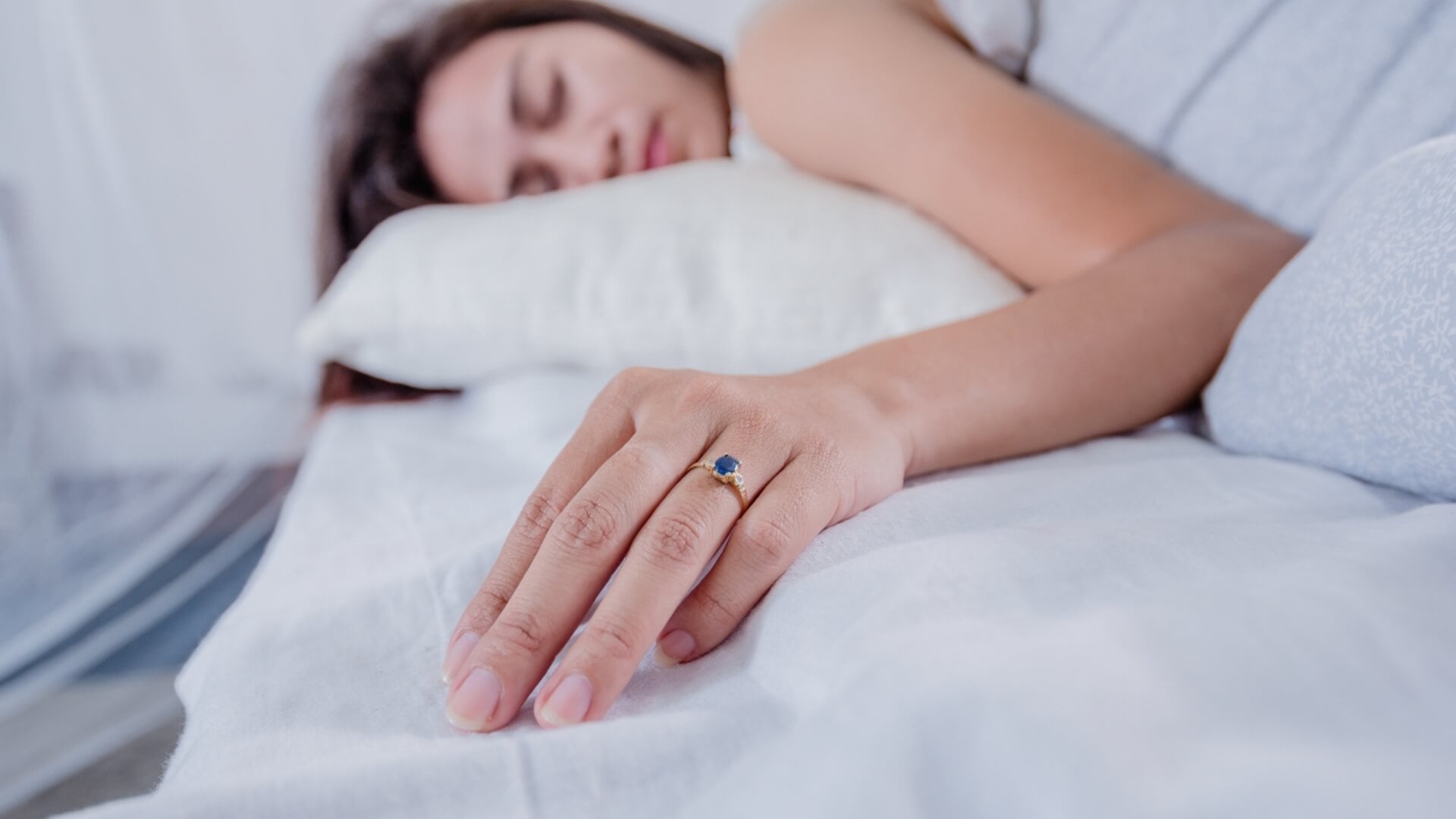
Many people picture dying in sleep as peaceful. Yet, sudden nighttime death can happen unexpectedly, even to those who seem healthy. Understanding the conditions that lead to it isn’t about creating fear. It’s about raising awareness. Learn the hidden risks and see how they affect your long-term health. This way, you can protect yourself and lower the chances of unexpected tragedy.
If you or someone close to you is in crisis, free and confidential help is always available. Call or text 988 to connect with the Suicide & Crisis Lifeline, which operates 24/7. If you’re feeling overwhelmed by emotions or having thoughts of suicide, help is a call away.
If you feel uneasy, keep in mind that the best prevention happens during the day. At night, it’s best to relax. Feel at ease, knowing you’ve handled what matters most.
Sudden cardiac arrest and other heart problems
Sudden deaths during sleep are usually linked to heart issues. The most common cause is sudden cardiac arrest. This condition causes almost one in five deaths worldwide. Many of these tragedies happen during nighttime rest.
Some heart conditions can cause sudden death during sleep. This risk is higher if they go undiagnosed or unnoticed.
- Heart attacks
- Cardiac arrhythmia, including ventricular tachycardia (heart beats too quickly) and ventricular bradycardia (heart beats too slowly)
- Sudden cardiac arrest
People with heart problems face a high risk of sudden death during sleep. This matters for those who’ve had heart attacks, have high blood pressure, heart failure, or coronary artery disease. Bodybuilders might sometimes experience nighttime heart issues. These issues often connect to substance use or dehydration. This puts extra stress on the heart.
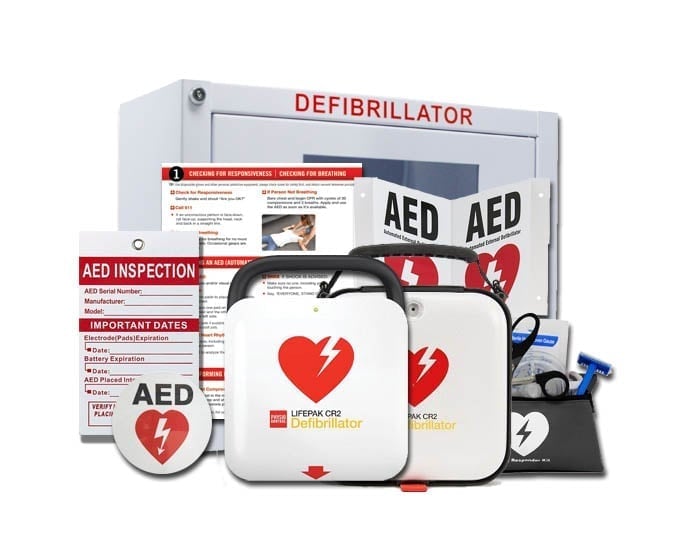
Sudden cardiac arrest can occur without warning, even while you sleep. Keeping an AED within easy reach at home or work greatly improves the chances of survival.
Stroke
Stroke is another major cause of death during sleep. It often happens when a clot blocks blood flow to the brain, causing quick damage. According to the UK Stroke Association, about one in seven strokes occurs at night.
A stroke can affect anyone. However, some health conditions and lifestyle choices raise the risk. This makes certain people more vulnerable.
- Have high blood pressure.
- Have high cholesterol.
- Have diabetes.
- Have untreated sleep apnea.
- Have too little or poor-quality sleep.
- Catch yourself nodding off during the day.
- Sleep for more than one hour during the day (as an adult).
- Are dehydrated.
Obstructive Sleep Apnea
Obstructive sleep apnea disrupts sleep and puts a lot of strain on the heart. People with this condition might stop breathing often while they sleep. Research shows that the risk of sudden cardiac death is more than double in the morning compared to the general population.
When left untreated, sleep apnea can lead to severe health complications. It elevates the risk of heart failure, stroke, coronary artery disease, and arrhythmias. In the U.S., this condition is linked to over 38,000 heart-related deaths each year.
Other causes of dying in your sleep
Heart disease, strokes, and sleep apnea are major causes of death during sleep, but they aren’t the only risks. Other hidden conditions can also prevent a person from waking up.
Lung Problems
Lung conditions like COPD or central hypoventilation can lower oxygen levels during sleep. If unmanaged, this drop can become severe enough to pose a life-threatening risk.
Seizures
Sleep-related seizures can be deadly. This is often due to a lack of oxygen or serious injuries that happen during the episode.
Sleep Disorders
Conditions like REM sleep behavior disorder and sleepwalking can lead to nighttime risks. In rare cases, these episodes can lead to serious accidents. For example, someone might fall from a height while asleep.
Sedative Overdose
Using too many sedatives can slow the body’s vital functions during sleep. This can lead to a fatal overdose, preventing a person from waking up.
Narcotic Medication Use
Narcotics can slow breathing to the point where oxygen levels drop critically low. Without timely intervention, this may lead to respiratory failure followed by cardiac arrest.
Choking in Your Sleep
Choking while sleeping can be deadly. This risk is higher after a seizure, heavy drinking, or if food or a lozenge is in the mouth.
Suffocation
Infants under one year are at greater risk of suffocation from soft bedding. They may also face sudden death due to breathing or brain issues. SIDS can’t always be prevented. Yet, safe sleep habits, like putting babies on their backs, can reduce the risk.
Carbon monoxide poisoning
Carbon monoxide can build up quietly from heaters, stoves, or running cars. This makes it very dangerous, especially while you sleep. The CDC reports that gas claims more than 400 lives each year in the U.S. Most of these deaths happen in January.
Long Sleep Duration
Studies suggest that getting more than nine hours of sleep each night may increase the risk of death from several causes. Long or unplanned daytime naps have also been linked to a higher chance of stroke.
Sleeping too long or taking sudden naps may not directly raise the risk of stroke or sudden death. Researchers suggest these patterns may signal an underlying health issue that raises vulnerability.
Assess Your Risk
Sudden death in sleep can occur even in those who seem perfectly healthy. Managing risk factors can lower the chances of such an event.
- Work toward a healthier lifestyle by focusing on the American Heart Association’s Essential 8, which includes diet, exercise, sleep, avoiding smoking, and keeping weight, blood pressure, cholesterol, and blood sugar under control.
- Limit alcohol intake, particularly in the hours leading up to bedtime.
- Drink enough water and keep a healthy balance of electrolytes in your diet.
- Use a carbon monoxide detector with battery backup and check it often to ensure it’s working. Before bed, turn off candles or flames. Also, switch off heaters. Finally, open a window for airflow.
- If you suspect a sleep disorder, seek a proper evaluation and treatment. Frequent snoring or sleeping over nine hours might mean there’s a problem. Don’t ignore it.
- Keep your heart safe by following a healthy routine. Also, take your prescribed medications as directed. If you feel chest discomfort or have palpitations at night, see a doctor right away.
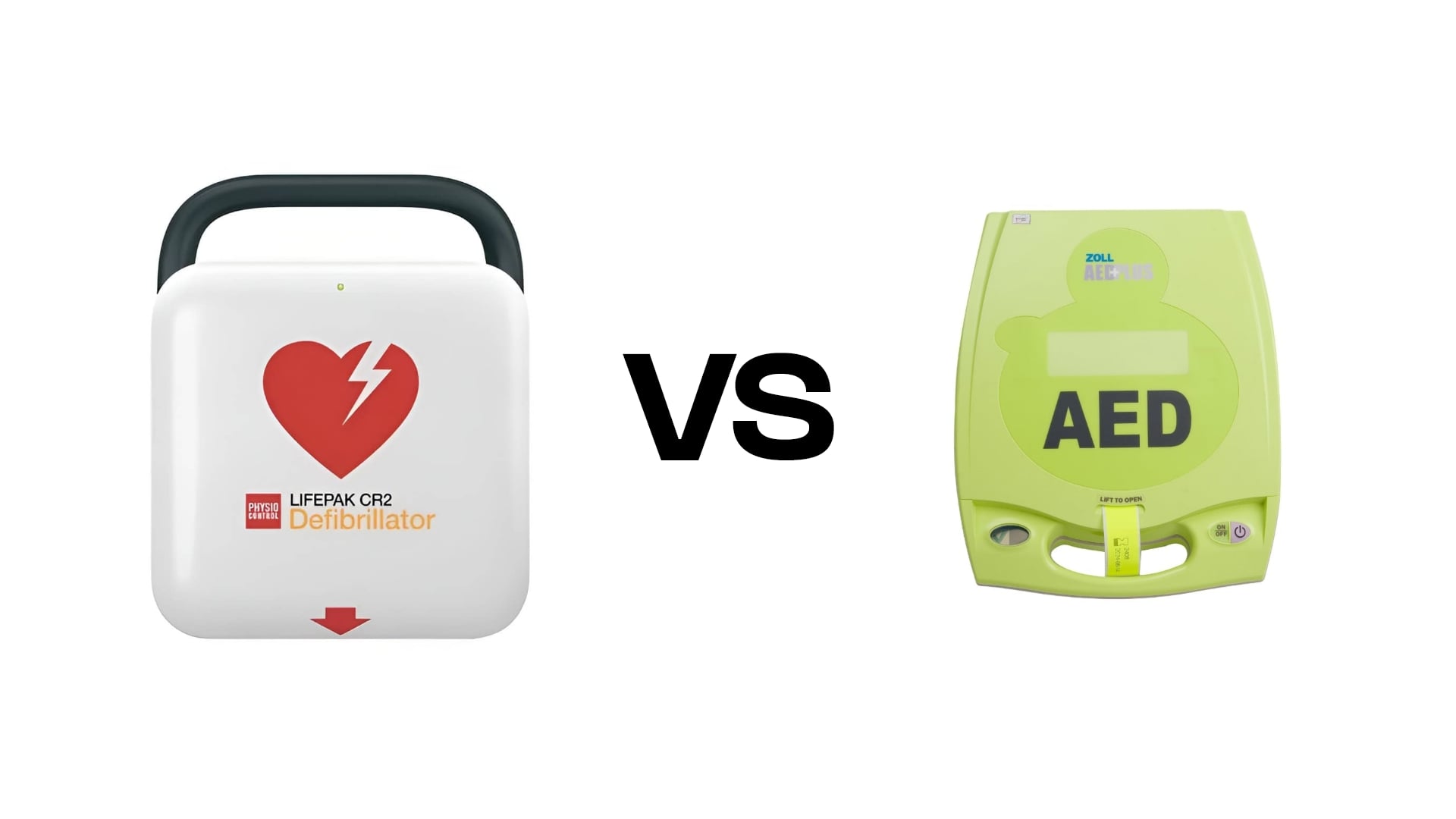
- If you are at risk of sudden cardiac arrest, having an AED at home can be lifesaving. Devices like the Philips HeartStart OnSite and ZOLL AED Plus allow nearby people to give a shock. This can happen before emergency responders arrive, which greatly boosts survival chances.
Risk of dying in your sleep is low, but you can reduce it even further
Most factors can cause death during sleep, but the risk is low. This is especially true for young and healthy people. Tackling health issues and risks during the day can ease worries. This helps prevent anxiety at night.
Fixing personal challenges and improving relationships can ease worries and bring peace. Feeling prepared, no matter your health risks, can help you sleep better. It makes each day feel easier.
FAQs
How do people die in their sleep?
People can die in their sleep due to hidden health issues. These include heart disease, stroke, and sleep apnea. These issues can quietly disrupt important functions. This may lead to something called sleep death.
What are the most common ways of dying in your sleep?
Common causes of dying in your sleep are sudden cardiac arrest, strokes, and issues from sleep apnea that affect breathing. In rare cases, accidents, seizures, or carbon monoxide poisoning may also play a role.
Can healthy people die in their sleep?
Yes, even those who appear healthy can unexpectedly die in their sleep. Hidden risks can lead to sudden death at night. These include genetic heart issues, irregular heart rates, and neurological problems.
Is there a safe way to die in your sleep?
From a medical view, you can’t plan to die in your sleep. Yet, staying healthy lowers the chances of dying young. Awareness and prevention are the best ways to ensure safer sleep.
What are the warning signs of sleep dying?
While sudden events often show no signs, the risks of sleep dying may be higher in people with chest pain, palpitations, high blood pressure, sleep apnea, or unexplained fainting episodes.
Conclusion
In the end, sudden death during sleep is rare, but it can happen to anyone. Heart disease, stroke, and sleep apnea are major health issues. Lifestyle choices and preventive care can greatly reduce these risks. Staying informed, managing health problems, and practicing safe habits can help you unwind at night. Knowing how you might die in your sleep isn’t about fear. It’s about being aware, preparing, and taking charge of your long-term health.
Disclaimer for information purposes only:
The information provided on this website is intended for general educational and informational purposes only. It is not medical advice and should not be used as a substitute for professional diagnosis, treatment, or care. Always consult a qualified healthcare or medical professional regarding any health-related questions or concerns.
While we strive to ensure the information shared is accurate and up to date, no guarantees are made regarding completeness, accuracy, or applicability to any individual situation. Use of this content is at the reader’s sole discretion and risk.
This website is part of the Response Ready family of emergency preparedness and training resources, including CPR & first aid training and compliance services, AED sales and program support, AED program management software, and medical oversight solutions provided through our affiliated platforms:
• CPR1.com
• AEDLeader.com
• AEDTotalSolution.com
• ResponseReady.com
By accessing or using this website, you agree to release, indemnify, and hold harmless the website owners, authors, contributors, and affiliated entities from any claims, losses, damages, or liabilities arising from the use or reliance on the information presented.

Dr. Ann Jarris MD, MBA, FACEP
Save Lives with the Right AED Today
Buy Trusted AEDs Today!
Get Certified in CPR and Make a Difference!
Save Lives with the Right AED Today
- Published