
A sudden cardiac arrest can feel overwhelming, especially when you want to help but don’t know what to do. A modern portable AED turns fear into action. It lets anyone respond quickly and with confidence. These compact devices are made for everyday people, not just medical pros. They use clear voice prompts to guide you step by step. Knowing about AED defibrillators helps you pick the best one for your home, work, or community. This knowledge helps you feel ready to act quickly when it matters most.
Portable defibrillators have changed the way we deal with sudden cardiac emergencies. They provide quick and trustworthy support when every second is vital. Compact yet highly effective, they put life-saving power directly in your hands. Press a button. These devices change panic into quick action. They provide a real chance to survive in a crisis.
This guide gives you a clear understanding of how AEDs function and what to look for when choosing one. By the end, you’ll feel more informed and ready to select the device that suits your needs with confidence.
Key takeaways
- AEDs are designed to save lives and are simple enough for anyone to operate. They give a targeted electric shock to help restart a normal heartbeat when someone has sudden cardiac arrest.
- Portable AEDs come in different sizes. The Avive Connect is notable for being lightweight and easy to carry. This makes it simple to have on hand when needed.
- AED maintenance varies by device. Some need routine manual inspections, while others do automatic self-checks. This keeps them ready for use.
- Choose an AED that is user-friendly, requires little maintenance, and has helpful features. Look for built-in CPR guidance, too.
- Knowing how to use an AED is vital. It boosts your confidence to act fast and helps keep everyone safe in a cardiac emergency.
Get certified in CPR
CPR & AED Training
3-hour in-person training with a 2-year nationally recognized certification.
CPR, AED & First Aid Certification
Instructor-led on-site. Practice on real manikins and AED trainers.
What is a portable AED device?
Knowing how an AED works is important. It helps you respond quickly and confidently in a cardiac emergency. This knowledge can lead to a safer outcome.
Defining the Automated External Defibrillator.
An automated external defibrillator (AED) is crucial during sudden cardiac arrest. It provides easy-to-follow instructions that can help save a life. It acts as a crucial backup in critical moments when fast action matters most.
An AED checks the heart’s rhythm and, when necessary, delivers a shock to bring it back to a normal pattern. Easy for anyone to use, it is a vital tool in emergencies. Every minute counts and can affect survival.
Picture a small device within reach when time is crucial. It gives you the power to act and could save a life. Its presence alone can change the outcome of a critical moment. Next, we’ll take a closer look at how an AED actually works.
How an AED Saves a Life
An AED, or automated external defibrillator, activates when the heart’s rhythm is off. It gives clear directions in urgent situations. It begins by showing you exactly where to position the pads so the device can do its job effectively.
The pads do more than simply adhere to the skin, they allow the AED to assess the heart’s rhythm. If the device finds a dangerous problem, it gets ready to deliver a shock. This shock can help restore a normal heartbeat.
An AED gives a controlled shock to help the heart return to a normal rhythm. It uses clear voice instructions and simple visuals to guide you. For example, it tells you when to press the button and when to stay clear. The Philips HeartStart Home AED lets anyone act confidently in an emergency, even without medical training.
Why Quick Action with an AED Is Critical
When sudden cardiac arrest happens, every second counts. Waiting for emergency crews isn’t an option. Survival drops sharply with each moment that passes without action. An AED can restore a disrupted heartbeat, but only if it’s used right away. A portable defibrillator can make a big difference. If a bystander has one and knows how to use it, they become a vital first responder. This immediate help can significantly improve survival chances until medical help arrives.
Understanding Sudden Cardiac Arrest Survival Rates
Sudden cardiac arrest is one of the leading causes of death in the U.S., striking more than 350,000 people each year. Cardiac arrest is not the same as a heart attack. A heart attack happens when blood flow is blocked. In contrast, cardiac arrest is an electrical failure. This stops the heart from pumping well, cutting off oxygen to the brain and vital organs. Without rapid action, it is almost always fatal. Survival hinges on how quickly someone calls 911, begins CPR, and uses an AED. Keeping a defibrillator at home, work, and in public places can save lives. It gives bystanders the tools to act quickly.
How Every Minute Counts
The timing in a cardiac emergency is brutally strict. Each minute without defibrillation reduces the chance of survival by about 10%. After ten minutes, survival is unlikely. In just a few minutes, a chance to save a life can vanish. The brain can’t survive long without oxygen. CPR helps keep blood moving, but only an AED can deliver the shock needed to restore the heart’s rhythm. That’s why acting immediately isn’t optional, it’s essential.
Bridging the Gap Before First Responders Arrive
In a cardiac emergency, the bystander is the first responder. They act before EMS arrives. When emergency crews take seven minutes or more to arrive, nearby actions are crucial. Using an AED before professionals arrive can boost survival rates significantly. In areas with strong AED programs, these rates can even exceed 50 percent. Your quick response is vital. It can keep someone alive until medical help arrives. Proper training is important. CPR1.com offers courses to help you build skills and confidence. This way, you can act quickly when every second matters.
What to Look for in a Portable AED
Portable AEDs have transformed how quickly we can respond to cardiac emergencies. Their compact and lightweight design makes them easy to carry and use. This is true even for those without a medical background. They are easy to use and need little maintenance. This makes them a reliable choice when quick action is needed.
Compact and ready to go
Portable AEDs have redefined emergency preparedness, especially for people on the go. The Avive Connect AED weighs only 2.1 pounds. It’s small enough to fit in a backpack. This makes it easy to carry life-saving support with you anywhere.
It’s as easy to carry as a water bottle, but this one has the power to save a life.
AEDs vary in size, with some models over 570 cubic inches. They are usually stored in fixed cabinets. Compact options, like the Avive, are built for portability. This makes them easier to carry, store, and use anywhere.
It’s not the size of the AED that matters, it’s the life-saving power packed inside that truly counts.
Simple Steps for Lifesaving Action
Portable AEDs are easy to use. They provide clear voice instructions for each step. Anyone can confidently respond in an emergency, even without medical training. This is thanks to their intuitive and user-friendly design.
These devices focus on ease of use. They offer helpful features, like real-time CPR guidance. This makes it easier and less stressful to respond in urgent situations.
Portable AEDs are easy to use. They provide clear voice instructions that guide you through every step. This guidance helps users stay composed and act quickly when an emergency strikes.
Real-time feedback offers crucial support. These devices are crucial in a cardiac emergency. Quick action is essential. They offer the guidance needed to respond quickly and effectively. Next, we’ll explore the key factors to consider when selecting the right AED.
Keeping your AED ready for action.
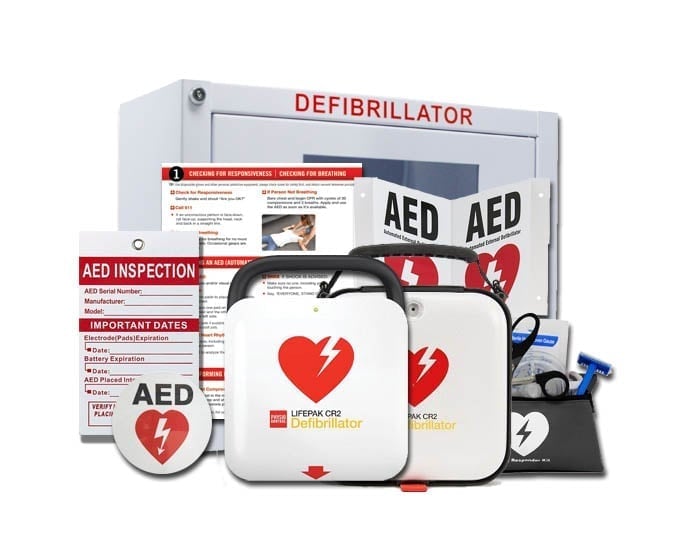
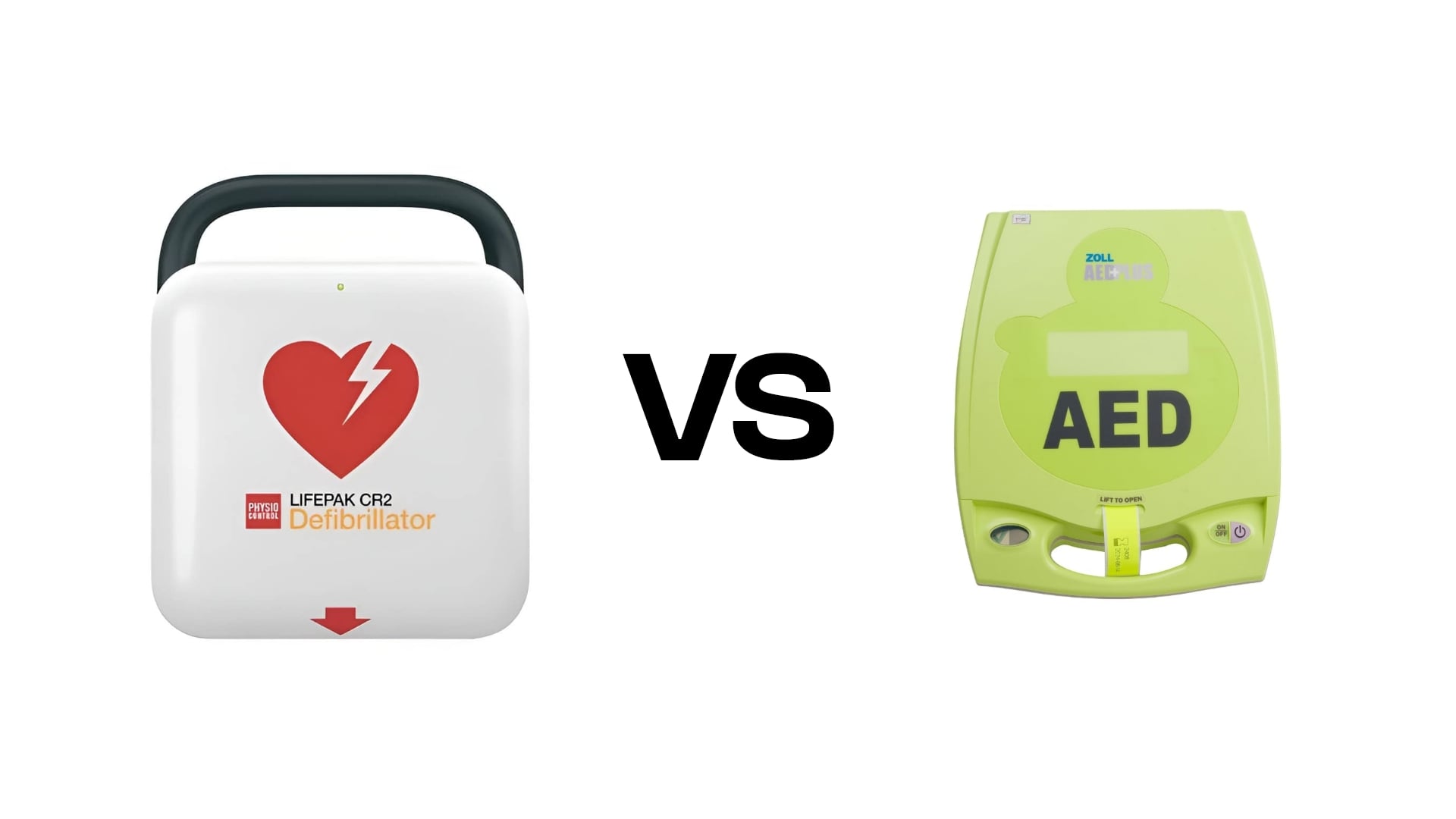
Keeping an AED in proper working order is essential so it is ready when needed. This includes regularly confirming the battery, pads, and overall device status. Some units need weekly inspections, like the HeartSine SAM 350P. Others, such as the LIFEPAK CR2, do automatic self-checks to stay ready.
The Cardiac Science Powerheart G5 requires daily checks to stay ready for action. Staying current with maintenance not only ensures reliability but also gives you peace of mind with Good Samaritan protections.
RECOMMENDED
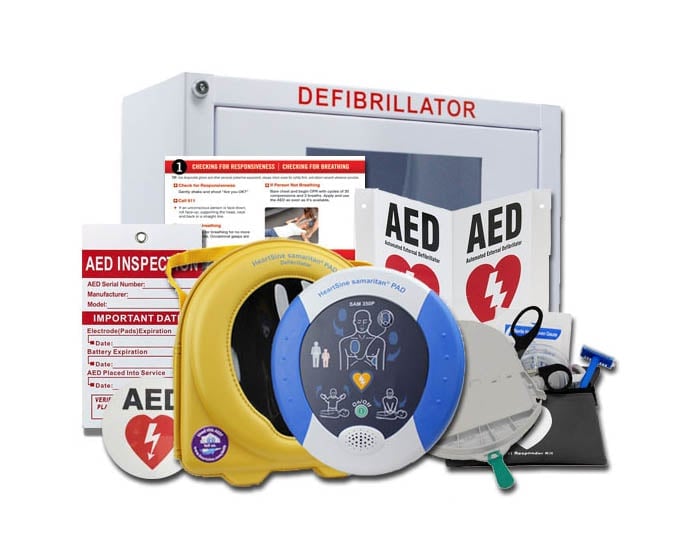
HeartSine Samaritan 350P AED Package
Compact, fully-automatic AED designed for first-time responders. Pads, battery, carry case and wall sign included.
How to Choose the Best Portable AED
Choosing the right AED begins with looking at how easy it is to use. Also, think about which features fit your needs. Ready to make a smart choice? Now is a great time to check out the portable defibrillators available today.
Your AED Buying Checklist
Before buying a portable AED, consider a few key factors. This will help you pick the right device for your needs.
- Choose an AED that is simple and easy to use. It should be intuitive so anyone can operate it, no matter their age or experience.
- Think about the long-term costs of keeping the AED. This will help you stay within your budget.
- Pick an AED that has an easy-to-use interface. It should be durable but light. Look for features like CPR guidance and real-time feedback to help with effective use.
Advanced Features in Modern AEDs
Modern AEDs are no longer shock-delivery devices. They are now smarter, more intuitive, and better connected. Today’s technology eases uncertainty in high-pressure situations. It sends automatic alerts and gives real-time CPR guidance. This helps ensure quick and accurate responses. These upgrades help everyone act confidently during a sudden cardiac arrest. Now, let’s explore the innovations that distinguish today’s AEDs from older models.
Smart Connectivity for Faster Help
In a cardiac emergency, every second counts. Newer AEDs with built-in connectivity help responders act quickly. The Avive Connect AED uses Wi-Fi, cellular, and GPS. It automatically alerts 911 right after activation. This removes the need for a bystander to pause and make a call, allowing help to be dispatched instantly. It also shares its exact location. This helps first responders get to the scene quicker. Every second matters in emergencies.
Automated Monitoring for Readiness
An AED works well only when it’s ready to use. Modern models are much easier than older ones, which needed regular manual checks. Many new devices do routine self-tests on their batteries, pads, and systems. They alert you if anything needs attention. This built-in monitoring lowers the need for constant checks. It’s particularly useful for locations that oversee many units. AED program management services can track device status from afar. This helps ensure that all devices stay compliant and ready across different locations.
Features for Ease of Use
Modern AEDs are designed for everyone to use, even without medical training. They give clear voice instructions and simple visual prompts. This guides you through each step. Many models provide real-time CPR feedback. They sense the depth and pace of compressions. Then, they give helpful cues to improve quality. This guidance helps with effective CPR. It’s vital for survival during cardiac arrest. These features simplify the process and cut uncertainty. This makes it easier to act quickly and confidently. Training in CPR and AED use further strengthens your ability to respond when it matters most.
Recommended models for 2025
Here are some top AEDs for this year. They provide reliable performance and peace of mind for those who want to be ready.
Here’s a quick overview to guide you:
| Model | Price |
|---|---|
| Philips Home HS1 Defibrillator | Top choice for home |
| Philips HeartStart OnSite AED | $1,479.00 – $1,689.00 |
| HeartSine Samaritan PAD 350P | $1,410.75 |
| LifePak CR2 AED | $2,255.90 – $2,680.80 |
| ZOLL AED PLUS | $2,142.50 |
| Physio-Control LIFEPAK CR2 | $2,376.90– $2,741.50 |
Choosing an AED can seem daunting, but the right device can make all the difference in an emergency. The Philips Home HS1, for instance, offers dependable reassurance for families. Although the cost may appear high, the peace of mind that comes with being prepared is invaluable.
If you’re considering an AED, the Philips HeartStart OnSite is a practical option. It’s straightforward to operate and often more affordable than people assume. Keeping one nearby, at home, work, or while traveling, gives you peace of mind. It shows you’re ready to act in case of an emergency.
These leading options for 2023 provide valuable reassurance when emergencies strike. Life is unpredictable. Having the right tools can help you feel more confident and ready.
Acquiring and Placing Your AED
After choosing to invest in an AED, the next step is to find out how to get one and where to install it for the best results. It’s not about buying a device. It’s about setting up a reliable safety measure. This can truly help in an emergency. When you think about buying, leasing, or placing your AED, keep in mind that it should be easy to access. This way, it’s ready when you need it most. Let’s look at key points to help you prepare confidently for your home, workplace, or community.
Purchase and Leasing Options
You can bring an AED into your environment by either buying or leasing it. Purchasing gives you full ownership and works well if you can cover the initial cost. Leasing, yet, offers a more flexible option with lower upfront expenses. Many rental programs cover maintenance, supply replacements, and compliance support for a single fixed fee. This choice is popular among schools, businesses, and organizations. They want a simple, all-in-one solution. This ensures the AED stays ready to use without unexpected responsibilities or costs.
Navigating Medical Prescriptions and Oversight
Since AEDs are FDA-regulated medical devices, you need a doctor’s prescription to buy one. Also, many states need medical oversight for AED programs. This oversight keeps the device in good shape and meets all legal needs. Although this may seem complex, many providers make the process straightforward. MDSIMedical.com provides the medical guidance and compliance support you need. This keeps your program aligned with state rules and ready for emergencies. It takes the guesswork out of managing it alone.
Strategic Placement: The Three-Minute Rule
Where you place an AED is as crucial as owning one. The goal is to reach the device and deliver a shock within three minutes of someone collapsing. So, it should be kept in a central, visible, and easily accessible spot. High-traffic locations like lobbies, cafeterias, or areas near elevators are ideal. In gyms, placing units near the workout floor is effective. Large facilities, like warehouses, might need several units for quick access. The priority is clear: everyone must know where it is. They should also be able to access it quickly when time is critical.
AED Training and Legal Must-Knows
Legal requirements matter when choosing a defibrillator. Also, getting the right training is key. Knowing how to use the device properly can make all the difference in an emergency.
Are you legally protected when using an AED?
AED rules vary by state, industry, and OSHA guidelines. So, it is important to know the rules that affect you. Knowing these requirements helps you use and set up your device correctly. This keeps your program compliant.
Not following AED regulations can cause legal problems. So, it’s important to stay updated on the latest requirements. Stay safe and compliant by following OSHA standards. Get the right certifications. Also, know Good Samaritan protections.
Knowing AED regulations keeps you compliant with state laws and lowers your risk. Following federal guidelines keeps the device safe and legal in various industries and settings.
Understanding Good Samaritan Laws
Many people hold back in emergencies. They’re scared of making mistakes or facing legal issues. Good Samaritan laws help ease fears. They protect anyone who tries to help out of kindness. If you act responsibly and try your best, these laws protect you from liability when doing CPR or using an AED. They want to boost your confidence. This way, you can act quickly in emergencies when every second matters.
Why Proper AED Training Matters
AED training is vital for cardiac emergencies. Using the device incorrectly can lead to harm. Every year, over 365,000 cardiac arrests happen outside hospitals. Because of this, many states now require AED training. This training helps ensure safe and effective responses.
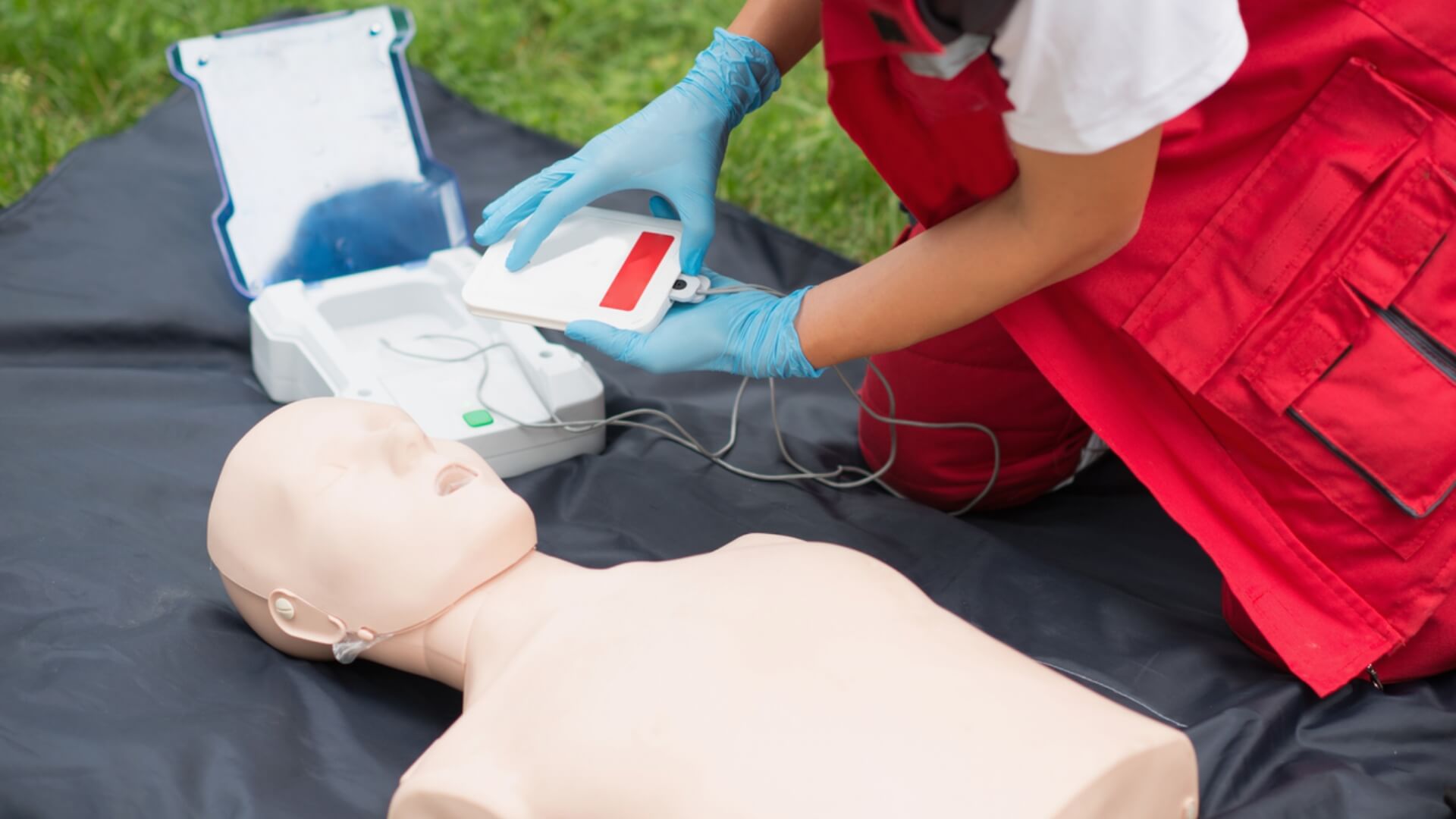
These courses offer a two-year certification. They teach you to use an AED and perform CPR until help arrives. They follow the 2015 guidelines and OSHA standards. This helps you build key skills to respond well in a medical emergency.
This preparation is crucial, especially when stress increases and quick action is needed. The right training makes a big difference. It builds quiet, steady confidence that can save lives.
FAQs
Why is an AED important in a cardiac emergency?
During sudden cardiac arrest, survival declines rapidly with each passing minute. An AED is the only tool that can restart a heart. It corrects dangerous heart rhythms. This makes quick action crucial before help arrives.
Can anyone use an AED without medical training?
Yes. Modern AEDs are designed for everyone. They guide users with clear voice instructions and helpful diagrams. Training is recommended, but anyone can confidently use the devices.
What features should I look for when choosing a portable AED?
Ease of use, minimal maintenance, CPR coaching, portability, and reliability are key. Some advanced models include Wi-Fi and GPS. They also send automatic EMS alerts. This helps to speed up emergency response.
Do AEDs need regular maintenance?
Yes, but the level of upkeep varies by model. Some units need manual checks. But many modern devices automatically test pads, batteries, and internal parts. Staying up to date ensures the AED is always ready.
Is a prescription required to sell an AED?
Because AEDs are FDA-regulated medical devices, a physician’s prescription is required. Many providers simplify this step. They offer oversight services to ensure your AED program meets state laws.
Not sure which AED or training fits your needs?
An MDSI medical-oversight expert walks you through it — no obligation.
Talk to an expert →Conclusion
Choosing the right portable AED is about being ready when it counts. Modern devices help everyone take life-saving actions. They provide clear guidance, smart features, and reliable support in critical moments. Keeping an AED close by is vital for your home, workplace, or community. Knowing how to use it can greatly improve outcomes in a cardiac emergency. With the right device and training, plus careful placement, you can respond quickly. This gives someone their best chance to survive.