

Sudden Cardiac Arrest (SCA) is a major public health issue. It claims over 350,000 lives each year in the United States, including many children. This silent condition is often unexpected. It is a leading cause of death. This highlights the urgent need for more awareness and prevention efforts.
Sudden Cardiac Arrest (SCA) is a serious condition. It happens when the heart suddenly stops or beats irregularly. This disruption in the heart’s electrical system stops it from pumping blood effectively. Abnormal rhythms often cause serious heart issues. Yet, other problems can also lead to these events. These include coronary artery disease, heart muscle disorders, congenital defects, heart failure, or severe physical trauma.
The CDC estimates that 6.2 million Americans have heart failure. Coronary heart disease is the leading cause of death in the U.S., impacting about one in 20 adults. Heart conditions are on the rise, increasing the risk of sudden cardiac arrest. So, understanding prevention is more important than ever.
Sudden Cardiac Arrest (SCA) can happen to anyone. It doesn’t matter your age, background, or lifestyle. It often strikes without warning. Its sudden onset means quick action is crucial for survival. Quick CPR and fast use of an AED can improve survival rates. Each minute without help lowers the chances of survival.
Sudden Cardiac Arrest can occur unexpectedly, but you can control many risk factors. You can lower your risk a lot by making smart lifestyle changes. Keep reading to learn how heart-healthy habits can help prevent issues.
What is cardiac arrest?
Cardiac arrest occurs when the heart stops beating suddenly. This cuts off blood flow to the brain and other vital organs. Delaying medical help can cause unconsciousness, serious harm, or even death quickly.
If someone you love shows signs of cardiac arrest, call 911 right away. Many states need AEDs in public places. People can use them to help save lives. If one is nearby, use it as instructed while waiting for emergency responders to arrive.
Get certified in CPR
CPR & AED Training
3-hour in-person training with a 2-year nationally recognized certification.
CPR, AED & First Aid Certification
Instructor-led on-site. Practice on real manikins and AED trainers.
What are the symptoms of cardiac arrest?
Cardiac arrest can sometimes strike without any warning. Sometimes, small symptoms show up first. This gives a short chance for early recognition and action.
- Fatigue
- Dizziness
- Shortness of breath
- Nausea
- Chest pain
- Heart palpitations (fast or pounding heartbeat)
- Loss of consciousness
Cardiac arrest symptoms can be extremely dangerous and demand urgent care. If you have chest pain, dizziness, trouble breathing, or sudden numbness, call for emergency help immediately. This is especially important if you have a history of heart problems.
Signs and Symptoms of Sudden Cardiac Arrest
Recognizing the signs of sudden cardiac arrest quickly is vital to improving survival. A person can lose consciousness, stop breathing, and become unresponsive in seconds. These signs mean you should call for emergency help right away.
Some people lose consciousness suddenly due to cardiac arrest. A 2022 study found that about 65% show early signs before this happens. These symptoms usually show up just before the event. This gives a key chance for quick help.
- Shortness of Breath or Labored Breathing
- Chest Pain
- Loss of Consciousness
- Heart Palpitations (fast or pounding heartbeat)
- Dizziness or Lightheadedness
Don’t ignore early warning signs. Getting medical help fast can boost your chances of surviving sudden cardiac arrest.
RECOMMENDED
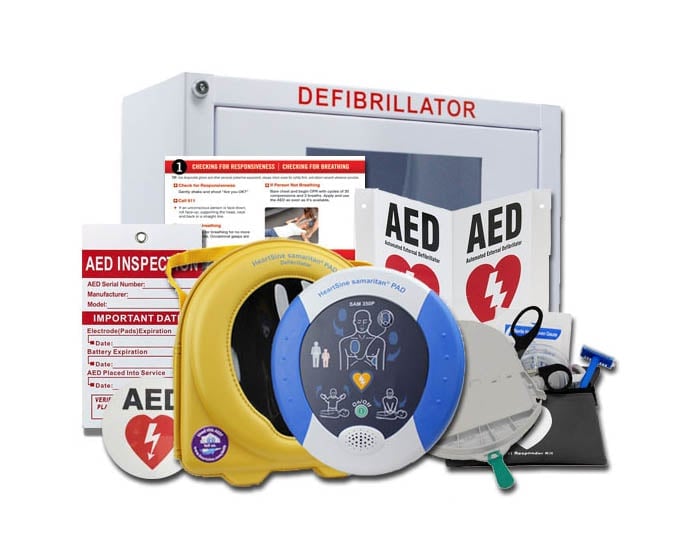
HeartSine Samaritan 350P AED Package
Compact, fully-automatic AED designed for first-time responders. Pads, battery, carry case and wall sign included.
How to prevent cardiac arrest
Preventing sudden cardiac arrest starts with knowing your individual risk. If you’re healthy, maintain habits that promote heart health. If you have genetic issues, heart problems, or a history of heart events, you may need more monitoring.
Make healthy choices to lower your risk of cardiac arrest. Here are some simple, proven tips:
Manage Stress
Many people overlook stress as a major cause of serious health problems. This includes heart issues. Since the early 2000s, Duke and Harvard have linked chronic stress to heart issues. This includes a higher risk of heart attacks, which can lead to cardiac arrest.
The American Heart Association says stress can cause unhealthy habits. These include smoking, a poor diet, not being active, and skipping medications. These behaviors hurt well-being. They can also raise the risk of cardiac arrest over time. Managing stress is essential for protecting both mental and heart health.
Quit smoking and using tobacco products
Giving up smoking is one of the most effective ways to improve long-term heart health. The CDC says smoking hurts blood vessels and raises blood pressure. It also lowers oxygen in the blood and causes artery blockage. All these factors put extra strain on the heart. Quitting can lower the risk of heart disease and blood clots over time. This helps protect against cardiac arrest.
Adopt a healthy diet.
A balanced, nutrient-rich diet helps support heart health. It also lowers the risk of cardiovascular disease. To stay healthy, eat a variety of fruits and vegetables. Include whole grains, lean proteins, and omega-3 fish like salmon or trout.
To keep your heart healthy, reduce foods high in salt and saturated fats. This includes full-fat dairy, fried foods, and fatty meats. Choosing healthier options can help with obesity, diabetes, and high cholesterol. These issues can increase the risk of cardiac arrest.
Limit alcohol intake.
Heavy drinking and binge drinking can increase the risk of heart issues. These include high blood pressure, stroke, and heart disease. Cutting back on alcohol can lower these risks. It helps prevent issues like obesity and addiction. This, in turn, reduces the chance of cardiac arrest.
Exercise & Regulate Weight
Maintaining a healthy weight helps your heart work better. It also reduces the chances of high blood pressure, diabetes, and heart disease. Regular exercise and a balanced diet help your heart. They boost your cardiovascular health and lower the risk of a heart event.
Screen for Family History of SCA
If a close family member has experienced cardiac arrest, your own risk may be higher. A heart screening can check for inherited conditions. This helps you take preventive action. Knowing your family’s heart health history helps you make smart choices. This can lower your risk of sudden cardiac arrest.
Regular Medical Checkup for Existing Heart Conditions
Heart problems, like coronary artery disease, arrhythmias, and congenital defects, can increase the risk of cardiac arrest. Regular checkups and heart screenings help catch problems early. This means you can get treatment on time. Options include medication, lifestyle changes, or medical procedures. These steps can prevent serious complications
Prepare yourself: know CPR and how to use an AED.
Knowing when and how to use CPR and an AED can save lives. Most sudden cardiac arrests happen at home. Being prepared could mean the difference between life and death for someone close to you.
CPR is a vital skill everyone can learn. AEDs are also simple to use, even for those without training. Research shows that even kids can use AEDs well. They can deliver shocks quickly enough to help in an emergency.
Seeing signs of cardiac arrest and acting fast with CPR and an AED can boost survival chances. For detailed steps, explore our complete CPR guide.
High-Risk Factors for Sudden Cardiac Arrest
Heart conditions and other health problems can increase the risk of cardiac arrest. Common contributing factors include diabetes, high blood pressure, and coronary artery disease.
Surviving a cardiac arrest does not end the risk of another. People who have had a sudden cardiac arrest are much more likely to have it again. So, ongoing monitoring and preventive care are very important.
Doctors may suggest placing an implantable cardioverter-defibrillator (ICD) in patients with heart problems. This can help lower the risk. This small, battery-powered device goes in the chest. It spots abnormal heart rhythms and can give a shock to fix the heartbeat. It works like an AED in emergencies. ICDs help prevent sudden cardiac death. They are often used for high-risk people who have survived an episode.
FAQs
What is sudden cardiac arrest, and why is it so dangerous?
Sudden cardiac arrest (SCA) occurs when the heart ceases to beat. It often occurs without any warning. It cuts off blood flow to the brain and vital organs. If not treated right away, it can cause death in minutes. Recognizing the signs and acting fast with CPR and an AED can be lifesaving.
How can I lower my risk of cardiac arrest?
Understanding how to avoid cardiac arrest starts with knowing your risk factors. A healthy lifestyle can lower your risks. You can do this by eating well, exercising regularly, controlling your weight, and cutting back on alcohol and tobacco. Regular heart screenings are important. Managing conditions like high blood pressure and diabetes is also key. These steps help prevent cardiac arrest.
Can stress cause cardiac arrest?
Yes, chronic stress is a major but often overlooked risk factor. It can cause unhealthy habits, like smoking or bad eating. These habits raise the risk of heart disease and may lead to cardiac arrest. Managing stress is key to heart health. It also helps prevent cardiac arrest.
Are there warning signs before sudden cardiac arrest occurs?
While SCA can happen without warning, many people do experience symptoms beforehand. These may include chest pain, shortness of breath, dizziness, or sudden fatigue. Promptly seeking medical attention when these signs appear greatly improves survival odds.
How do I prevent cardiac arrest in my sleep?
To stop cardiac arrest while sleeping, manage health issues. These include sleep apnea, arrhythmias, and other heart problems. Check-ups, taking your meds, and a heart-healthy lifestyle can lower your nighttime risk.
What role does family history play in cardiac arrest risk?
Having a close relative who experienced cardiac arrest increases your risk. Knowing your family’s heart history and getting heart screenings can spot genetic risks. Early intervention through lifestyle changes or medical treatment can make a critical difference.
Is CPR training necessary for preventing cardiac arrest deaths?
Absolutely. Learning CPR and how to use an AED is important. Most cardiac arrests occur at home. Immediate action from a bystander can significantly improve a person’s chances of survival.
What is an ICD, and how does it help to prevent cardiac arrest?
An Implantable Cardioverter Defibrillator (ICD) is a chest device. It finds and fixes abnormal heart rhythms by delivering a shock. For people who have survived SCA or are at high risk, an ICD is a common and effective preventive measure.

Not sure which AED or training fits your needs?
An MDSI medical-oversight expert walks you through it — no obligation.
Talk to an expert →Conclusion
Sudden cardiac arrest is a serious emergency that can occur without warning. Yet, many risk factors can be prevented. You can reduce the risk of cardiac arrest by making healthier choices. Regular checkups, stress management, and learning CPR also help. These steps protect you and others around you. Act early to prevent cardiac arrest during sleep. Stay informed about inherited risks. Be heart-smart! Focus on your heart health today to safeguard your future.