
In a cardiac emergency, an AED can save lives. Yet, not every situation is clear-cut. Certain environments or conditions demand extra care to ensure both safety and success. If a person is lying on a wet surface, near metal, or has a medical device, change things up before using the defibrillator. Adapting to these unique situations helps responders use the AED effectively. This protects everyone involved and boosts the victim’s chances of survival.
- Pediatric patients
- Wet or sweaty patients
- Patients lying on snow or ice, or near flammable or combustible materials.
- Patients with a hairy chest
- Patients with a medication patch.
- Patients with a pacemaker or an implantable cardioverter defibrillator
- Patients with jewelry or body piercings.
- Patients who are wearing a bra.
- Patients who are pregnant.
In a cardiac emergency, every second counts. If the person isn’t breathing and is unresponsive, start chest compressions immediately. Have someone call for emergency help and get an AED. Acting quickly and with purpose can really help. It gives the victim the best chance to survive.
Using an AED on infants and children: key safety tips.
Cardiac arrest in children is rare, but it can happen. Using an AED correctly is very important. Many defibrillators have a pediatric mode. They also use special child pads. These features automatically deliver a lower shock level. This lower energy setting makes the treatment safe for younger, smaller patients.
When using an AED on a child younger than eight, activate the pediatric mode if available. Attach child electrode pads for a gentler shock. This suits their smaller bodies and ensures safe, effective treatment.
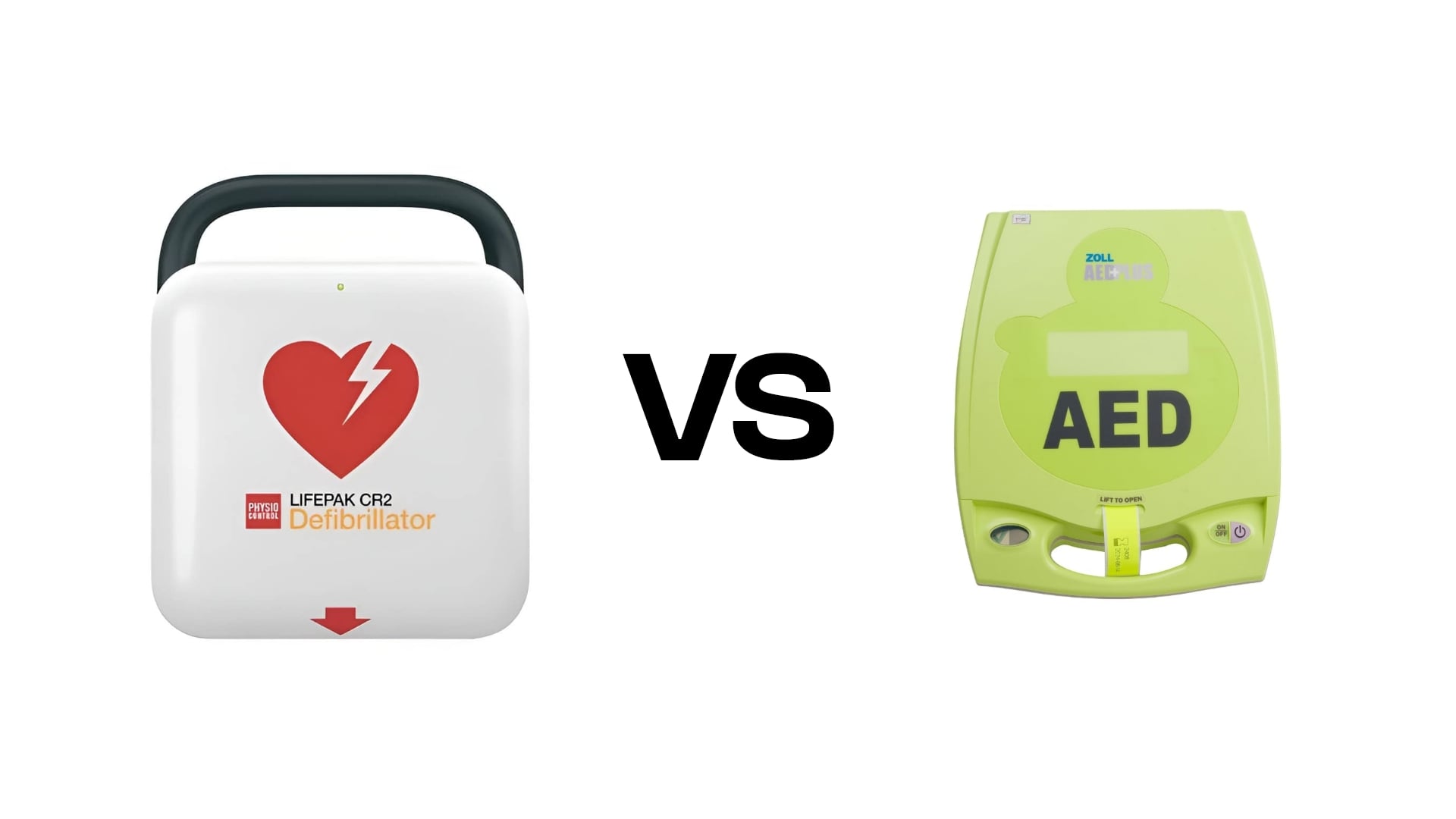
- For the ZOLL AED Plus, switch the adult pads with the ZOLL Pedi Padz II, available separately. Once connected, the device automatically updates its voice prompts. It guides you for pediatric use.
- The Defibtech Lifeline AED can safely treat children with optional pediatric pads. Just unplug the adult pads and connect the pediatric set. The device will switch to pediatric mode for the right energy delivery.
- With the Philips HeartStart FRx, insert the optional infant or child key. This automatically lowers the shock level. You can still use the standard adult electrode pads safely.
- On the Physio-Control Lifepak CR2, turn on Child Mode. This lowers the shock level for kids. You can still use the same electrode pads meant for adults.
- For HeartSine Samaritan PAD 350P, 360P, and 450P, use child Pad-Paks for kids. These are sold separately from the adult versions. When you connect, listen for the voice prompts on semi-automatic models such as the 350P and 450P. Press the shock button when it tells you to.
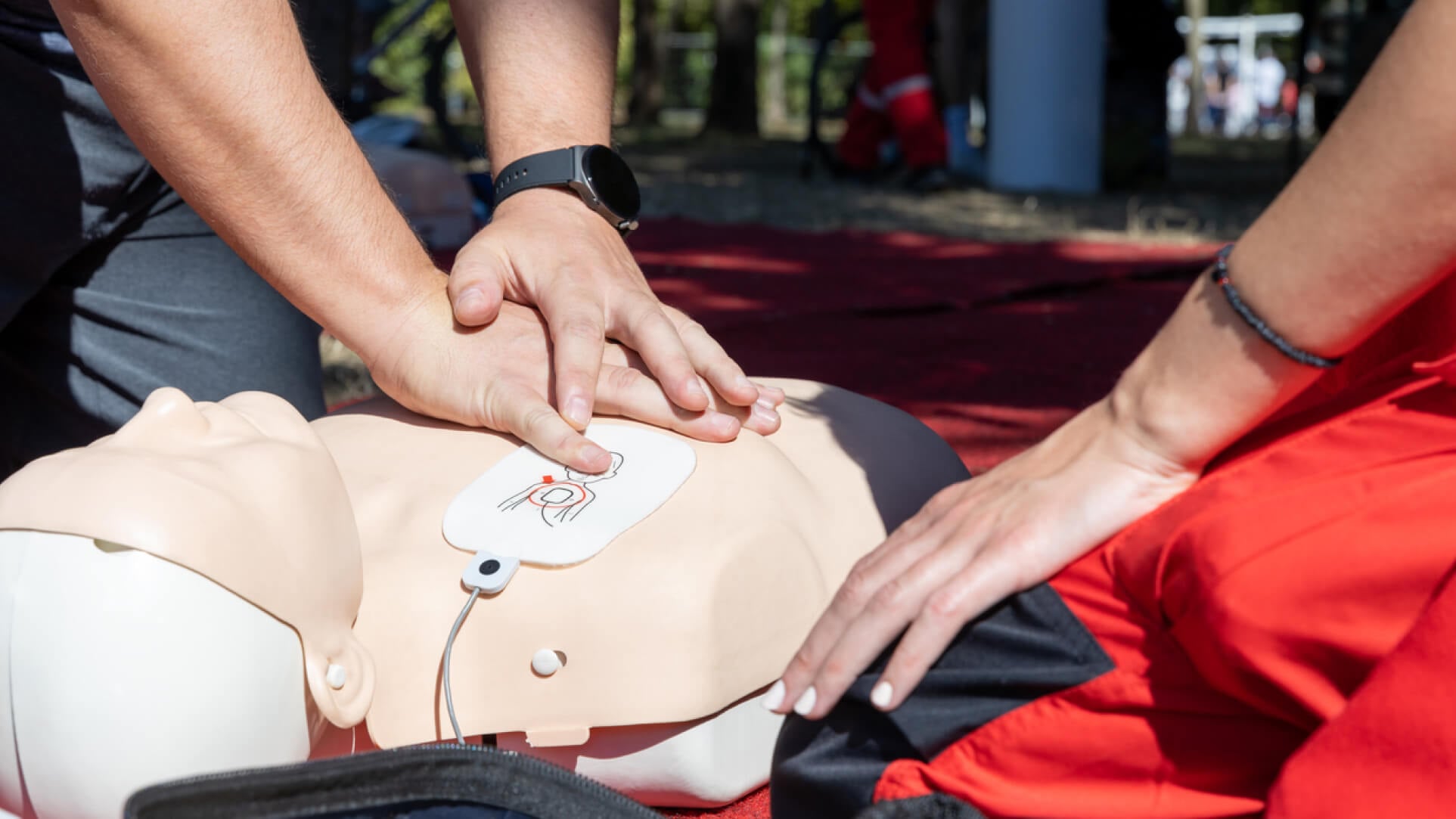
If pediatric pads or a child mode aren’t available, adult pads can still be used safely. Place one pad in the center of the chest. Put the other on the upper back. This setup prevents overlap and ensures that the shock is delivered effectively.
For infants under twelve months, use a manual defibrillator if you can. This is important, especially if pediatric pads aren’t available. If you don’t have a manual device, using an automated defibrillator is a good option. It’s better than taking no action at all.
Get certified in CPR
CPR & AED Training
3-hour in-person training with a 2-year nationally recognized certification.
CPR, AED & First Aid Certification
Instructor-led on-site. Practice on real manikins and AED trainers.
Can you use an AED on a wet or sweaty person?
If the person is wet or sweaty, move them to a dry area and quickly dry only the chest before attaching the AED pads. AHA guidelines say to focus only on the chest. Don’t waste time drying the whole body. Every second counts.
Keeping the chest dry is vital to ensure the electrical shock travels directly to the heart. It also prevents electricity from spreading through water and endangering bystanders. If the person is on a wet surface but their chest is dry, move them out of the water and continue using the AED as normal.
Using an AED on metal, snow, or other surfaces is important.
When using an AED near water, take extra precautions. This helps keep everyone safe and ensures the device works well. Understanding these risks helps prevent electrical hazards. It also ensures that the shock reaches the heart properly.
- It is safe to use an AED if the patient is lying on snow or ice [2[mfn]ahajournals.org[/mfn]].
- Make sure there’s no metal surface linking the patient to the person using the AED, as this could pose a safety risk.
- Don’t use an AED where there are flammable vapors, like gasoline or aviation fumes. A small spark can start a fire.
Treating a patient with a hairy chest.
Excess chest hair can stop AED pads from sticking to the skin. This can mess up rhythm detection and make the shock less effective. It can also limit the gel’s ability to conduct electricity efficiently.
The American Heart Association says you can handle extra chest hair easily. This helps AED pads stick properly in an emergency. These quick steps help the device connect better with the skin. This way, it can deliver an effective shock when it is needed most.
- Shaving the chest where you will place the AED pads helps ensure proper contact. It’s smart to keep a disposable razor with each AED. Most first-aid or responder kits usually include one for this.
- If no razor is available and the AED keeps saying “check pads,” press firmly on the pads to improve contact. Be sure to let go when the device instructs you to “stand clear.”
- If the AED isn’t responding, quickly remove the pad to clear some hair. Then, apply a fresh set if you have spares available.
AED Use with Medication Patches: Safety Guidelines
Transdermal medication patches send drugs through the skin. Yet, if placed on the chest, they can interfere with an AED’s electrical flow. In a cardiac emergency, this interference can stop the shock from reaching the heart effectively.
Before using an AED, take off any medication patches from the person’s chest. Then, wipe away any sticky residue. Always wear gloves when handling patches. This helps prevent medication from absorbing through your skin.
Can you use an AED on someone with a pacemaker or an ICD?
If a person has a pacemaker or defibrillator, don’t place the AED pad directly on it. Doing so can reduce the shock’s effectiveness or harm the device. Position the pad a bit lower or move it to a front-and-back spot for safe, effective use.
Implanted pacemakers or defibrillators usually leave a small scar and a noticeable bump. This bump is often on the upper chest or abdomen, usually on the left side by the heart. In most cases, their location doesn’t interfere with standard AED pad placement.
Note: If someone with a defibrillator has a cardiac arrest, it usually means the device didn’t work. Use the AED right away. Saving their life is much more important than any risks to the implant.
RECOMMENDED
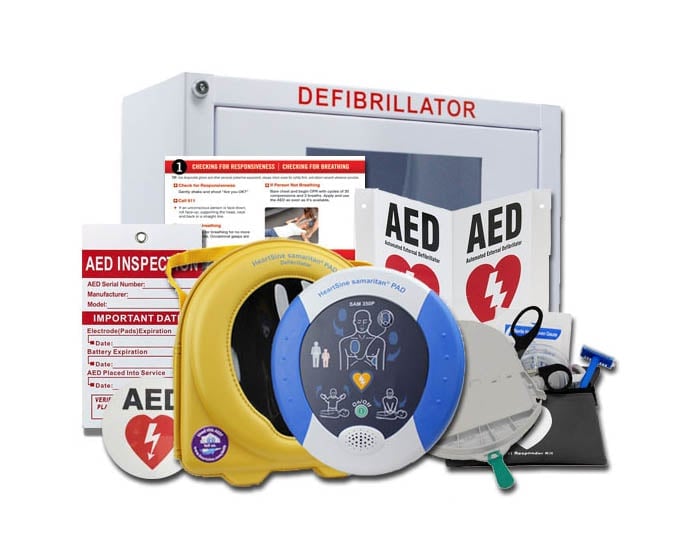
HeartSine Samaritan 350P AED Package
Compact, fully-automatic AED designed for first-time responders. Pads, battery, carry case and wall sign included.
Using an AED on a person with jewelry or piercings.
If the cardiac arrest victim has metal jewelry or piercings on their chest, use the AED right away. If you can’t remove them quickly, don’t wait. Time is key, apply the pads quickly. Adjust their position a bit to keep them off the metal. This helps lower the chance of minor burns.
Should you remove a bra before using an AED?
For the AED to function effectively, pads must be applied directly to bare skin with no clothing in the way. If the person is wearing a bra, it should be removed or cut to allow clear access to the chest. To uphold dignity, bystanders can look away or create a visual barrier during the process.
Using an AED on a pregnant woman: what you should know.
The American Heart Association says to use an AED on pregnant women in cardiac arrest. Pad placement remains the same as with any adult patient. Quickly restoring the mother’s heartbeat is crucial for her and the baby’s safety. The device will deliver a shock only when it detects that it’s necessary.
AED Pad Placement for Overweight or Obese Patients
When using an AED on a person with obesity or a larger body size, make sure the pads touch the skin firmly. This helps with accurate rhythm detection and effective shocks. Extra tissue can block the connection. So, placing it correctly and ensuring strong adhesion are vital for successful defibrillation.
- Press the AED pads firmly onto the skin to ensure the conductive gel fully adheres. Good contact is key. It helps the device read the heart’s rhythm correctly. Then, it can deliver an effective shock.
- If the AED can’t read the heart rhythm, move the pads. Put one on the chest and the other between the shoulder blades on the back. This front-to-back setup helps the current pass more effectively through larger body tissue.
Knowing these AED tips for larger patients leads to faster, better shock delivery. This greatly boosts the chances of a successful outcome in an emergency.
Be Prepared: AED Safety and Quick-Response Tips
Certain circumstances may need slight adjustments when using an AED. With a little prep and awareness, the device can still be used to save lives in almost any situation.
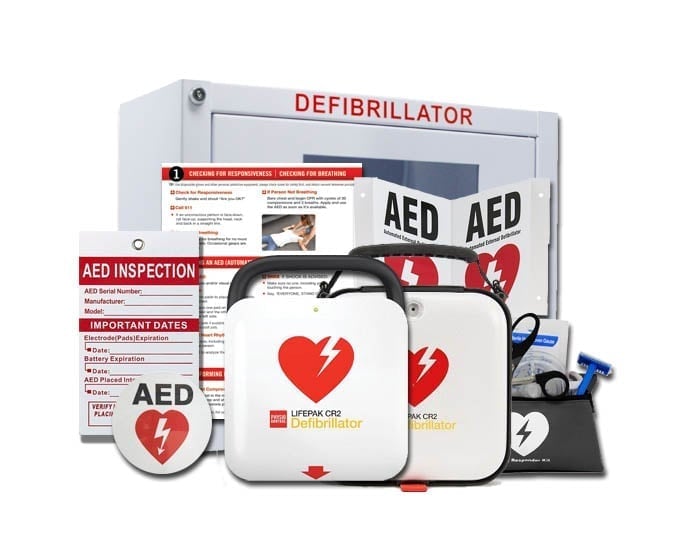
Stock your AED with key accessories. Include pediatric pads, a key, a razor, scissors, and gloves. This way, you’ll be ready for any emergency. Having the right gear helps you respond quickly and confidently. This action could save a life.
FAQs
What are some special considerations when using an AED?
Special considerations when using an AED include factors such as water, metal surfaces, pacemakers, medication patches, and excessive chest hair. Keep the chest dry. Don’t place pads over implanted devices. Remove any patches or obstructions. This helps ensure proper pad contact and safe shock delivery.
Can you use an AED on a person with a pacemaker?
Yes, you can use an AED on someone with a pacemaker or implanted defibrillator. Yet, you must not place the AED pad directly over the device. Place the pad just below or beside the implant. This way, the shock can reach the heart well and won’t harm the pacemaker.
What are the contraindications for AED use?
There are very few true contraindications for AED use. An AED should not be used if the person is conscious, has a pulse, or is breathing normally. The AED is safe to use in wet places and with medical implants. Just remember to take proper precautions.
What are the special considerations when using an AED on children?
For a child under eight, turn on pediatric mode or use child pads if you have them. If neither is available, you can use standard adult pads. Place one on the chest and one on the back. This prevents overlap and helps deliver an effective shock.
An AED should be used when?
Use an AED if someone is unconscious, not breathing, and has no pulse. This shows signs of sudden cardiac arrest. Use it as soon as you call emergency services. Getting help quickly with defibrillation can greatly improve survival rates.
Not sure which AED or training fits your needs?
An MDSI medical-oversight expert walks you through it — no obligation.
Talk to an expert →Conclusion
Using an AED properly can mean life or death in a cardiac emergency. There are special considerations for safe and effective use. These include water, metal surfaces, pacemakers, and child patients. Understanding how to adapt in these situations is key. Every second matters. Confident, informed action with an AED can save lives when it counts.