

- Published
What Is a Manual Defibrillator? A Complete Guide for Beginners
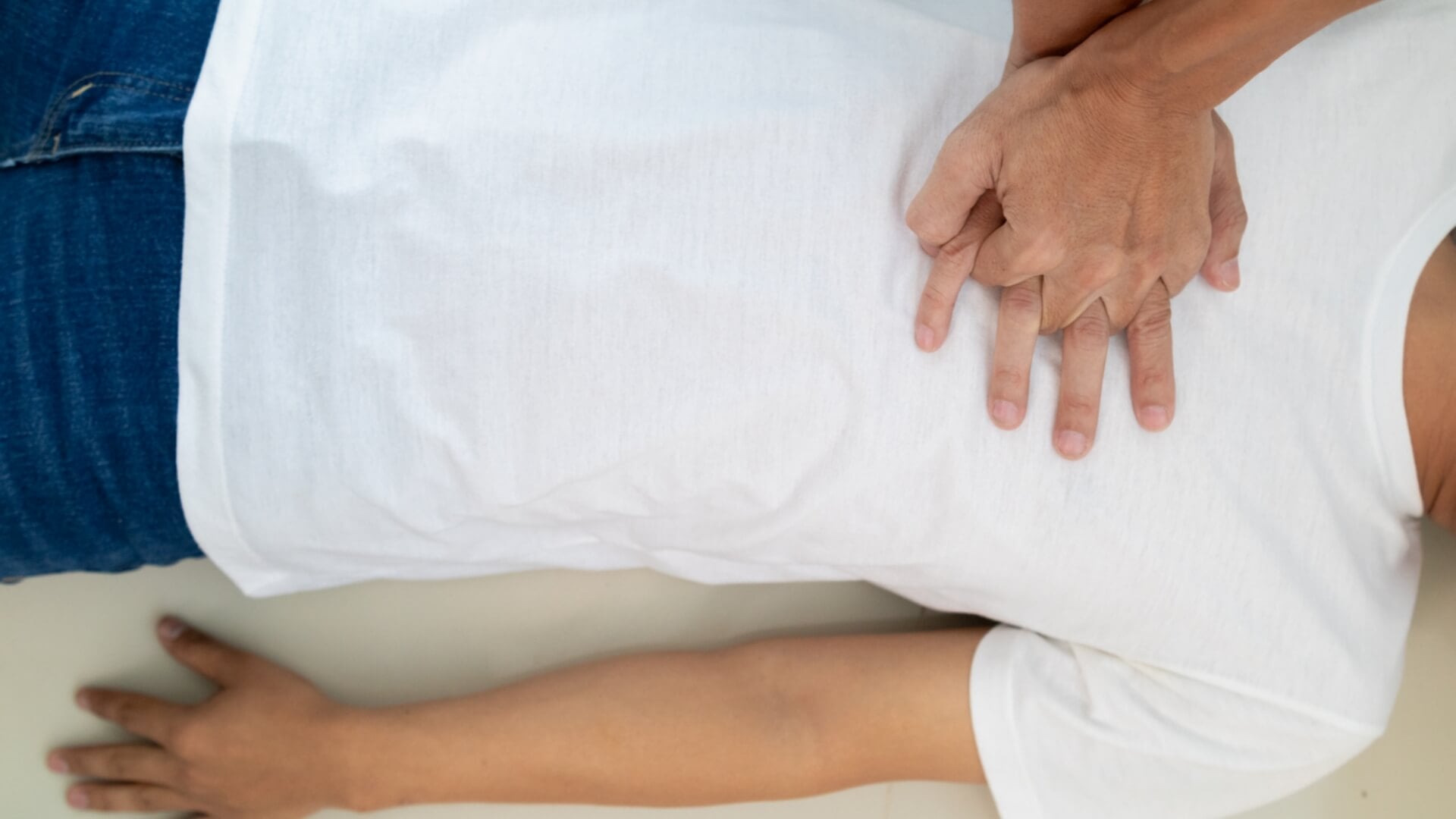
A manual defibrillator differs greatly from an AED. The AED is designed for public use and provides simple voice prompts. Manual units need clinical training. You must interpret heart rhythms and choose the right settings. Knowing how these devices work gives us a better view of advanced emergency care. It also shows why AEDs are crucial for everyday responders. Knowing how to use an AED can boost your confidence during a sudden cardiac arrest. Quick action can make the difference between life and death.
How a manual defibrillator works.
A manual defibrillator works like an AED. It gives a controlled shock to help restore a normal heartbeat during sudden cardiac arrest. When the heart’s electrical system fails, it can’t pump blood well. This puts the brain and other organs at risk right away. Fast defibrillation can be the key to survival. Every second matters in these situations.
Giving a defibrillation shock right after cardiac arrest boosts the chances of getting a heartbeat again. This is even better when combined with ongoing chest compressions. The goal is to stop dangerous heart rhythms. This lets the heart’s natural pacemaker take control again. You can use either a manual or automated device to do this. This method works best for ventricular fibrillation and pulseless ventricular tachycardia. Yet, it can’t treat asystole or pulseless electrical activity. In these cases, there is no useful electrical signal for the shock to reset.
Differences between manual and automatic defibrillators.
A manual defibrillator allows trained medical providers to control the energy delivered. They need to select and adjust the shock level on their own. Unlike an AED, this device doesn’t analyze heart rhythm on its own. Its safe and effective use relies completely on the operator’s clinical judgment.
Manual defibrillators need the operator to choose the energy level. They do not have automated prompts or safety features like shock recommendations. Only clinicians with advanced cardiac life support training can safely use them. This hands-on control ensures proper use.
Manual defibrillators have different modes. Each mode meets a specific clinical need. These settings help trained professionals choose the best approach for each patient.
- Synchronized cardioversion
- External defibrillation
- Internal defibrillation
Extra capabilities of manual defibrillators
Manual defibrillators provide more control than AEDs. They also come with extra tools for advanced cardiac care. They can track vital signs with the right equipment. This includes oxygen levels, carbon dioxide, and blood pressure. These devices are very effective for procedures like cardioversion and non-invasive pacing. They play a key role in complex medical situations.
Non-Invasive Transcutaneous Pacing (NTP)
Pacing, known as non-invasive transcutaneous pacing, uses timed electrical pulses. These pulses stimulate the heart to contract. It’s often used for patients who are stable but at risk of sudden decline. This includes people waiting for heart surgery, needing a permanent pacemaker, or having a heart attack.
Cardioversion
Cardioversion is a procedure that uses a timed electrical shock. This shock goes through chest electrodes to fix an abnormal heart rhythm. It quickly restores a steady heartbeat. This helps patients with arrhythmias or fast, irregular heartbeats, such as tachycardia.
When should a manual defibrillator be used?
Manual defibrillators send tailored electrical shocks. Yet, only trained clinicians can use them. Safe use relies on a solid grasp of heart rhythms. It also requires the ability to interpret ECG readings with speed and precision.
EMS crews often use manual defibrillators once a patient is in the ambulance or at the hospital. These devices provide better control during resuscitation. They are the top choice for infants under one year old. Their precision and adjustable settings effectively manage sudden cardiac arrest in critical care.
For kids over one year old, an AED can be used for cardiac arrest by switching to the pediatric setting. Depending on the model, this might use a child key, special buttons, or smaller pediatric pads. These features help deliver a safer, lower shock level for young patients.
Advantages of manual defibrillators
Manual defibrillators are important for clinicians trained in advanced cardiac life support. They offer the precision and versatility needed to handle life-threatening heart emergencies.
A key benefit of a manual defibrillator is its ability to deliver a shock quickly to patients. This happens with minimal disruption to CPR. Clinicians can interpret ECG information faster than automated devices. This quick action helps improve a patient’s chances during a cardiac emergency.
Manual defibrillators are great for infants. They help clinicians give precise shocks. If a trained professional isn’t around, bystanders must keep doing chest compressions and rescue breaths for the baby until help arrives.
Disadvantages
Manual defibrillators do come with certain limitations that must be considered during emergencies:
- Manual defibrillators need careful clinical judgment. Using the wrong settings or misreading a heart rhythm can be risky. Only providers trained in advanced cardiac life support should operate them. An incorrect shock can quickly put a patient at greater risk.
- Manual defibrillators are designed for hospitals and ambulances, not for public use. AEDs are often needed in workplaces and public spaces. They are easy to use and essential for sudden cardiac emergencies.
AEDs and manual defibrillators can be used together.
AEDs and manual defibrillators often complement each other during a cardiac emergency. Initial responders usually start with an AED. They switch to a manual defibrillator when advanced medical personnel arrive. In some cases, both devices may be used to provide the most effective care possible.
You can usually connect the AED pads to the manual defibrillator if they are from the same brand. This lets the team continue providing care without needing to switch pads.
You can connect an AED and a manual defibrillator from different brands using a compatible adapter cable. This lets the care team monitor the heart and provide treatment while chest compressions go on.
AEDs: Best for the lay rescuer
You now understand manual defibrillators and their role in emergency care. AEDs are great for sudden cardiac arrest in public places. When medical teams arrive, they rely on manual defibrillators for advanced care.
If a person collapses and is unresponsive, call for an AED and reach out to emergency services right away. Start chest compressions right away. Those first moments are key and can greatly affect the person’s chances of survival.
The Defibtech Lifeline AED is made for fast, easy use. It has clear voice prompts and a simple one-button design. This helps untrained bystanders respond quickly in case of sudden cardiac arrest. Its sturdy design and long-lasting battery make it a favorite in schools, offices, gyms, and public areas. It provides essential help until emergency responders arrive.
FAQs
How is a manual defibrillator different from an AED?
A healthcare professional must operate a manual defibrillator. They set the energy level and read the heart rhythm. An AED checks the heart rhythm on its own. It gives easy prompts, which make it great for public use.
Who is allowed to use a manual defibrillator?
Only medical providers with advanced cardiac life support (ACLS) training can safely use manual defibrillators. They need this training to interpret rhythms correctly and assess patients properly.
Why are manual defibrillators used in ambulances and hospitals?
These devices provide better control and quicker ECG interpretation. They also have adjustable shock settings. They work well for advanced care in ambulances, emergency departments, and critical care units.
Can manual defibrillators be used on infants?
Yes. Manual defibrillators are best for infants under one year old. They allow clinicians to give controlled shocks that fit the child’s size and needs.
When should an AED be used instead of a manual defibrillator?
Use an AED right away in public places or when no medical professionals are around. It provides simple instructions and is designed for quick, life-saving intervention.
Can AED pads be used with a manual defibrillator?
If the devices are from the same brand, AED pads usually connect straight to a manual defibrillator. There’s no need for a replacement.
Conclusion
A manual defibrillator is key in advanced cardiac care. It gives trained medical professionals the control they need in life-threatening emergencies. AEDs let bystanders act fast in public. Manual defibrillators help clinicians provide specialized care when advanced help arrives. These devices work together as a strong response system. They greatly boost survival chances during sudden cardiac arrest. Understanding how each tool works helps you act faster, ensures safer care, and improves results when every second counts.
Disclaimer for information purposes only:
The information provided on this website is intended for general educational and informational purposes only. It is not medical advice and should not be used as a substitute for professional diagnosis, treatment, or care. Always consult a qualified healthcare or medical professional regarding any health-related questions or concerns.
While we strive to ensure the information shared is accurate and up to date, no guarantees are made regarding completeness, accuracy, or applicability to any individual situation. Use of this content is at the reader’s sole discretion and risk.
This website is part of the Response Ready family of emergency preparedness and training resources, including CPR & first aid training and compliance services, AED sales and program support, AED program management software, and medical oversight solutions provided through our affiliated platforms:
• CPR1.com
• AEDLeader.com
• AEDTotalSolution.com
• ResponseReady.com
By accessing or using this website, you agree to release, indemnify, and hold harmless the website owners, authors, contributors, and affiliated entities from any claims, losses, damages, or liabilities arising from the use or reliance on the information presented.

Dr. Ann Jarris MD, MBA, FACEP
Save Lives with the Right AED Today
Buy Trusted AEDs Today!
Get Certified in CPR and Make a Difference!
Save Lives with the Right AED Today

- Published