
- Published
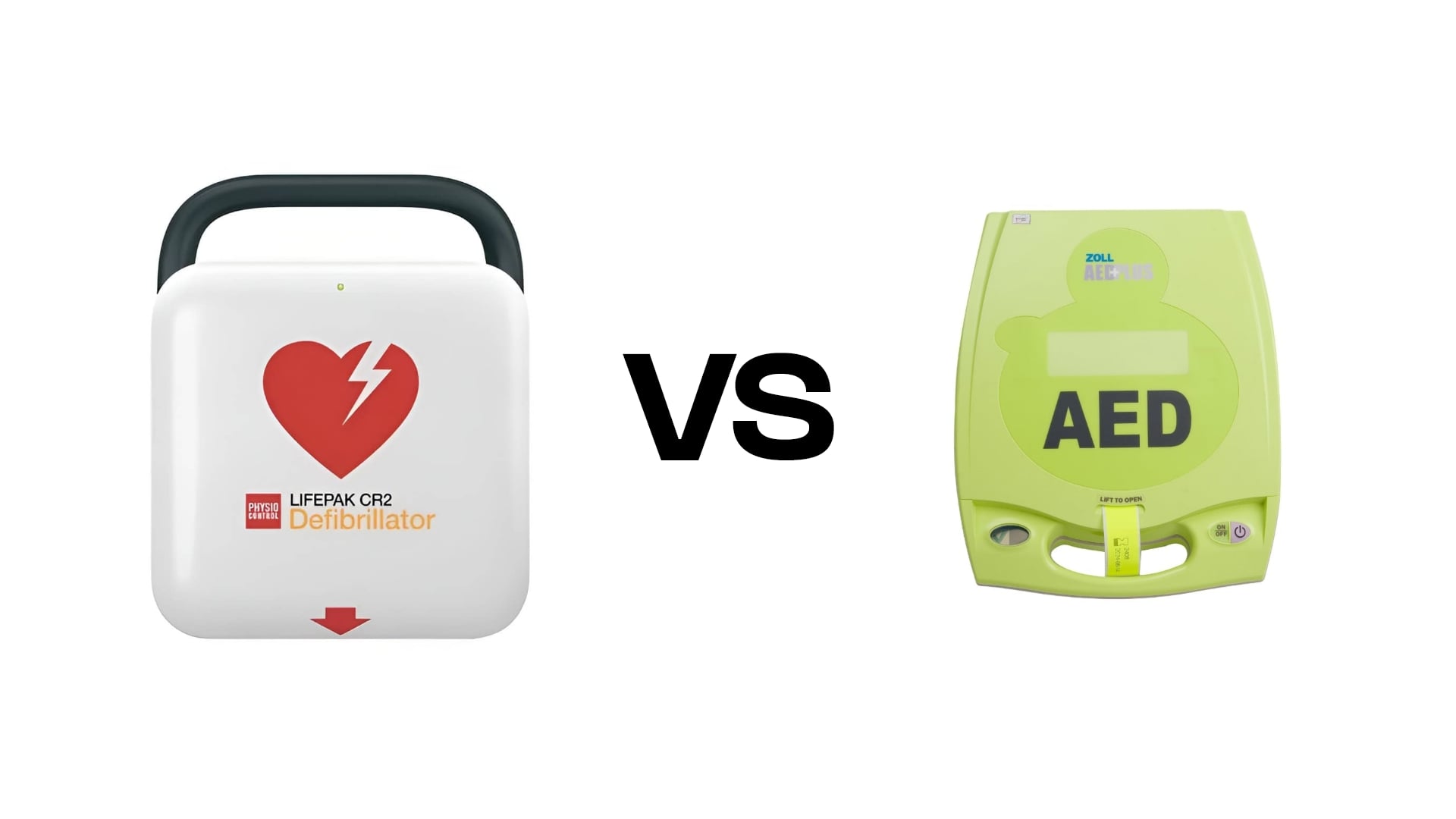
CPR vs AED: Which Training Course Should You Choose?
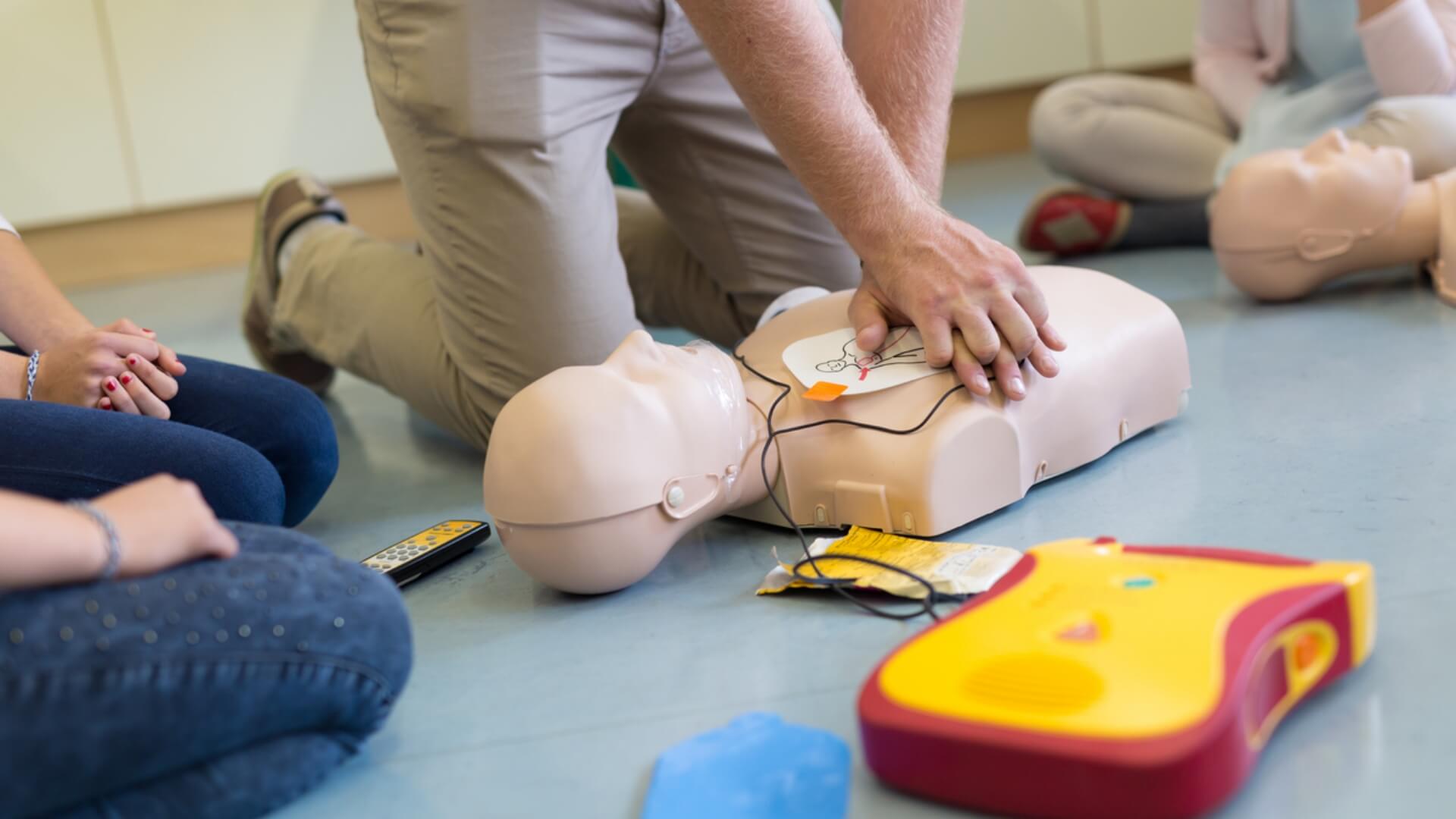
Many people confuse CPR and AED, especially when deciding on a training course. If you want CPR or First Aid certification, you’ve likely heard these terms a lot. Knowing their differences helps you decide which training fits your needs.
Learning CPR and using an AED give you vital skills. You can help someone having a cardiac emergency while waiting for medical help. Immediate action in these situations can significantly improve survival rates. This guide highlights the main differences between CPR and AED. It helps you see why both are vital in emergencies.
What is CPR?
CPR, or Cardiopulmonary Resuscitation, is a vital skill for when a person’s heart stops. Rhythmic chest compressions keep blood flowing. They ensure vital organs get oxygen until medical help arrives. Without quick help, low oxygen can lead to serious brain damage or death in minutes. Doing CPR can greatly improve a person’s chances of surviving a heart emergency.
What is an AED?
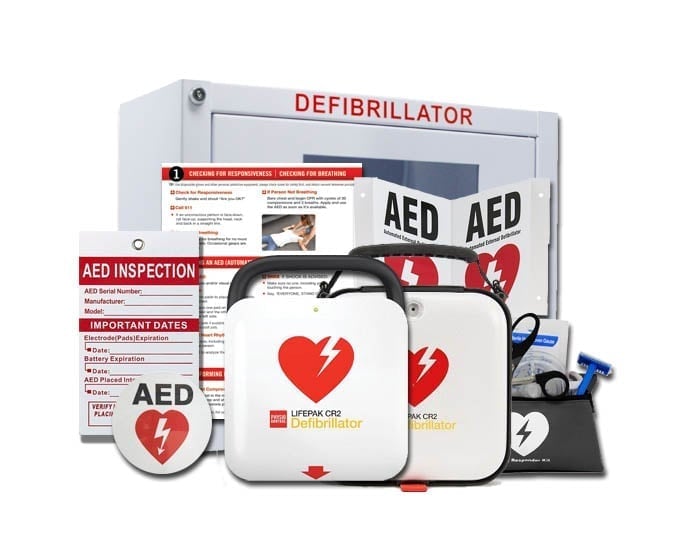
An Automated External Defibrillator (AED) is a device that can save lives. It helps restore a normal heartbeat during a cardiac emergency. It provides clear, step-by-step instructions, making it easy for anyone to use. AEDs are often found in public areas. They are vital for treating sudden cardiac arrest. They also help with irregular heart rhythms like ventricular fibrillation and tachycardia.
What’s the difference between CPR and AED training?
Knowing when to do CPR and when to use an AED in a heart emergency can save lives. A prompt and appropriate response greatly enhances the chances of survival.
CPR and AED training play a crucial role in saving lives during cardiac arrest. CPR keeps blood flowing when the heart stops. An AED can help restart the heart’s normal rhythm. The American Heart Association says using both methods can almost double survival rates. This makes them vital for emergency response.
CPR and AED: Which One Should You Be Trained In?
CPR and AED training are crucial in emergencies. They work together to boost survival rates. CPR maintains blood circulation, while an AED restores the heart’s rhythm. Getting certified in both helps emergency response. It ensures quick and effective action when time is critical.
- CPR: To ensure oxygen continues to circulate until advanced medical care is available.
- AED: To restore a normal heart rhythm using controlled electrical shocks.
CPR uses chest compressions to keep blood flowing. AEDs give spoken instructions to help restore heart rhythm. Although AEDs are easy to use, proper training enhances effectiveness in emergencies. Using CPR with an AED significantly increases survival rates. Effective training boosts confidence in emergencies, allowing quick action when it matters.
Are CPR and AED equally necessary for all healthcare roles?
The level of CPR and AED training varies across healthcare roles. First responders and critical care professionals often deal with cardiac emergencies. They need advanced training for this. Yet, administrative staff typically need only basic certification. Many healthcare facilities need basic training for all employees. This helps them be ready for emergencies.
Can improper use of an AED cause harm?
Using an AED incorrectly can lead to problems. For example, placing the pads wrong or using it on someone with a pulse can complicate things. Yet, modern AEDs include safety features and clear instructions to reduce errors. With proper training and following guidelines, the risk is low. This makes these devices very effective in emergencies.
Are there legal protections for AED users?
Good Samaritan laws protect people who use an AED in emergencies. They shield users from liability if they act reasonably and follow the right steps. These laws encourage bystanders to help without fear of legal consequences. Training programs also cover legal aspects, ensuring users understand their rights and responsibilities.
CPR and AED training
Online courses offer CPR and AED certification. They give people life-saving skills for heart emergencies. Combining CPR with an AED significantly improves survival rates until medical help arrives. Many online training programs now combine AED instruction with standard CPR techniques. This offers a complete learning experience.
CPR and AED are key in heart emergencies. They work together to boost survival rates. Proper training ensures quick, effective action when every second counts.
Knowing why CPR and AED are important in first aid training helps you pick the right course. Certification gives you the skills and confidence to handle emergencies. It can even help you save lives.
When to Give CPR and When to Use an AED
Being trained in CPR and AED use is essential for emergency situations. If someone collapses and can’t respond, call 911 right away. Start CPR and use an AED to help get their heartbeat back.
When to Give CPR
When someone’s breathing or heartbeat stops, performing CPR right away is essential. It pumps blood to vital organs and sends oxygen to the lungs until help arrives. CPR, even if performed with mistakes, can boost survival chances. So, any effort is better than none.
Recognizing when to begin CPR is vital in an emergency. You should perform it if a person is unresponsive, not breathing, or their heart has stopped.
- The person is unresponsive.
- The person’s heart has stopped beating.
- The person is not breathing.
Gasping or snorting while trying to breathe can mean agonal breathing. This is a serious medical emergency that needs immediate help.
When to Use an AED
An Automated External Defibrillator (AED) gives a shock to the heart. This helps bring back its normal rhythm during sudden cardiac arrest.
Here are the key essentials for using an AED effectively:
- The AED checks the heart rhythm. It delivers a shock only if it finds a dangerous arrhythmia. This way, it only activates when needed.
- Anyone, including you, can use an AED in an emergency with confidence.
- The AED offers clear audio and visual guidance to assist you during use.
- An AED is the best way to restore the heart’s rhythm during sudden cardiac arrest.
FAQs
What is a CPR machine, and how does it work?
A CPR machine gives automated chest compressions. It offers steady and effective help for someone in cardiac arrest. It helps maintain circulation and increases survival chances until medical help arrives.
Why is AED certification important?
AED certification teaches people how to use an Automated External Defibrillator. They learn to spot cardiac arrest. They place electrode pads and deliver a shock to save a life when needed.
What do CPR and AED training include?
CPR AED training teaches key skills. You will learn chest compressions, rescue breaths, and the correct use of an AED. It prepares individuals to respond with competence and safety in emergencies.
How do I become AED certified?
To earn AED certification, you must complete a recognized training course. This course includes practical exercises and teaches CPR and AED use. This way, you’ll be ready for real emergencies.
What is AED certification, and who needs it?
Having AED certification means you can use an Automated External Defibrillator in emergencies. This training is important for healthcare workers, first responders, and anyone who wants to save lives.
Can anyone use a CPR machine or AED without training?
Modern CPR machines and AEDs give clear instructions. Yet, taking an AED course helps you respond with greater speed and effectiveness. Certification boosts confidence and enhances the ability to save lives in emergencies.
Conclusion
CPR machines and AED certification play a vital role in saving lives. Training gives people the skills to act fast in emergencies. This boosts survival rates. Getting AED certified gives you the confidence and readiness to act when it counts.
Disclaimer for information purposes only:
The information provided on this website is intended for general educational and informational purposes only. It is not medical advice and should not be used as a substitute for professional diagnosis, treatment, or care. Always consult a qualified healthcare or medical professional regarding any health-related questions or concerns.
While we strive to ensure the information shared is accurate and up to date, no guarantees are made regarding completeness, accuracy, or applicability to any individual situation. Use of this content is at the reader’s sole discretion and risk.
This website is part of the Response Ready family of emergency preparedness and training resources, including CPR & first aid training and compliance services, AED sales and program support, AED program management software, and medical oversight solutions provided through our affiliated platforms:
• CPR1.com
• AEDLeader.com
• AEDTotalSolution.com
• ResponseReady.com
By accessing or using this website, you agree to release, indemnify, and hold harmless the website owners, authors, contributors, and affiliated entities from any claims, losses, damages, or liabilities arising from the use or reliance on the information presented.

Dr. Ann Jarris MD, MBA, FACEP
Save Lives with the Right AED Today
Buy Trusted AEDs Today!
Get Certified in CPR and Make a Difference!
Save Lives with the Right AED Today

- Published