
ICDs and pacemakers are implanted devices for managing abnormal heart rhythms. Yet, they work in different ways. Each helps keep a steady heartbeat, but their roles change based on the heart condition. Pacemakers manage slow heart rates. ICDs can spot fast rhythms and deliver a shock if necessary. Understanding how these devices work helps patients grasp their treatment. It also prepares them for life with their device.
How your heart’s natural pacemaker keeps the rhythm
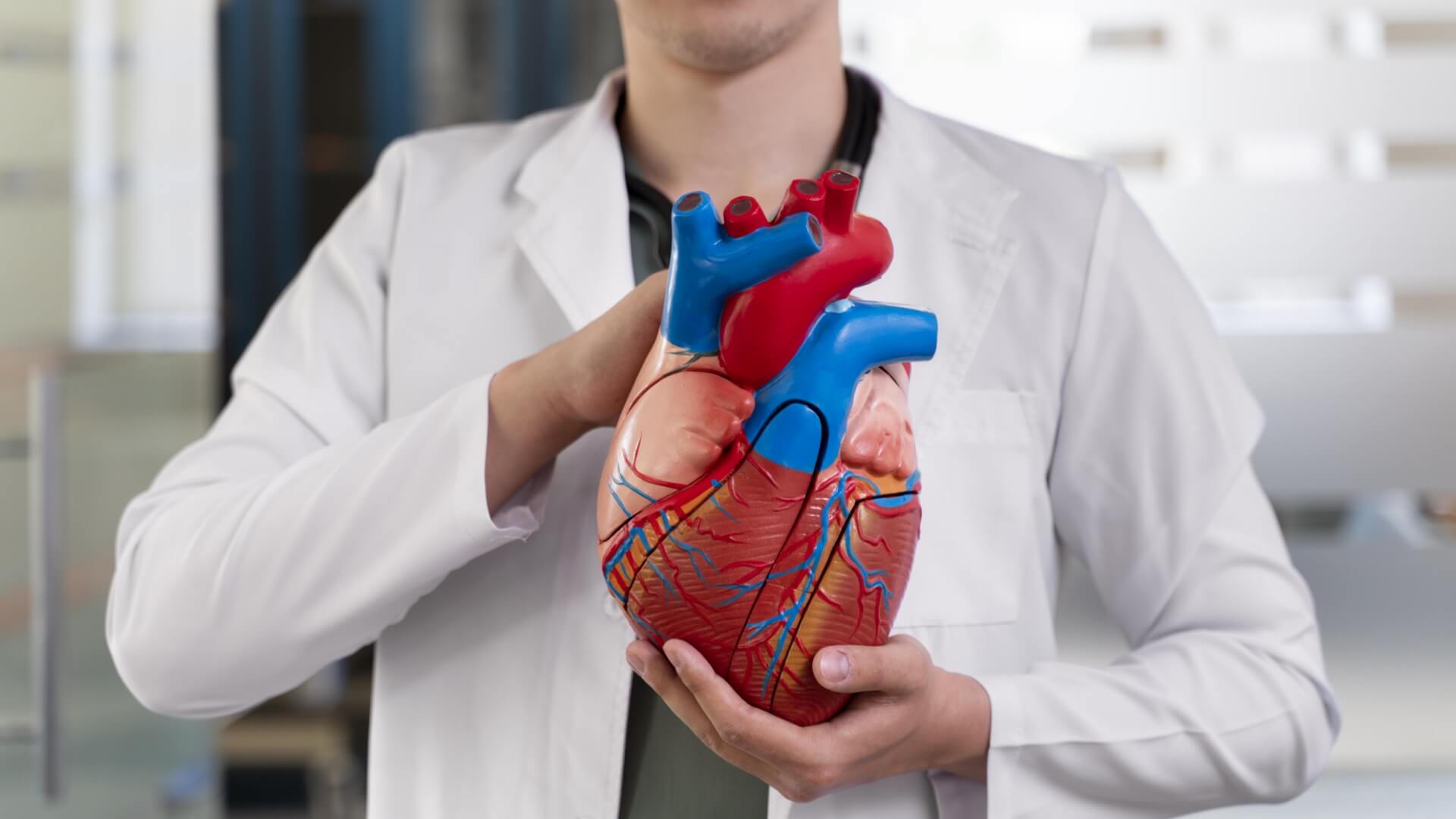
The heart has a built-in pacemaker called the sinoatrial (SA) node. It is in the upper right chamber. This group of cells makes electrical signals. These signals start each heartbeat by following a set path in the heart. Disrupting this process can cause arrhythmias. These irregular rhythms make the heart beat too fast, too slow, or unevenly.
Some heart conditions can block signals in the heart’s electrical pathways. This can stop signals from moving properly. This disruption can cause arrhythmias. The heart may beat irregularly, too fast, or too slow.
Get certified in CPR
CPR & AED Training
3-hour in-person training with a 2-year nationally recognized certification.
CPR, AED & First Aid Certification
Instructor-led on-site. Practice on real manikins and AED trainers.
Damage to the heart from heart disease or a heart attack.
- heart surgery complications
- long-standing, uncontrolled high blood pressure or coronary artery disease
- a lack of coronary artery blood flow, depriving heart tissue
- cardiomyopathy distorts the heart’s structure
- sarcoidosis
- metabolic problems, such as hypothyroidism
- Side effects of certain medications.
- illicit and street drugs, such as cocaine.
What is an artificial pacemaker?
An artificial pacemaker is a small device powered by a battery. It sends electrical signals to the heart if its natural rhythm is off. It kicks in when the heart’s natural rhythm fails. This helps keep a steady beat during rest and activity. As a result, blood flows efficiently throughout the body.
How do artificial pacemakers work?
An artificial pacemaker consists of a generator and thin wires called leads. The generator sits under the skin in the chest. It sends electrical impulses through the leads to the heart. These impulses are timed to mimic the natural rhythm of a healthy SA node. This helps the heart beat steadily.
Modern pacemakers sense the heart’s natural rhythm. They provide electrical impulses only when needed. This helps prevent extra stimulation. It also supports the heart’s natural rhythm when it works well.
- A heartbeat that is too slow and irregular.
- A heartbeat that is sometimes normal and sometimes too fast or too slow.
Types of Pacemakers
Doctors surgically implant internal pacemakers to help control certain heart rhythm problems.
- Patients with severe heart damage from a heart attack may need help to keep a steady heart rhythm.
- People with heart defects, whether from birth or later in life, may have slow or uneven heartbeats. This may need medical help to fix the heartbeats.
Patients with heart failure may sometimes need temporary pacing support. External pacemakers are external devices that are not implanted through surgery. They offer short-term support for people waiting for a permanent device. They also help with temporary arrhythmias from other health issues.
- Some patients who have had a heart attack
- Patients with chest or cardiac trauma
- Infections (Lyme disease or bacterial endocarditis), sepsis, etc.
A slow heart rate can happen for several reasons. These include electrolyte imbalances, metabolic problems, and certain medications like beta-blockers. Hypothermia can also cause this issue. In these cases, doctors may need to use temporary pacing to stabilize the heart rhythm.
Leadless pacemakers are tiny, capsule-shaped devices. They sit on the left ventricle of the heart. They are about 90% smaller than traditional pacemakers. This means they have fewer risks. Plus, they leave no visible scar or bulge under the skin. They offer a less invasive choice, but limited access exists. Only one model has FDA approval.
Risks
Artificial pacemakers have helped many people with arrhythmias for years. Yet, they do come with some risks. These include malfunction, infection, or blood clots. Still, ongoing advancements have made them much safer and more reliable. This allows most patients to lead healthy, active lives.
RECOMMENDED
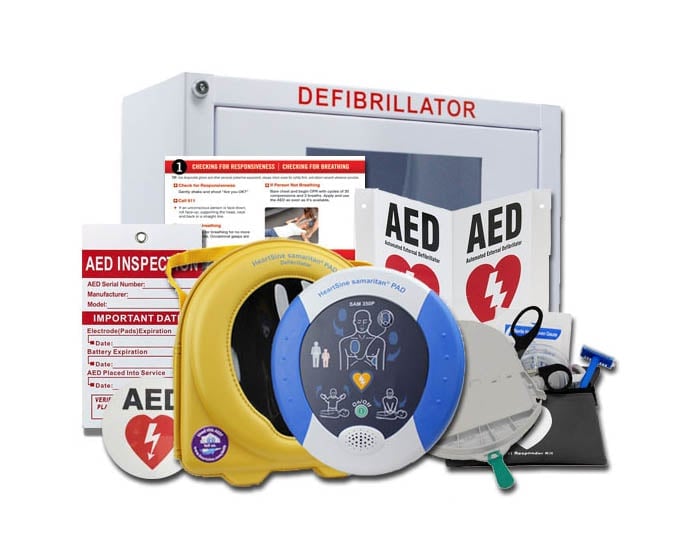
HeartSine Samaritan 350P AED Package
Compact, fully-automatic AED designed for first-time responders. Pads, battery, carry case and wall sign included.
What is an ICD?
An implantable cardioverter-defibrillator (ICD) is a battery-powered device. It helps people who are at high risk of sudden cardiac arrest or severe arrhythmias. It constantly checks the heart’s rhythm. If it finds a dangerous irregularity, it delivers an internal electric shock. It works like an external defibrillator. Yet, it’s automatic and doesn’t need outside help.
How do ICDs work?
Many modern ICDs act as pacemakers. They track heart rate and deliver small pulses to keep a steady rhythm.
ICDs give stronger shocks when the heart beats irregularly. They work when regular pacemaker pulses can’t fix the problem. They are usually used for life-threatening arrhythmias that surgery can’t fix. Designers create these devices for each patient’s needs. They can provide varying energy levels depending on how severe the issue is.
- Low-energy pacing: If your ICD finds a slight heartbeat irregularity, it might use low-energy pacing. This gentle correction is often unnoticeable or may feel like a faint flutter in the chest.
- A higher energy shock: In cases of severe arrhythmias, an ICD delivers a high-energy shock to restore a normal rhythm. This can be painful and is often described as feeling like a sudden jolt or kick to the chest. Yet, the sensation lasts only a moment, with no lingering discomfort once the shock is over.
Some newer ICD models can track your heart rate. This helps doctors learn more about your condition. They can then adjust your treatment if needed.
- How well your medications are working
- Whether any adjustments need to be made to the ICDs’ programming
An ICD might be suggested when there’s a high risk of serious heart rhythms or sudden cardiac arrest:
- Ventricular arrhythmia
- Surviving Sudden Cardiac Arrest or Heart Attack
- Long QT syndrome
- Congenital heart disease
- Brugada syndrome
- Other underlying conditions that may cause Sudden Cardiac Arrest
Types of ICDs
Mayo Clinic highlights two main types of ICDs. Each type is made for a heart need.
- Traditional ICD They place this type in the chest. It has wires that connect to the heart without any intermediary. The doctors need to perform invasive surgery for implantation.
- Subcutaneous ICD (S-ICD) A doctor puts an S-ICD under the skin on the chest side, below the armpit. It connects to an electrode along the breastbone. Not possible to remove the adverb.
Risks
Stronger shocks from an ICD can hurt, but they only last a moment. This shows the device is working to protect your heart. ICDs have some risks, like pacemakers. The main problems include device failures, infections at the implant site, and lead damage to blood vessels. The discomfort is brief.
Living with an ICD can feel overwhelming, especially after a heart event. Yet, studies show these devices can improve the quality of life and help extend survival.
ICD vs. Pacemaker: Similarities and Differences
Doctors implant ICDs and pacemakers to help manage abnormal heart rhythms. Pacemakers send gentle electrical pulses to keep the heartbeat steady. ICDs check for dangerous rhythms and can deliver shocks when needed. This gives them a higher level of protection.
Implantation Procedures
Getting a pacemaker or ICD requires surgery. This may need sedation or general anesthesia. After surgery, you will likely need to stay overnight. This allows your care team to set up the device and check that it works well. You will also need someone to drive you home when they discharge you.
After surgery, your doctor will tell you which activities are safe. They will also guide you on how to care for your device as time goes on.
Pacemaker Implantation
The Mayo Clinic explains that during pacemaker surgery, doctors run wires through a vein by the collarbone. They then guide these wires to the heart. One end goes inside the heart. The other end connects to a pulse generator placed under the skin near the collarbone.
A leadless pacemaker is less invasive. It only requires placing one capsule. The surgeon accesses a vein in the groin and guides the device to its position in the heart. External pacemakers are non-surgical devices that serve a temporary function.
ICD Implantation
Implanting an ICD usually takes a few hours. It is like putting in a pacemaker. Leads attach to the heart and connect to a generator. Then, doctors implant the generator under the collarbone.
Once the care team implants the ICD, they will test and program it to match your heart’s specific needs. This might mean raising your heart rate for a short time. Then, use the device to get a normal rhythm back.
Maintenance and Battery Life Expectancy
Pacemakers and ICDs can send data to your doctor from afar. They use wireless tech or phone connections. Depending on the device, your care team may check its performance in person or digitally. Regular follow-ups help you track your battery, device function, and heart condition changes.
Pacemaker batteries usually last 5 to 15 years. ICDs, which use lithium batteries, last around 5 to 7 years. Replacing the battery in either device involves a minor surgical procedure.
Interferences
Every day, electronics and magnets can disrupt pacemakers or ICDs. This can lead to health risks. The American Heart Association helps by listing devices to avoid for safety.
FAQs
What’s the difference between a defibrillator and a pacemaker?
A pacemaker uses low-energy electrical pulses to fix slow or irregular heartbeats. In contrast, a defibrillator (ICD) checks for dangerous heart rhythms. It delivers high-energy shocks to bring the heart back to normal. Though both devices support heart rhythm, their purposes and responses are different.
Is a defibrillator the same as a pacemaker?
No, a defibrillator is not the same as a pacemaker. An ICD functions like a pacemaker. Yet, it primarily identifies and corrects dangerous arrhythmias by delivering a shock. A pacemaker sends small pulses to keep a steady heartbeat.
What does PPM mean in medical terms?
PPM is the medical abbreviation for “permanent pacemaker.” It is a device placed in the body to help control chronic heart rhythm problems. This is especially useful for patients with slow or irregular heartbeats.
When should you place a magnet over a pacemaker or ICD?
Placing a magnet over a pacemaker or ICD should only be done under medical guidance. It can briefly disable some functions, such as halting shock delivery from an ICD. This is often used in specific procedures or emergencies.
What happens if a pacemaker or defibrillator is exposed to electronics or magnets?
Strong magnets and electronic devices can mess with pacemakers and ICDs. This can disrupt how they work. Follow safety guidelines. Avoid close contact with items to keep the devices working well.

Not sure which AED or training fits your needs?
An MDSI medical-oversight expert walks you through it — no obligation.
Talk to an expert →Conclusion
It’s important to understand how a pacemaker differs from a defibrillator. This knowledge is key for anyone in heart rhythm care or research. Both devices help the heart but have different roles. Pacemakers control slow or irregular beats. Defibrillators deliver life-saving shocks for dangerous arrhythmias. These devices improve lives and protect at-risk patients as technology and care grow. Always talk to your healthcare provider to decide on the best option for your heart health.