
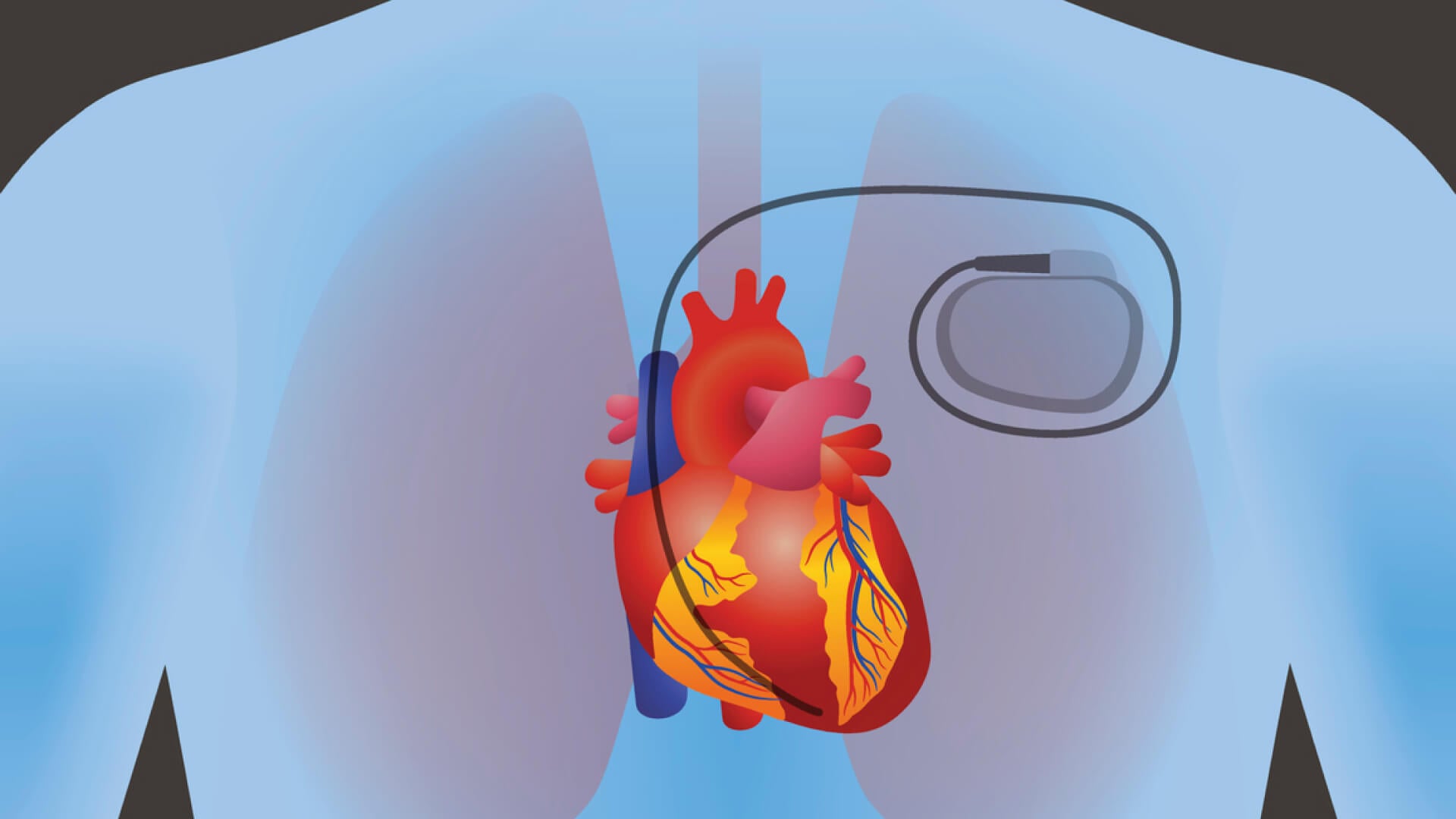
Pacemakers and ICDs are small devices placed in the upper chest. They help the heart function properly. A pacemaker and a defibrillator both aid heartbeats, but they have different jobs. A pacemaker keeps a steady rhythm. In contrast, a defibrillator fixes dangerous irregularities when they happen.
A pacemaker keeps the heart’s rhythm steady. It ensures the heart beats at a healthy rate. An implantable cardioverter-defibrillator (ICD) is different. It turns on only when it finds dangerous heart rhythms, like ventricular fibrillation or tachycardia. It then gives an electric shock, either mild or strong, to help the heart return to normal.
If you have heart problems, know that a defibrillator and a pacemaker are different. Understanding the difference helps you make better choices. It also boosts your confidence when talking to your doctor about treatment options.
Similarities between defibrillators and pacemakers
Pacemakers and implantable cardioverter-defibrillators are compact, battery-powered devices designed to support heart function. Powered by sealed lithium batteries, they contain intricate internal circuits, leads, and electrodes. Both have different functions, but they share key components. Together, they help keep heart rhythms healthy.
- Besides leadless pacemakers, both devices use leads. These leads are guided through a blood vessel to reach the heart.
- Both devices are typically implanted with minor surgery and local anesthesia. After the procedure, recovery takes a few days to a couple of weeks.
- Both devices can increase life expectancy. They also enhance the quality of life for eligible patients.
- While both involve surgical and device-related risks, serious complications are uncommon.
Get certified in CPR
CPR & AED Training
3-hour in-person training with a 2-year nationally recognized certification.
CPR, AED & First Aid Certification
Instructor-led on-site. Practice on real manikins and AED trainers.
Key Differences Between a Defibrillator vs. Pacemaker
How They Work
Implantable defibrillators work like external ones. They give a quick electric shock when they sense a dangerous heart rhythm. This helps the heart reset and get back to a normal beat.
An implantable defibrillator goes inside the body. It tracks heart activity all the time. If it detects dangerous rhythms, it reacts quickly. It can provide a shock faster than an external defibrillator.
- An implantable defibrillator is always on. It can deliver a life-saving shock whenever needed.
- An ICD helps prevent sudden cardiac death. It automatically delivers a shock when necessary. This happens without any external action or setup.
- Many implantable cardioverter-defibrillators are also designed to perform the role of a pacemaker.
A pacemaker works differently from an ICD. It sends gentle electrical impulses to fix a slow heartbeat, called bradycardia. This helps the heart keep a steady rhythm.
Some implantable defibrillators blend pacing and shock therapy. One device can manage slow heartbeats and correct dangerous rhythms as needed.
Relevant Heart Conditions
Doctors often recommend implantable cardioverter-defibrillators for patients who are at high risk of serious heart rhythm problems.
- Have survived a sudden cardiac arrest
- Suffer from heart failure, especially heart failure that is getting worse
- Suffer from cardiomyopathy
- They are awaiting a heart transplant
- Have irregular heartbeats due to a structural issue
- Developed an abnormal heartbeat after suffering a heart attack
Pacemakers are often suggested for those with slow or irregular heartbeats. They help the heart keep a steady and healthy rhythm.
- Have congenital heart defects (structural problems with the heart)
- Have specific types of muscular dystrophy
- Have arrhythmias
Both devices help fix issues in the heart’s electrical system. They keep the heart’s rhythm stable and healthy.
Primary risks associated with ICDs and pacemakers
The main risks of receiving a pacemaker or ICD come from the implantation procedure. Though mild bruising or swelling is common, other surgical complications can occasionally occur.
- Blood clots
- Damage to a blood vessel or nerve
- Heart infection
- Punctured or collapsed lung
Wearable cardioverter-defibrillators are a safer choice for certain patients. They help cut down on surgical risks. These lightweight vests fit snugly under clothes. They track heart rhythms all the time. If needed, they can deliver corrective shocks automatically.
Patients with mild heart issues may benefit from having an automated external defibrillator (AED) at home. The Philips HeartStart OnSite is an excellent, easy-to-use option for such cases. Always consult your doctor to determine the most suitable device for your condition.
Types of pacemakers
Pacemakers vary in type. Each one has a different wiring design and function. They are made to meet specific heart rhythm needs.
- Single-chamber pacemaker. The lead connects to either the right atrium or right ventricle of the heart.
- Dual-chamber pacemaker. This type uses two leads, with one placed in the right atrium and the other in the right ventricle.
- Biventricular pacemaker. This version also uses two leads. They are placed in the right and left ventricles. This helps both sides of the heart beat together. It’s known as a biventricular or cardiac resynchronization therapy (CRT) pacemaker.
- Leadless pacemaker. A leadless pacemaker is a small device, about the size of a pill. It connects directly to the ventricular wall. It activates when the heart rate drops below a set level.
RECOMMENDED
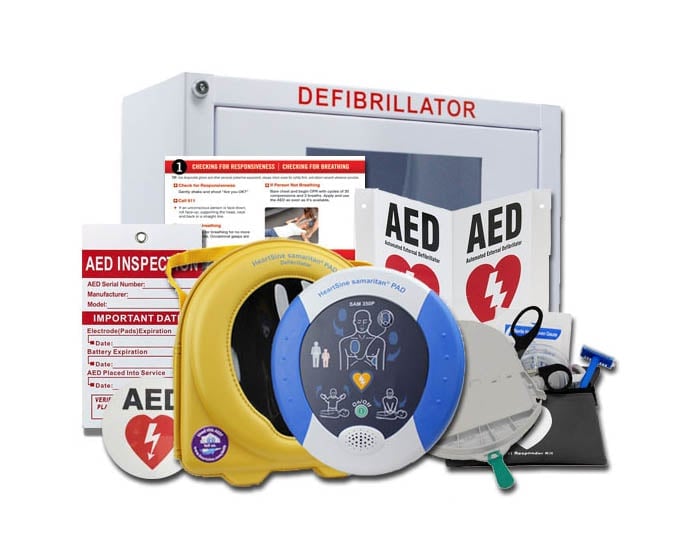
HeartSine Samaritan 350P AED Package
Compact, fully-automatic AED designed for first-time responders. Pads, battery, carry case and wall sign included.
Protecting a pacemaker or ICD.
Pacemakers and ICDs use electrical signals to work. Yet, strong magnetic fields can disrupt their function. For safety, people with these implants should stay away from certain electronic devices.
- Cell phones
- Microwaves
- High-tension electrical wires
- Electrical generators
- Power plants
- Airport security
- Metal detectors
- Strong magnets
- MRI portable trucks
Before an MRI or shockwave therapy for kidney stones, let your doctor know if you have a pacemaker or ICD. Also, mention the type of device you have. These implants are checked regularly. This confirms that they work well and that the leads are in the right place. They also record heart rhythm data when possible.
Treating sudden cardiac arrest with a pacemaker or an implantable defibrillator.
Cardiac arrest can happen even with a pacemaker or ICD. This risk increases if the device malfunctions. When helping someone in cardiac arrest, check for a small implant under the skin. It’s usually on the upper left chest. In children, it might be on the right side or abdomen. ICDs are usually slightly larger than pacemakers.
If someone collapses, call emergency services immediately. Start CPR and ask someone to get an AED. When using the pads, keep them a few inches away from any implanted device. Placing them directly over a pacemaker or ICD can stop the shock from working well.
The right device for the right purpose
If you have heart symptoms or a history of cardiac arrest or a heart attack, see your doctor right away. They can suggest the right tests and treatments. This way, you get the best care for your condition.
Treatment may involve a pacemaker, ICD, wearable defibrillator, medication, or lifestyle adjustments. The right choice can support a longer, healthier, and more active life.
FAQs
What is the difference between a pacemaker and a defibrillator?
A pacemaker keeps the heartbeat steady. It sends small electrical pulses when the heart beats too slowly. A defibrillator sends a strong shock to reset the heart’s rhythm when there’s a dangerous arrhythmia. Both are implantable devices but serve distinct purposes in heart rhythm management.
Implantable cardioverter defibrillator vs pacemaker, which is right for me?
An implantable cardioverter-defibrillator (ICD) watches the heart for dangerous rhythms. If it detects one, it gives a shock to correct the problem. A pacemaker is used mainly for slow or irregular heartbeats. The best choice depends on your heart condition. Your cardiologist can help you find the device that offers the best protection.
Cardiac life vest vs pacemaker, how are they different?
A cardiac life vest, or wearable defibrillator, is worn outside the body. It offers temporary protection for patients who might face sudden cardiac arrest. A pacemaker is placed under the skin. It helps control slow heart rhythms. The life vest is usually a short-term solution until a permanent device is implanted.
What is a pacemaker vest, and how does it work?
A pacemaker vest, or cardiac life vest, is a wearable device. It tracks heart rhythms and gives shocks if it finds any abnormal ones. It’s for patients who need protection but aren’t ready for a pacemaker or defibrillator.
Can you wear a heated vest with a pacemaker?
It’s usually safe to wear a heated vest with a pacemaker. Use battery-powered heating elements and avoid strong electromagnetic fields. Avoid vests with magnetic fasteners or wireless charging parts. Always check with your cardiologist or device maker before using them.

Not sure which AED or training fits your needs?
An MDSI medical-oversight expert walks you through it — no obligation.
Talk to an expert →Conclusion
It’s important to understand how a pacemaker, defibrillator, and cardiac life vest differ. This knowledge helps anyone managing a heart condition. Each device has a special job. Some keep your heartbeat steady. Others help restore it during risky arrhythmias. Your doctor can help you pick the best choice for your heart health. This could be an implantable device or a wearable one. With the right treatment and ongoing care, you can lead a longer, more active, and confident life.