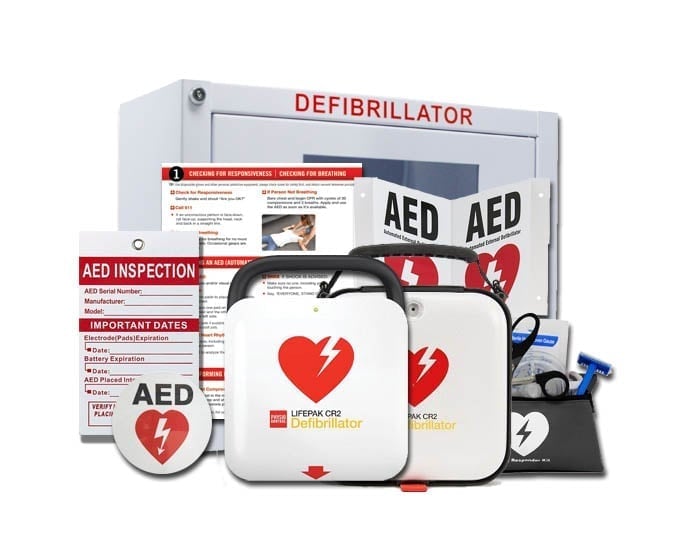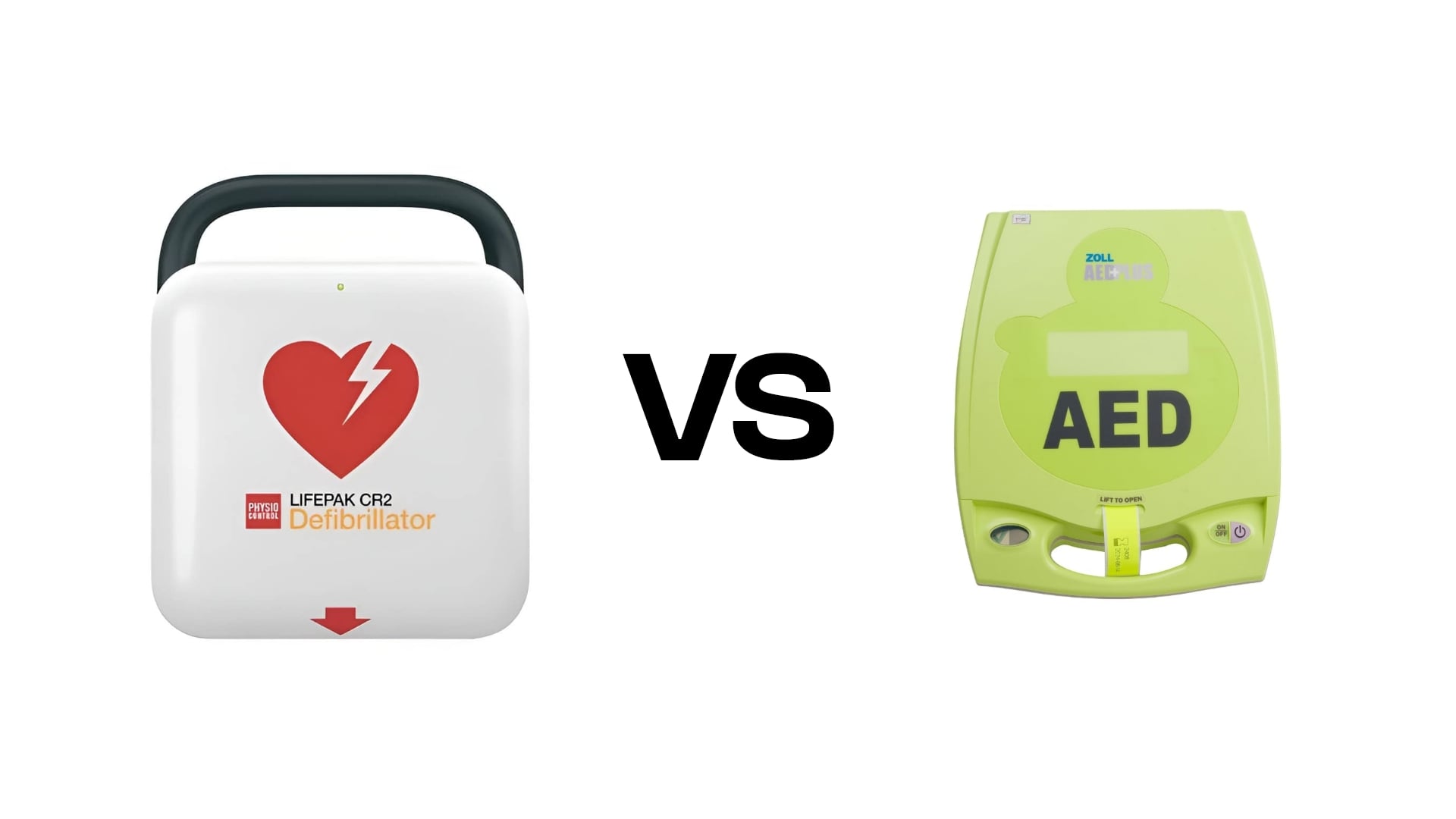

Anyone can use an automated external defibrillator (AED). They are made for everyday people, not doctors or emergency responders. Modern AEDs provide clear voice instructions to guide users. This allows non-professionals to operate them safely. This ties in with growing awareness and demand, as shown in the Automated External Defibrillator Market (2024–2030) report. This raises a common question: Can anyone buy an AED, or is it only for medical professionals?
These life-saving devices can be used by people or organizations. Make sure to buy and keep them up to local rules. In most cases, some basic requirements must be met for ownership to be fully compliant.
- A physician’s prescription for your AED device
- Medical oversight and direction
- AED registration through your state or jurisdiction.
- Ongoing AED maintenance is under state and federal law.
It might seem overwhelming at first. But once everything is explained, the process is much simpler than it appears.
An AED unit requires a prescription.
AEDs are medical devices, so the FDA has strict rules for their sale and use. Most buyers need a doctor’s prescription to complete the sale. Also, each unit must have its own authorization. The Philips HeartStart OnSite is a key exception. It is the only AED available for personal use at home without needing a prescription. Yet, any use in a workplace or organizational setting still requires physician oversight.
An AED prescription works differently from a typical medication order. It’s not about medical conditions or who can own a device. Instead, it ensures that the defibrillator is documented, labeled, and maintained properly.
You don’t need a pre-existing medical condition to get a prescription for an AED. Sudden cardiac arrest can happen unexpectedly. Having a defibrillator and the right accessories on hand can save lives. This is true at home, in the workplace, or in public places.
To get an AED prescription, talk to a licensed doctor. Tell them which model you want to buy. They can issue the necessary documentation, which you should keep on file. Many manufacturers now offer a starter prescription with the device. But this doesn’t replace the ongoing medical supervision needed in most states.
Which AEDs are subject to FDA guidelines?
Right now, only six AED makers have FDA approval to sell their defibrillators in the U.S.:
- Cardiac Defibrillators (formerly Cardiac Science), owned by ZOLL
- Defibtech
- HeartSine (owned by Stryker)
- Philips
- Physio-Control (owned by Stryker)
- ZOLL
The AEDs from these companies have passed the FDA’s strict approval process. They also meet the agency’s ongoing rules.
Don’t buy a defibrillator without FDA approval. Using an unapproved device can leave you unprotected under Good Samaritan laws. It might also lead to legal issues if someone gets hurt. To ensure safety and compliance, always choose models from approved manufacturers.
Get certified in CPR
CPR & AED Training
3-hour in-person training with a 2-year nationally recognized certification.
CPR, AED & First Aid Certification
Instructor-led on-site. Practice on real manikins and AED trainers.
An AED requires medical oversight and direction.
Most states need a doctor to oversee AED ownership. This ensures the device stays well-maintained and is safe for non-medical users. Ongoing supervision ensures quality control. It also keeps the equipment reliable and ready to use.
After issuing the prescription, the physician’s role is to guide you in setting up a proper AED program. They create the right procedures and oversight practices. This ensures your device is managed well and stays compliant with FDA rules.
A doctor can help with CPR and AED training. They also decide where to install the device and set up maintenance routines. They also check key data from an AED event, like EKG details. This helps keep the program compliant and effective.
Medical oversight rules change from state to state. Some states need regular AED checks. Others focus mainly on the prescription itself. Your doctor will help you understand the rules in your area. This ensures you stay compliant.
An AED must be registered.
AED oversight is crucial in any setting. This is especially true if you manage a device at work or in a public area. Rules may vary by state and local area, but staying updated is key.
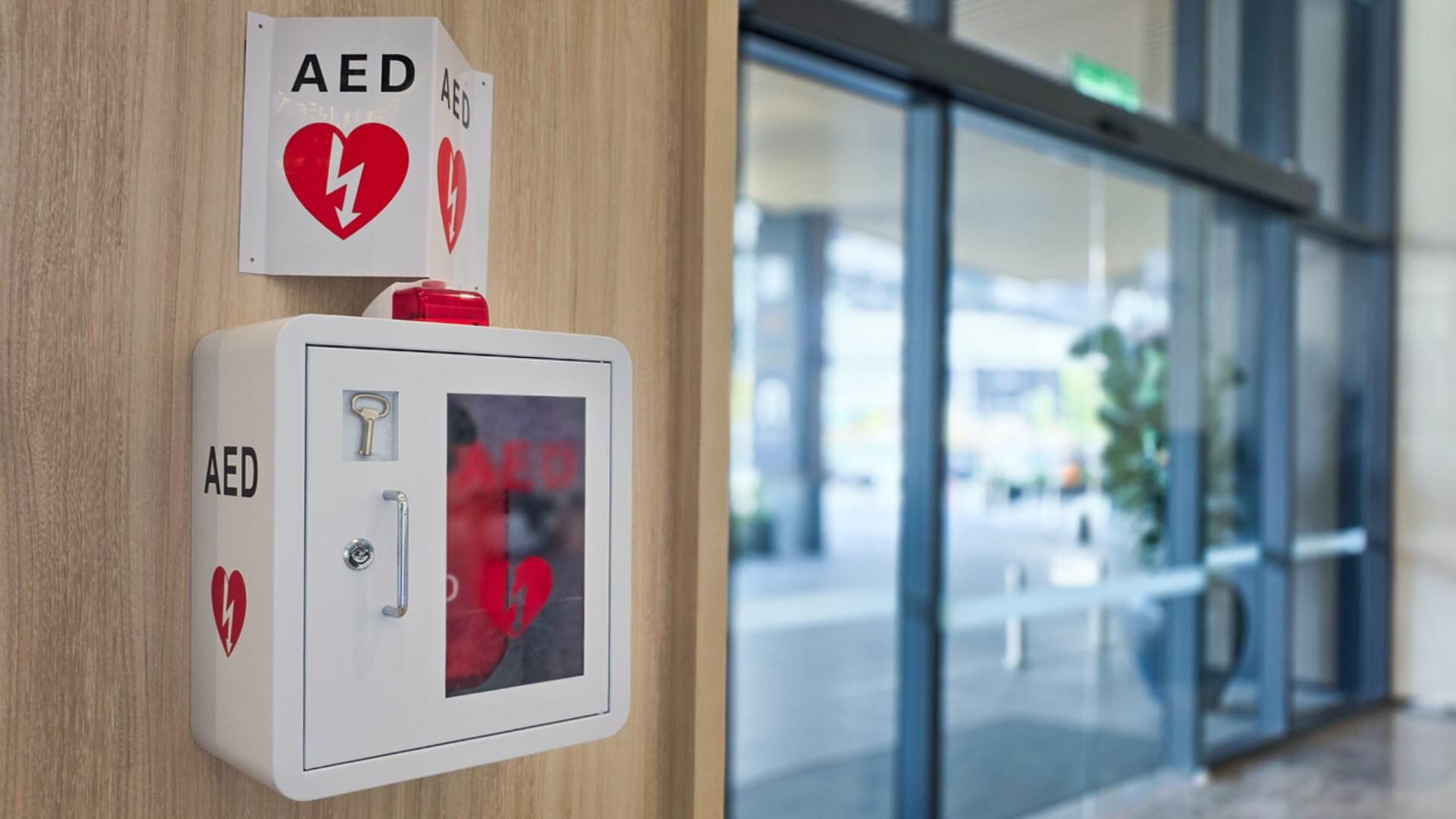
Registering your AED helps emergency responders find it quickly during a cardiac event. If someone around you calls 911, dispatchers can find your device’s location. They can then help the caller get it quickly. This only works if your AED is officially registered.
AED registration isn’t handled through one central system. Many programs exist, and cities or counties have their own rules. Check your local guidelines to ensure your device is registered correctly.
You must maintain your AED.
Regular maintenance links directly to AED registration. Most programs will alert you when pads or batteries need replacing. They also let you know about recalls or warranty updates. This helps keep your device safe, up-to-date, and ready to use.
As the owner, you must check expiration dates. Make sure the AED is always working properly. Resolve any alerts or errors quickly. Also, keep pads and batteries up to date. Skipping maintenance can put you at legal risk. If the device fails or can’t be used in an emergency, problems can arise.
RECOMMENDED
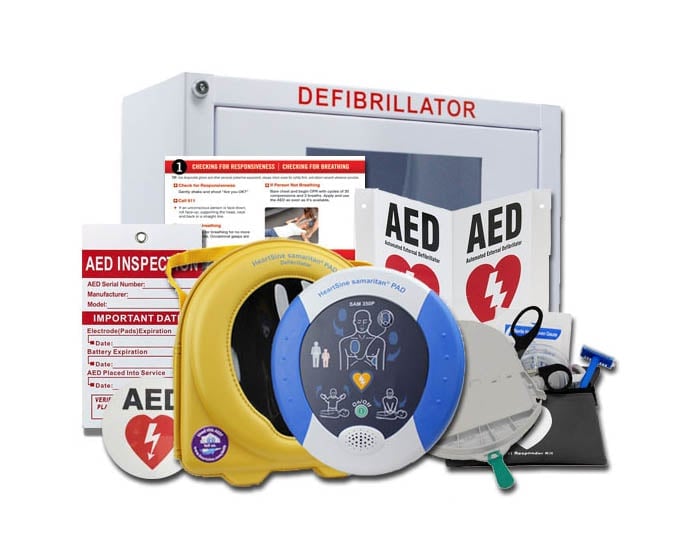
HeartSine Samaritan 350P AED Package
Compact, fully-automatic AED designed for first-time responders. Pads, battery, carry case and wall sign included.
Stay in compliance with AED program management.
A professional AED program can make tracking these requirements easier. A management service takes care of regulations and maintenance for you. This makes compliance easier and more reliable.
- The AED prescription
- The AED registration
- The physician’s oversight
- Expiration alerts and reminders
- Replacement parts and components as needed
- AED tracking
- Post-emergency assistance
- Ongoing customer support
When you buy an AED, the best first step is to join a trusted management program like AED Total Solution. These services take care of the important oversight and maintenance. This way, you don’t have to stress about meeting every rule by yourself.
Yes, you can buy an AED.
So, can anyone sell an AED? In most cases, yes. Anyone can own and manage an AED legally. Just follow the rules and keep it well-maintained. This applies to everyone, no matter their training or background.
For true readiness, keep your AED well-maintained. Place it in a visible and easy-to-reach spot. Also, pair it with basic CPR knowledge. Taking these simple steps could one day help you save a life.
FAQs
What is an AED, and how does an external defibrillator work?
An AED, or automated external defibrillator, is a portable device. It checks heart rhythm and can deliver a shock. This helps restore normal heart function during sudden cardiac arrest. Portable AEDs are made for easy use by everyone, whether trained or not.
Can anyone buy an AED, or are they only for medical professionals?
Yes, most people can legally sell an automated external defibrillator. Any home, business, or organization can own a portable AED unit. Follow local regulations and keep the device in good shape.
How much are AEDs, on average?
AED price ranges vary widely based on brand and features. A consumer or business can usually expect to pay between $1,200 and $3,000 for a good external defibrillator. Extra costs may include replacement pads, batteries, and program management.
Why do AED prices differ between models and brands?
The AED price varies based on several factors. These include battery life, ease of use, and durability. Warranty and extra features also play a role. Features like CPR coaching or real-time feedback can affect the cost too. Advanced external defibrillator models usually cost more. This is because they have better technology and longer-lasting parts.
Is an AED portable enough to carry or store it anywhere?
Yes, most modern AEDs are highly portable, lightweight, and built for quick access. Many weigh only a few pounds, making them easy to store in homes, offices, schools, or vehicles.
Do I need training to use an automated external defibrillator?
Training is recommended, but not required. AED portable devices give clear voice and visual instructions. This helps untrained users operate them well in an emergency.
Not sure which AED or training fits your needs?
An MDSI medical-oversight expert walks you through it — no obligation.
Talk to an expert →Conclusion
An automated external defibrillator (AED) is crucial for handling a cardiac emergency. AEDs have specific needs, like maintenance, registration, and doctor oversight. But the process is easier than it looks. With proper guidance, anyone can buy, manage, and use a portable AED with confidence. A reliable external defibrillator at home, work, or in your community can save lives. It makes a critical difference when every second counts. Staying informed, compliant, and prepared can help you save a life someday.