
A heart attack is one of the leading causes of death in the U.S. It’s often confused with sudden cardiac arrest. A heart attack can last anywhere from a few minutes to several hours, or even a whole day. Knowing what happens during a heart attack and spotting early signs can be vital. This article provides a clear explanation of heart attacks. It helps you spot symptoms. It also gives tips to reduce your risk before an emergency occurs.
What is a heart attack?
A heart attack happens when a part of the heart is deprived of blood flow. This stops oxygen from getting to the heart muscle. Oxygen is crucial for the heart to work well. A clogged artery usually causes this. It restricts circulation and can cause serious damage if you delay treatment.
- Stable angina. When blood vessels are partly blocked, the heart may find it hard to get enough oxygen. This can happen during strenuous activities, such as climbing several flights of stairs. Reduced blood flow can cause symptoms. This happens when the heart needs more blood than the narrowed vessels can provide.
- Unstable angina. As plaque builds up and blockages get worse, symptoms appear more often. You might notice them even during light activities. Chest pain might not happen all the time, and the heart gets enough blood when resting. Yet, damage hasn’t happened, but the risk is increasing.
- Heart attack with partial blockage. Even though the blockage isn’t total, it’s severe enough to begin harming the heart muscle.
- Full heart attack or complete blockage. A complete blockage stops all blood flow to part of the heart. This leads to ongoing pain and clear signs of a heart attack. Without quick medical care, the chances of serious harm or death are very high.
“Dr. Cookman says that almost half of heart attacks start with a deadly event. This often happens because warning signs go ignored for weeks or even months. When a full blockage happens, the heart might not get any blood. This can cause a serious problem called cardiac arrest.”
Get certified in CPR
CPR & AED Training
3-hour in-person training with a 2-year nationally recognized certification.
CPR, AED & First Aid Certification
Instructor-led on-site. Practice on real manikins and AED trainers.
What Causes a Heart Attack?
Dr. Cookman says some risk factors, like genetics, are out of our control. You can also look at other factors. These include smoking, high blood pressure, high cholesterol, diabetes, and stress. Making the right lifestyle choices is key. Spotting warning signs in men and women is crucial for early help and prevention.
Heart disease, including heart attacks, affects both men and women. Men usually show symptoms earlier in life. Yet, women have the same risk and often develop symptoms later. Dr. Cookman notes how symptoms develop and progress differently in each case.
- Onset. Heart attack symptoms often begin slowly. You might feel chest pain, shortness of breath, or discomfort in your arm. Their severity can rise and fall over time.
- Provocation. The pain usually gets worse with physical activity and often gets better with rest. This shows that exertion can trigger symptoms.
- Quality. Symptoms often feel like pressure or discomfort, not sharp pain. This makes them easier to dismiss and more likely to be ignored.
- Radiation. Heart attack symptoms can happen outside the chest. They may spread to the stomach, shoulders, arms, or jaw. This makes them harder to recognize.
- Site. Heart attack symptoms are often widespread rather than concentrated in a single spot. Many people feel a broad ache across the chest instead of a sharp pain directly over the heart.
- Time. The duration of heart attack symptoms can vary. Mild cases may last just a few minutes and improve with rest. In contrast, a severe heart attack with full blockage can last 20 minutes or longer.
What is a widowmaker?
A “widow-maker” is a serious heart attack. It happens when there is a big blockage in the left anterior descending (LAD) artery. This artery sends blood to a large area of the heart, so the blockage can be fatal. When this artery gets blocked, blood flow falls quickly. This can cause a serious heart attack. Quick medical care is critical if symptoms like chest pain, shortness of breath, or pain in the arm or jaw appear.
When it’s not sudden cardiac arrest.
A heart attack and sudden cardiac arrest are not the same. They have different causes, even though people often mix them up. It’s easy to get confused since both affect the heart and need quick medical help.
According to the CDC, roughly 805,000 heart attacks occur in the U.S. each year. When one strikes, there’s usually a 30-minute window before serious, lasting damage sets in. Spotting the signs early can mean the difference between life and death—even your own.
Identifying the Warning Signs of a Heart Attack
A heart attack usually happens because of plaque in the coronary arteries. This buildup can block blood flow or slow it down a lot. Without enough oxygen-rich blood, parts of the heart muscle begin to die.
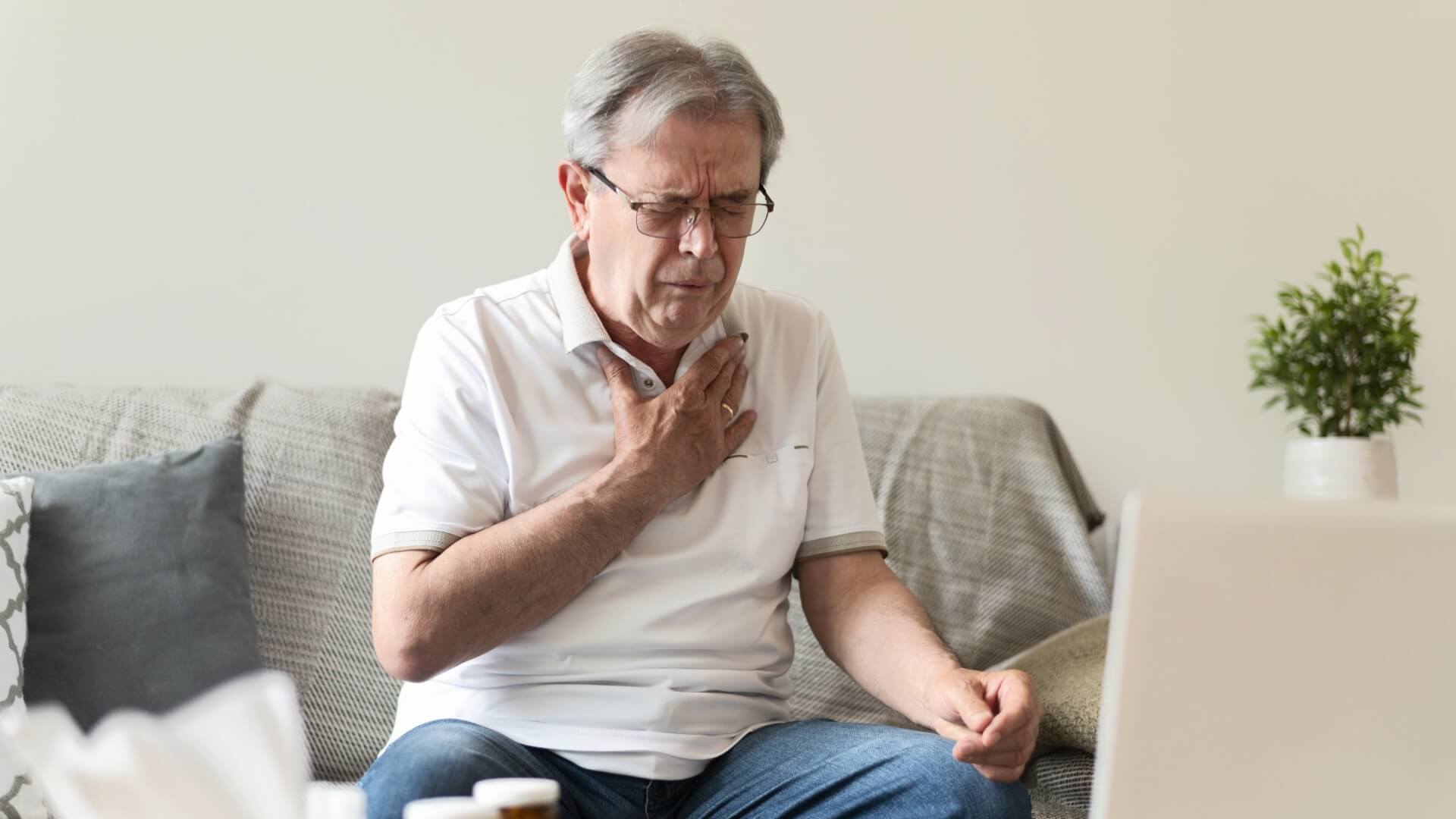
Recognizing heart attack symptoms early is key to getting timely medical help. Chest discomfort is the most common sign. It often feels like pressure, fullness, or pain. This feeling can last for minutes or come and go. This sensation can also spread to areas like the arms, neck, jaw, back, or stomach.
Silent heart attacks can go unnoticed. Their symptoms are usually mild. They can feel like common issues, such as fatigue, indigestion, or muscle aches. Men usually experience these issues more often than women. This makes early detection more difficult.
If you suspect a heart attack, call 911 immediately. Some symptoms can be mild, so people might not realize the risk. They may try to drive themselves. This is very risky. Always seek emergency care right away, and never drive yourself.
Symptoms in Men vs. Women
Heart attack symptoms vary between men and women. Yet, most research focuses on middle-aged men. Men often show the well-known “classic” signs of heart issues. These include chest pain or pressure that can spread to the arms, neck, or jaw.
Women may have different heart attack signs. Common symptoms include fatigue, nausea, back or jaw pain, and shortness of breath. These signs are subtle and not always connected to heart problems. So, it’s easy to miss them. This can delay care and raise health risks.
RECOMMENDED
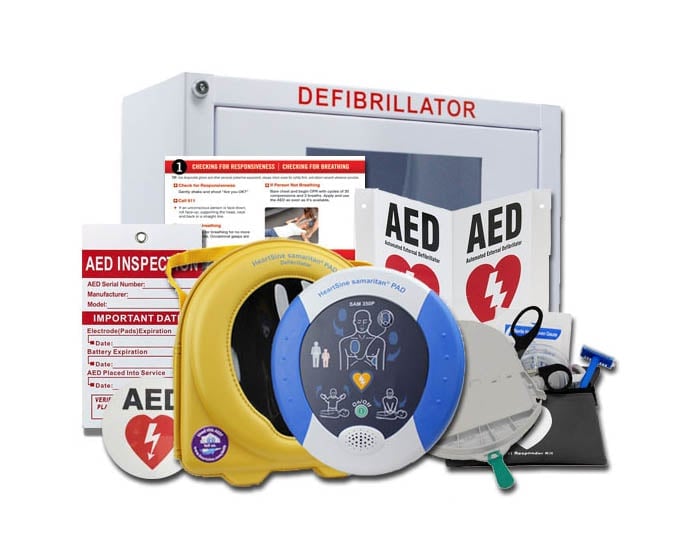
HeartSine Samaritan 350P AED Package
Compact, fully-automatic AED designed for first-time responders. Pads, battery, carry case and wall sign included.
How long does a Heart Attack Last?
Some heart attacks occur unexpectedly, presenting intense symptoms. But most start slowly with mild discomfort. These signs can worsen over hours or even days before the attack occurs. The duration often depends on the underlying cause and how severe the blockage is.
The longer heart attack symptoms go untreated, the more damage can occur. That’s why it’s vital to get emergency care at the first sign of trouble. Chest pain can be confused with anxiety, digestion issues, or muscle strain. But it’s always better to seek help early. Delaying could lead to serious harm.
Heart attack recovery varies from person to person. Some people may feel ready to return to daily life in weeks. Some people, especially those who are active, may need months to regain their strength.
Know Your Risks
Understanding your heart attack risk is the first step to prevention. It helps protect your long-term health.
Coronary heart disease causes most heart attacks. It is the main reason for death in the U.S. This affects people of all races and ethnicities. It is the leading cause of death for Black, White, American Indian, and Alaska Native people. For Asian Americans, Pacific Islanders, and Latinx communities, it ranks second. Cancer is the only cause that comes before it.
Some health conditions can increase the risk of a heart attack, no matter the ethnicity:
- Diabetes
- High blood pressure
- High cholesterol
- HIV
Lifestyle choices are important in the risk of developing coronary heart disease:
- Smoking and vaping
- Unhealthy eating habits
- Drinking too much alcohol
- Obesity
- Lack of exercise
- Age
How to Prevent Heart Attacks
Knowing your risk is the first step to prevention. Also, adopting a healthier lifestyle is the best way to lower your chances of a heart attack. Stay active. Don’t smoke. Drink less alcohol. Eat a balanced diet.
Take care of your health and visit your doctor often. This can help reduce your risk of a heart attack.
What to do if you or someone else is having a heart attack.
Dr. Cookman urges anyone with possible heart attack symptoms to call 911 right away. Ignoring warning signs can be dangerous. It’s safer to let a doctor check it out than to take the risk.
If someone around you shows signs of a heart attack, the most important first step is to call 911 without delay.
Dr. Cookman emphasizes that getting medical help immediately should be your top priority. While waiting for the ambulance, giving the person aspirin can help. If they have had heart issues before, nitroglycerin may be suitable with aspirin.
Even if the symptoms feel mild, never attempt to drive yourself to the hospital during a heart attack.
What Happens After a Heart Attack?
Heart attack treatment usually includes a coronary procedure. A cardiologist accesses the heart through an artery in the wrist or leg. They find the blockage and place a stent to restore blood flow. Medication can prevent future clogs. Yet, if doctors find many blockages, they might need to perform open-heart surgery.
FAQs
At what time do most heart attacks happen?
Most heart attacks tend to occur in the early morning hours, especially between 6 a.m. and noon. Blood pressure and heart rate rise during this time. This adds stress to the heart and increases the risk of a blockage.
Can heart attack symptoms last for days?
Yes, heart attack symptoms can build up slowly. They may last for several days, especially in milder cases. Some people feel chest pain, tiredness, or shortness of breath before a heart attack. These feelings can come and go. It’s crucial not to ignore these warning signs.
Does a heart attack last for days?
While the heart attack event itself may not last for days, symptoms leading up to it can. The attack often peaks in 30 minutes to a few hours. If left untreated, symptoms can last or get worse over several days. This can raise the risk of lasting heart damage.
What should I do if I’m having a heart attack?
Call 911 immediately. Never drive yourself, even if symptoms seem mild. Taking aspirin while waiting for help may be helpful. If your doctor prescribed nitroglycerin for heart issues, take it as directed.
How is a heart attack treated?
Treatment usually includes a coronary intervention. A cardiologist places a stent through an artery in the wrist or leg. This helps open the blockage. In serious cases with many blockages, doctors might have to do open-heart surgery. Medications are also prescribed to reduce the risk of future events.

Not sure which AED or training fits your needs?
An MDSI medical-oversight expert walks you through it — no obligation.
Talk to an expert →Conclusion
Spotting heart attack warning signs and acting fast can save your life or a loved one’s. Listen to your body. Regardless of whether symptoms appear all at once or evolve over time, don’t ignore them. A heart attack isn’t always dramatic. It can feel like pressure, fatigue, or ongoing discomfort. Know your risk factors. Make heart-healthy choices. Seek medical help right away if symptoms appear. These steps can help prevent serious damage. When it comes to your heart, acting fast is always the right decision.