
The recent increase in heart-related deaths among bodybuilders has surprised many. This is surprising. These athletes are usually young and active. They also follow strict training routines. Many fit individuals have had fatal heart attacks recently. This raises concerns about what is going on behind extreme fitness.
Competitive bodybuilding involves risks that go beyond its impressive appearance. Intense training and extreme dieting can put a lot of strain on the body. This raises the risk of heart attacks. It also makes you more vulnerable to heart disease, kidney damage, and liver problems.
If you love bodybuilding, whether you train hard or enjoy it, know the risks. Protecting your health is key. Enjoy the benefits of a healthy lifestyle. This can help you avoid becoming a preventable statistic.
5 Reasons Why Bodybuilders Have Heart Attacks
Several key factors increase the risk of heart attacks in competitive bodybuilders. Each factor adds to the strain caused by the others. Knowing these risks and how to limit them can lower the chance of preventable deaths in the sport.
01: Extreme amounts of muscle mass
Building muscle can help your heart. Strength training boosts nitric oxide. This helps arteries relax and improves blood flow. Regular weightlifting can reduce the risk of heart attacks and strokes, research shows.
When someone pushes their muscle growth beyond natural limits, it puts a lot of strain on the heart. This increases pressure on the cardiovascular system in several ways.
- Muscle tissue has more capillaries than fat. So, having too much muscle makes the heart work harder to pump blood. When the heart has to support double or triple the normal body weight, it faces a problem. This is especially true if that weight is dense muscle. The demand exceeds what the heart can handle. Over time, this imbalance can overwhelm the system and lead to serious failure.
- To build big muscles for bodybuilding, you often need performance-enhancing drugs. But these drugs can have serious side effects. Many of them put a lot of stress on the heart. This creates risks that increase over time.
02: Performance-Enhancing Drugs
In professional bodybuilding, many competitors use performance-enhancing drugs. They do this to gain the size needed to shine on stage. The International Fitness and Bodybuilding Federation officially bans PEDs. Yet, enforcement is inconsistent, and judges often reward extreme muscularity. This “bigger is better” idea drives athletes to continue using drugs to win top titles.
Anabolic Steroids
Anabolic steroids quickly increase muscle size and strength. Yet, they put a lot of strain on the heart, which can lead to serious risks over time.
- Anabolic steroids interfere with the body’s natural production of nitric oxide. This compound relaxes blood vessels and helps maintain healthy blood flow during exercise. When nitric oxide levels fall, arteries stiffen and plaque builds up. This raises the risk of heart issues.
- Anabolic steroids boost specific chemicals in the body. These act like stimulants and cause blood vessels to narrow. This narrowing makes it tough for blood to flow normally. It also puts extra strain on the heart and blood vessels.
- Anabolic steroids can increase mineralocorticoid levels. This leads to fluid retention and higher blood pressure. Long-term steroid use can lead to serious health issues. As the strain builds, it can harm many organs and cause major complications.
- Fluid retention
- Kidney damage
- Liver damage
- Alterations to blood cholesterol levels
- High blood pressure
- Enlarged heart muscle
- Cardiomyopathies
- Coagulation disorders
- Elevated risk of blood clots
- Elevated risk of heart attack and stroke
- Elevated risk of fatal arrhythmias that lead to sudden cardiac arrest
Human Growth Hormone
Many competitive bodybuilders use human growth hormone with steroids to boost muscle gain. Yet, this mix has serious downsides. Human growth hormone can raise the risk of serious health problems. This adds more strain to a body that is already under stress.
- Carpal tunnel syndrome
- Elevated insulin resistance
- Type-2 diabetes (a risk factor for heart attack and cardiac arrest)
- Edema (swelling in the arms and legs)
- Enlarged breast tissue in men
- Pain in the joints and muscles
- Increased risk of some forms of cancer
Insulin
Some bodybuilders take insulin to keep muscles and boost performance. But if they dose incorrectly or don’t match it with carbs, their blood sugar can drop sharply. Low levels can be life-threatening. Severe hypoglycemia may cause unconsciousness or death.
Diuretics
Many bodybuilders use diuretics before competitions. They help shed water weight and create a sharper, more defined look. Too much fluid loss can upset the body’s electrolyte balance. This may lead to serious complications.
- Severe dehydration
- Kidney failure
- Electrolyte imbalances
- Heart arrhythmias (and cardiac arrest)
- Sudden death
03: Dehydration
When the body is dehydrated, blood thickens and can clot more easily. This is especially true in the early morning when blood viscosity is higher. For bodybuilders, dehydration is a big worry. This is because their intense training and competition prep can be extreme.
- Many bodybuilders use diuretics to quickly remove extra water before competitions. This makes their dehydrated state even more intense.
- Some men who use human growth hormone may get an enlarged prostate. This can lead to frequent nighttime urination. To avoid sleep disruptions, they might limit fluids before bed. This can help prevent dehydration. High red blood cell levels increase the risk of clotting and heart attacks. This can turn a peaceful night’s sleep into a risky scenario.
04: Improper Diet
Many think bodybuilders eat clean, nutrient-rich meals all the time, but that’s not true. During bulking phases, many people eat high-calorie foods. These often include fast food and sweets, which are low in nutrients. This habit can seriously harm long-term heart health.
05: Lack of Medical Supervision
Many bodybuilders use performance-enhancing drugs. They often have poor diets and push dehydration too far. This happens without any medical advice. Without professional monitoring, early signs of trouble often slip by unnoticed. This can lead to a heart attack or sudden collapse, which may be the first sign that something is very wrong.
Get certified in CPR
CPR & AED Training
3-hour in-person training with a 2-year nationally recognized certification.
CPR, AED & First Aid Certification
Instructor-led on-site. Practice on real manikins and AED trainers.
Safe weight training is possible.
Strength training can really help heart health. When done responsibly and combined with good habits, it is very beneficial. The CDC recommends that adults do two resistance-training sessions each week. Along with regular aerobic exercise, this balanced approach helps support long-term heart health.
If you’re thinking about bodybuilding, focus on safe practices. This helps protect your health and lowers the risk of serious problems.
- Stay hydrated and respond to all signs of thirst.
- Balance weight training with aerobic exercise.
- Monitor your blood pressure regularly.
- Make sure to get a full medical evaluation each year. This includes blood tests. If you use performance-enhancing substances, do it more often. Monitoring markers such as red blood cell levels and cholesterol is key. Liver and kidney function checks are also important. They help spot issues early and protect your long-term health.
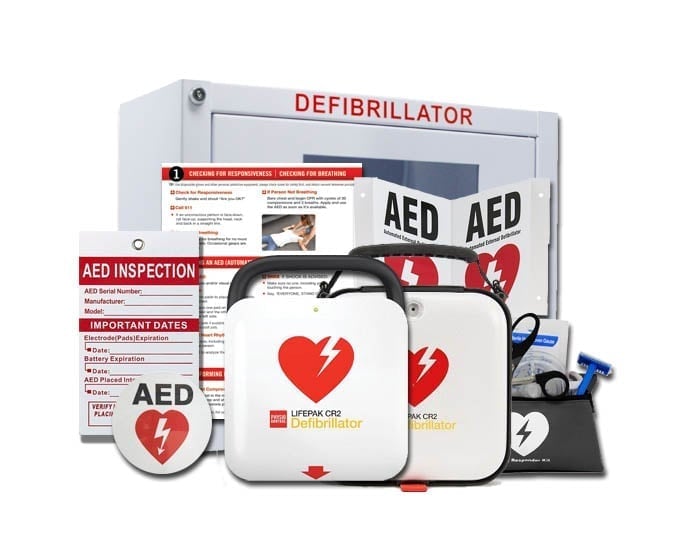
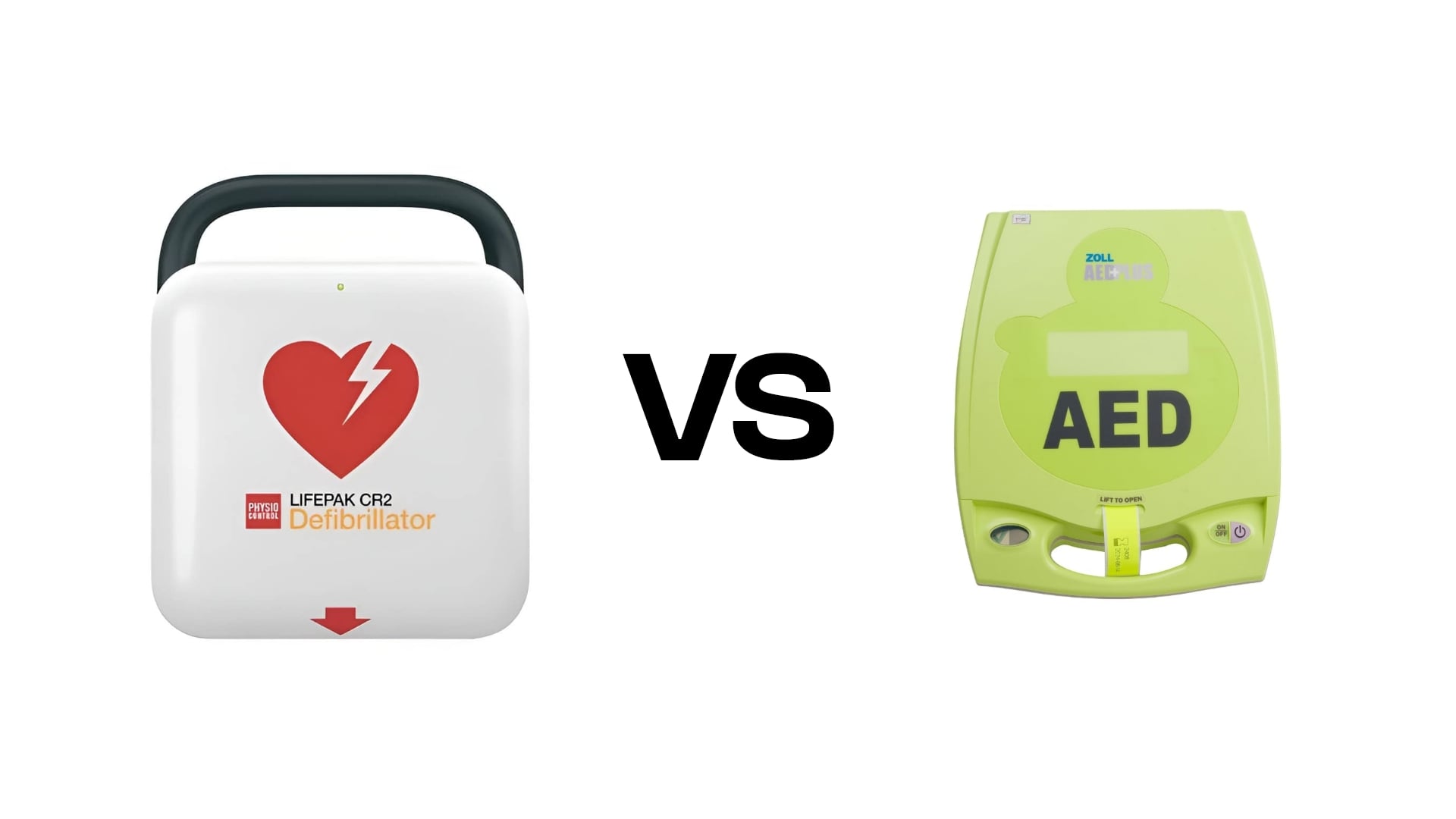
- Keep an automated external defibrillator (AED) nearby at home and in the gym. This ensures you have quick access to help in case of an emergency.
Most importantly, listen to your body and take any warning signs seriously. Putting your health first could mean skipping a competition or selecting a less intense division. Making this choice early can help keep you safe in the long run.
RECOMMENDED
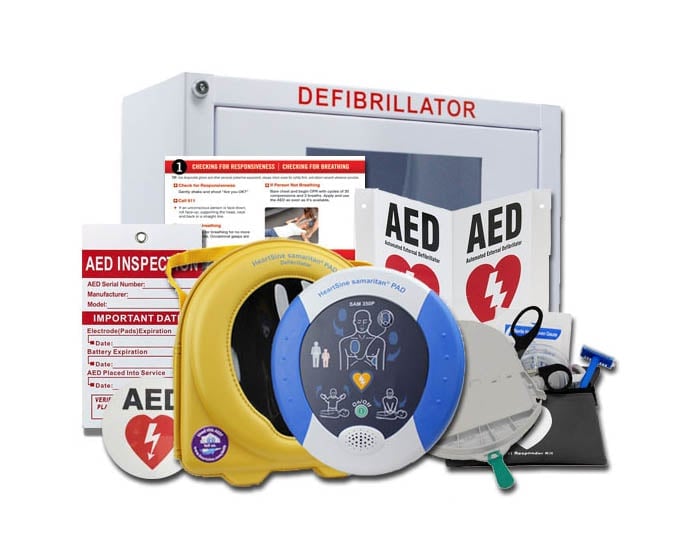
HeartSine Samaritan 350P AED Package
Compact, fully-automatic AED designed for first-time responders. Pads, battery, carry case and wall sign included.
FAQs
Why do some bodybuilders suffer heart attacks at a young age?
Young bodybuilders may have heart problems. Extreme muscle growth, dehydration, poor diets, and performance-enhancing drugs can stress the heart. These pressures can weaken the heart over time. This makes sudden cardiac events more likely.
Do performance-enhancing drugs really increase the risk of heart problems?
Yes. Steroids, human growth hormone, insulin misuse, and diuretics can all harm your body. They disrupt blood pressure, fluid balance, arterial health, and heart function. These substances raise the likelihood of heart attacks, strokes, and long-term organ damage.
Can excessive muscle mass itself harm the heart?
Building a lot of muscle makes the heart work harder. This is because muscle tissue needs extra oxygen and blood flow. When the heart has to support a heavy body mass, it can struggle. This imbalance between what it must do and what it can handle may lead to heart failure.
Are steroids harmful even if taken carefully?
Anabolic steroids, even when used carefully, can mess with hormone function. They lower nitric oxide levels, narrow blood vessels, and increase fluid retention. These effects can raise blood pressure. They can also stiffen arteries and increase the risk of heart attacks.
Why do bodybuilders use diuretics, and why are they dangerous?
Diuretics are used to shed water for a sharper, stage-ready look. Losing too much fluid thickens the blood. This disrupts electrolytes. It raises the risk of clots, organ stress, and heart problems.
How does dehydration impact a bodybuilder’s cardiovascular health?
Dehydration thickens the blood and increases clotting risk, especially overnight. High red blood cell levels from PED use can trigger serious events, such as strokes or heart attacks.

Not sure which AED or training fits your needs?
An MDSI medical-oversight expert walks you through it — no obligation.
Talk to an expert →Conclusion
Bodybuilding can be empowering and rewarding. Yet, it becomes risky when pushed too far beyond health and balance. Heart-related deaths in athletes show that intense training, drug use, dehydration, and poor diets can weaken their health. You can bodybuild safely by using safer methods. Check your health often and listen to your body’s signals. This way, you can reap the benefits without causing long-term harm. At the end of the day, no trophy or title is worth more than protecting your heart, your well-being, and your future.