Life-saving protection for high-risk work environments
Construction sites involve hard work, heavy machinery, and tough conditions. This mix raises the risk of serious medical emergencies, like sudden cardiac arrest. Automated external defibrillators are crucial for keeping workers safe on active job sites.
Emergency response on construction sites can be slow. This often happens because of remote locations or limited access. So, quick action is vital during a cardiac event. Having an AED on-site helps start life-saving care quickly. This can greatly improve survival chances. It also supports safety practices that meet OSHA standards, which are now common in the industry.
Why AEDs for construction sites
Sudden cardiac arrest can strike anyone at any time, regardless of age or fitness level. Harsh conditions and physical strain in construction sites make having an AED crucial for safety.
- High physical exertion & heat stress – Construction work is physically demanding. Long hours and extreme temperatures add stress to the heart and blood vessels.
- Electrical hazards & shock exposure – Electrical equipment and live wires can upset the heart's rhythm. This can lead to a serious and even deadly emergency.
- Remote & hard-to-reach worksites – Many construction sites are in isolated areas, delaying emergency medical services (EMS) arrival.
- Falls & trauma-related cardiac arrest – Severe injuries from falls, impact, or head trauma can lead to sudden cardiac arrest.
- Aging workforce – Many construction workers are over 50, increasing the risk of heart disease and SCA.
- OSHA safety compliance – Employers may be required to provide AEDs to meet workplace safety regulations.
Putting AEDs in easy-to-reach spots helps respond quickly during heart emergencies. This can greatly boost survival rates on construction sites.
Choosing the right AED for construction sites
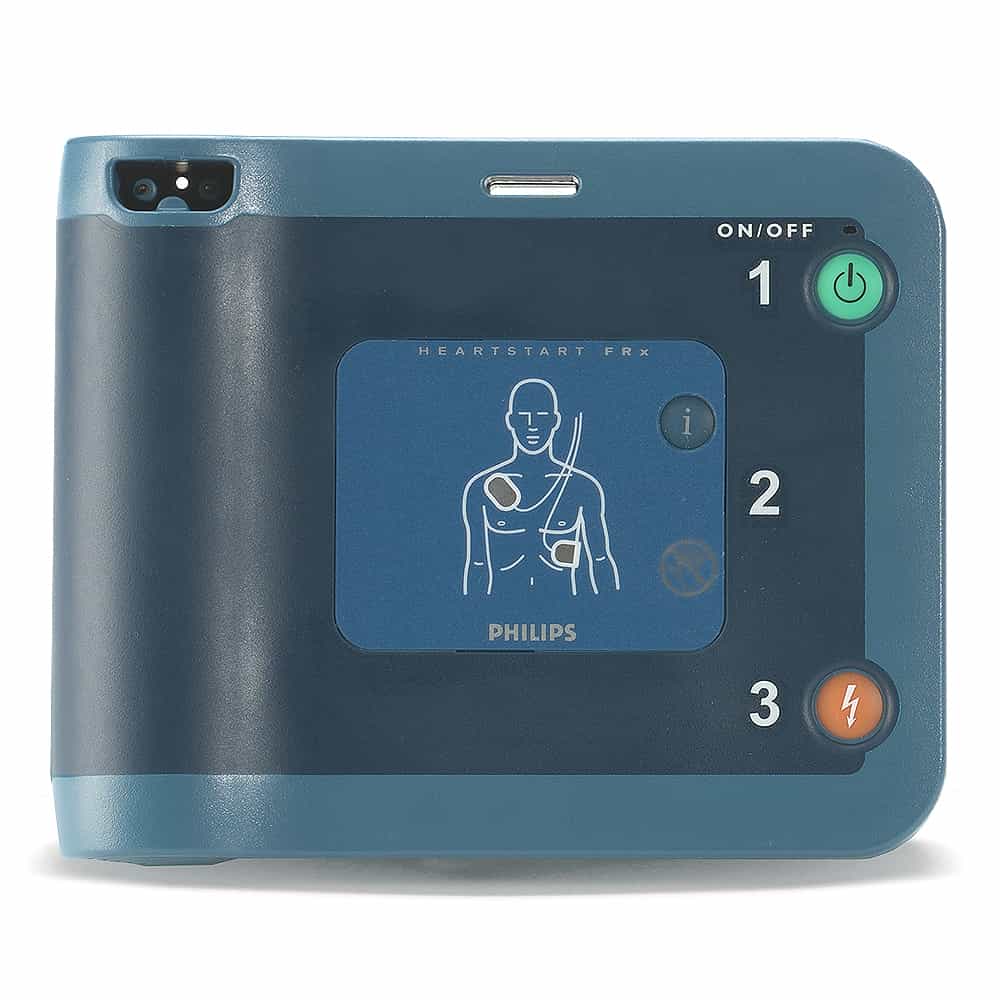
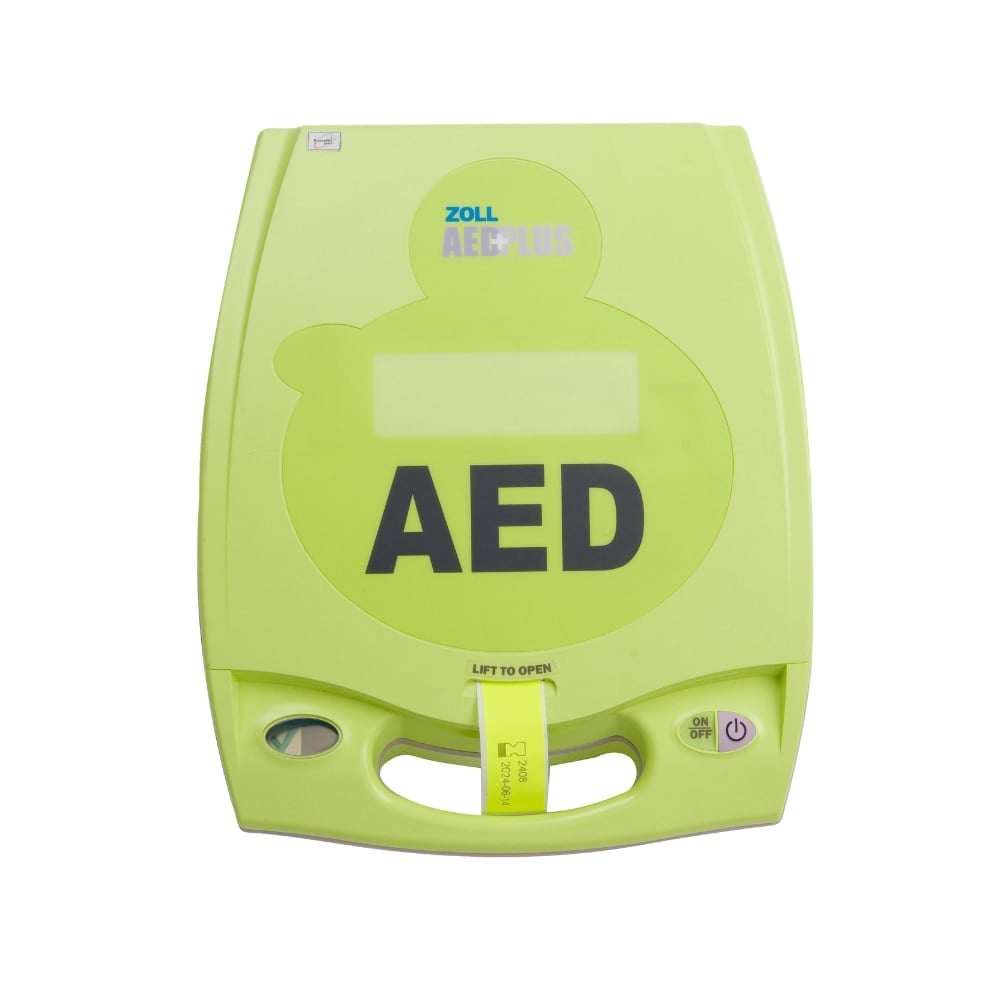
Defibrillators for construction sites need to handle tough conditions. They must also be portable and easy to use when under pressure. Selecting the right AED ensures dependable performance when every second truly matters.
- Rugged & weather-resistant design – Dust-proof, water-resistant, and impact-resistant AEDs ensure durability in tough environments.
- Portable & Lightweight – Compact AEDs can be stored in construction trailers, safety stations, or toolboxes.
- User-Friendly Operation – Devices with clear voice prompts and automatic shock delivery make them easy for non-medical personnel to use.
- Long Battery Life & Self-Testing – AEDs with self-check features ensure readiness with minimal maintenance.
- Pediatric mode or pads – For sites where young apprentices or visitors may be present, pediatric AED capabilities are crucial.
Enhancing construction site safety with AEDs
Safety is a top priority on construction sites. On-site AEDs are vital for protecting workers. These devices lower risk and help teams act fast when every second matters. When paired with CPR and emergency response training, they also support compliance.
Explore more AED solutions
Looking for AEDs for other high-risk workplaces? Check out: