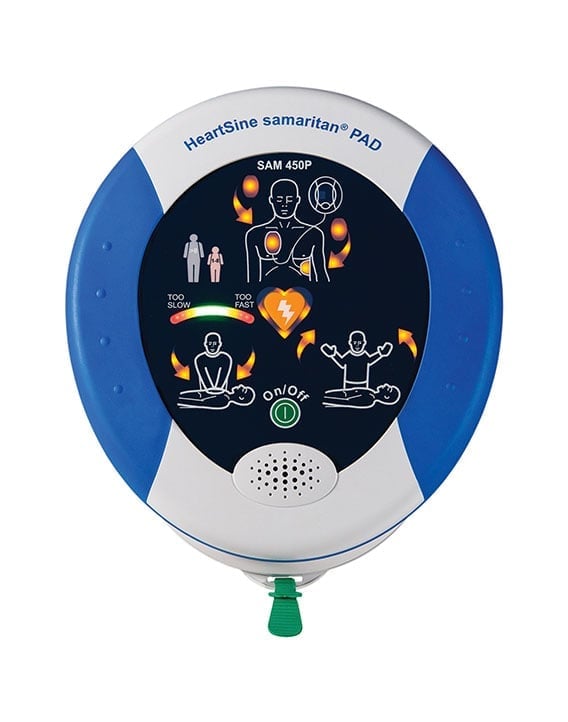
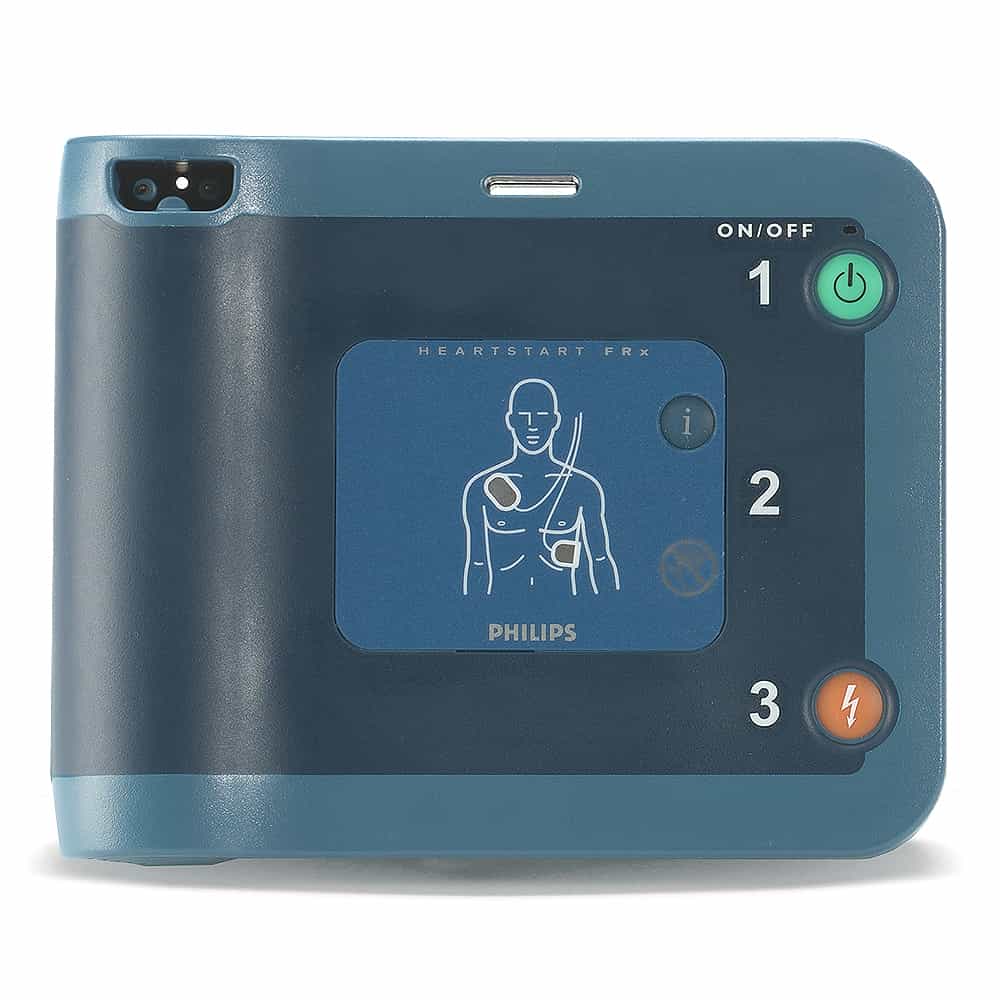
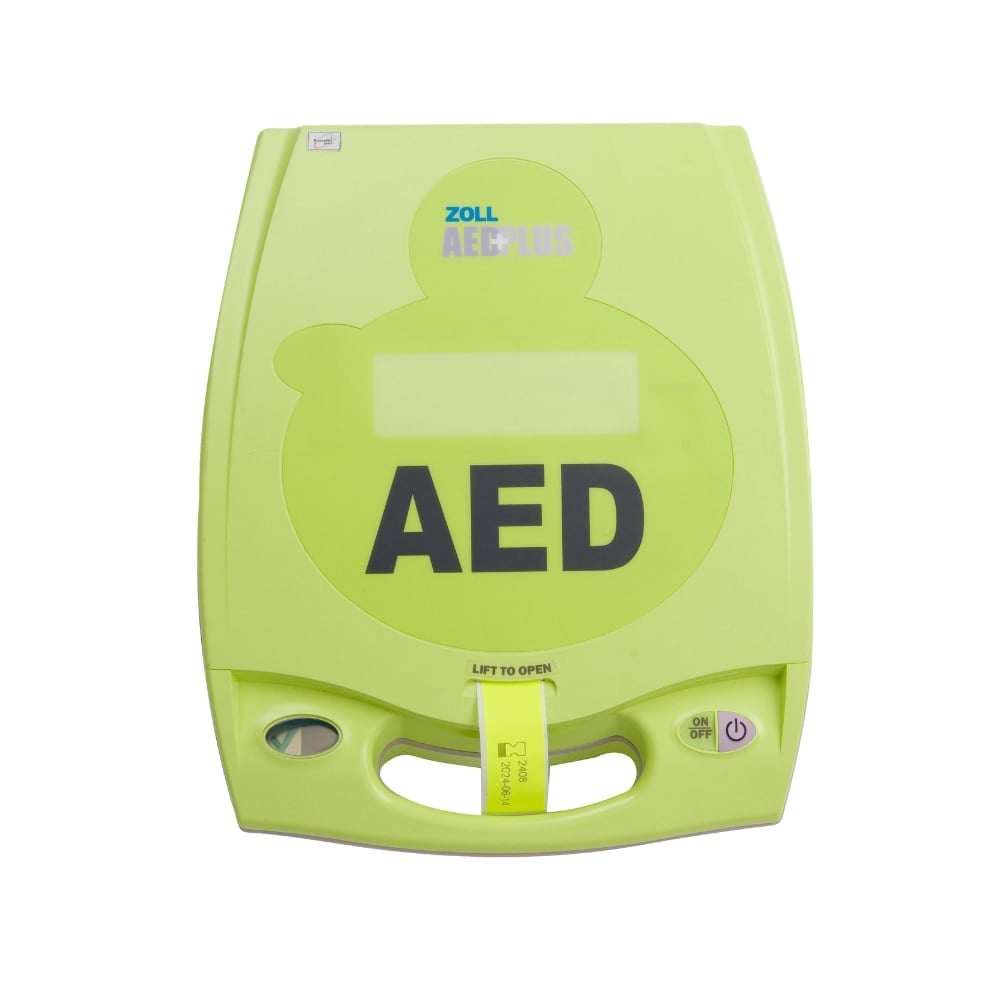
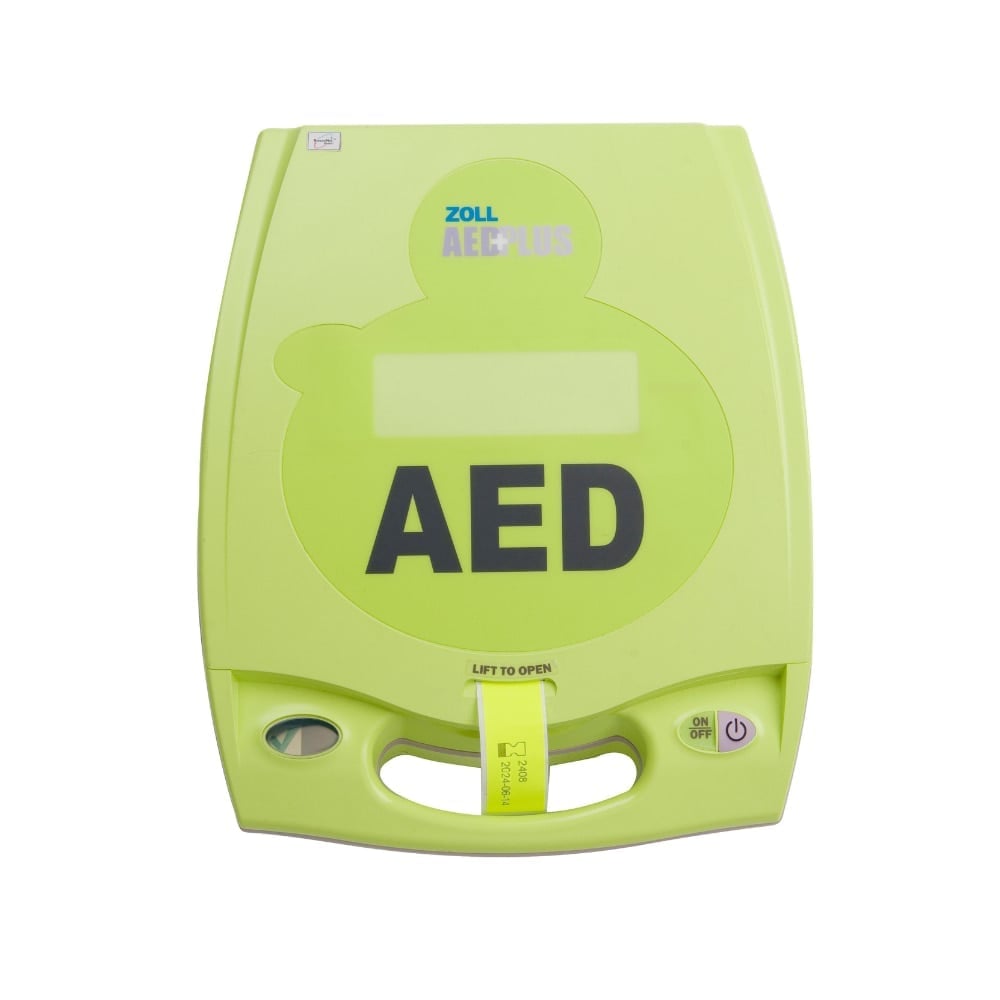
Airports are always busy and stressful. Many travelers and staff move through them daily. These conditions raise the risk of medical emergencies, like sudden cardiac arrest. That's why nearby automated external defibrillators are crucial. They help trained responders provide life-saving care before emergency teams get there.
Airports cater to everyone, from children to seniors, including those at higher risk for heart issues. In emergencies, quick access to automated external defibrillators saves time. This boosts survival rates and makes it safer for passengers and staff.
Why AEDs are critical for airports
Sudden cardiac arrest can happen suddenly. It needs quick action to survive. In busy airports, automated external defibrillators are vital for quick, life-saving help.
- High volume of travelers – Airports see many travelers passing through terminals, security, and boarding gates. This constant movement raises the chances of cardiac emergencies happening at any moment.
- Elderly & high-risk passengers – Many air travelers are older adults or people with heart conditions. Long trips can cause physical strain and stress. This raises the risk of medical emergencies.
- Long walking distances & Delayed EMS Response – Airports cover large, multi-level areas. So, emergency medical teams may take longer to reach someone in distress. This makes a quick on-site response very important.
- Travel-Related stress & fatigue – Jet lag, dehydration, altitude changes, and travel anxiety can increase the risk of cardiac events.
- Workplace Safety for Airport Staff – Airline crews and ground staff often work long hours in stressful situations. This mix can increase the risk of heart-related medical issues.
Putting automated external defibrillators in key airport spots helps cut emergency response times. This also lowers life-threatening delays and boosts survival chances.
Choosing the right AED for airports
In airports, defibrillators should be easy to see and reach in busy areas. Choosing the right device helps you use it quickly and effectively when time is tight.
- Highly visible – AEDs should be installed in well-marked areas where passengers and staff can quickly locate them.
- Simple voice & visual instructions – Devices with clear, step-by-step guidance allow bystanders and airport employees to act fast.
- Portable for large airport facilities – Mobile AEDs can be carried by security teams, airline staff, and medical responders to reach victims faster.
- Long battery life & self-testing features – AEDs with automatic self-checks ensure they are always operational with minimal maintenance.
- Pediatric compatibility – Airports serve families with children, so pediatric pads or a child-mode setting should be available.
Explore more AED solutions
Looking for AEDs for other high-traffic environments? Check out: